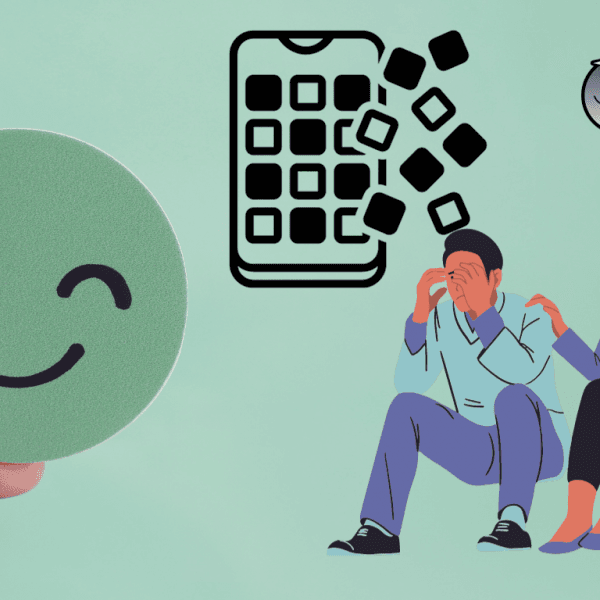

In today’s world, we often find ourselves caught in a strange contradiction. On one hand, we are bombarded with images and stories of seemingly perfect lives—people who appear to have it all: the dream job, the ideal partner, and a picture-perfect family. Yet, beneath this glossy surface, many individuals grapple with profound sadness and discontent. This paradox raises an intriguing question: how can someone who seems to have everything still feel so empty? It’s a reality that many face, and it can be quite perplexing.
This disconnect between external appearances and internal feelings may suggest that our understanding of happiness is flawed. We might think that achieving certain milestones — like a big birthday — or acquiring specific possessions will lead to fulfillment. However, the truth is often more complicated. The pressure to maintain a façade of perfection can lead to feelings of isolation and despair. It’s as if we’re all actors in a play, performing our roles flawlessly while hiding our true emotions behind a mask. This phenomenon is not just a personal struggle; it reflects a broader societal issue that warrants deeper exploration.
In exploring the complexities of emotional experiences, the article “According to Psychology, Feeling Sad When Life Looks Perfect from the Outside Has a Name and a Real Explanation” delves into the phenomenon of perceived happiness versus actual emotional states. This topic resonates with the insights shared in another intriguing piece, which discusses the importance of goal setting in sports and how it can influence mental well-being. For a deeper understanding of how achieving goals can impact emotional health, you can read more in this related article on the power of goal setting in sports here.
Understanding the “Smiling Depression” Phenomenon
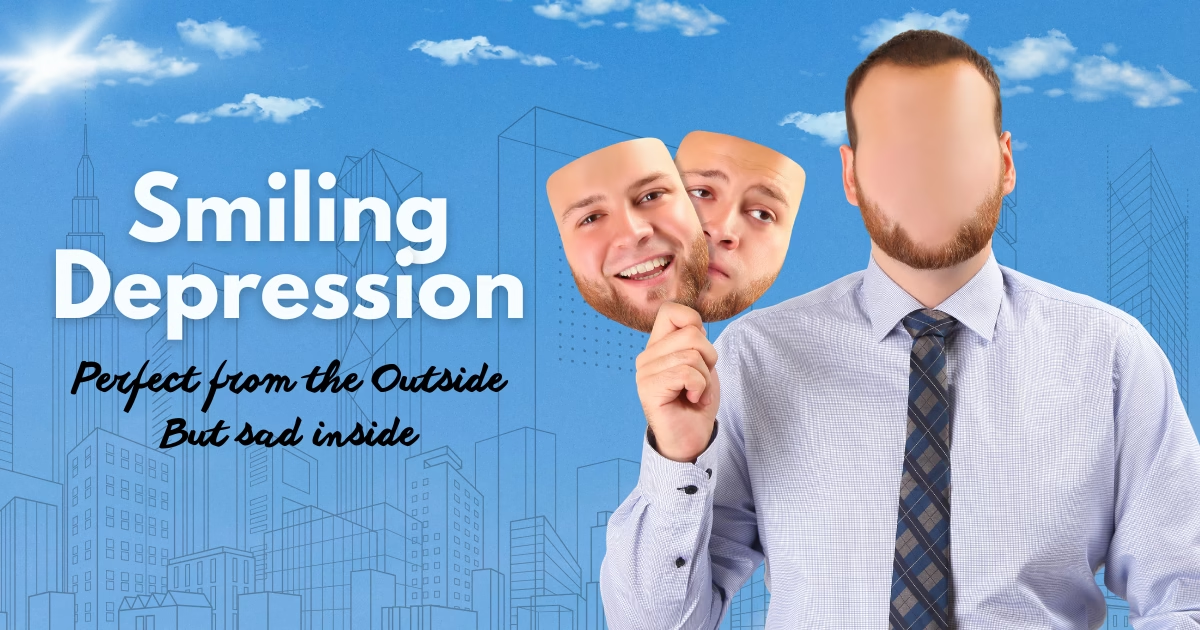
“Smiling depression” is a term that captures this unsettling reality. It refers to individuals who appear cheerful and content on the outside but are battling significant emotional pain internally. This condition can be particularly insidious because it often goes unnoticed by friends, family, and even the individuals themselves. They may feel compelled to put on a brave face, believing that showing vulnerability is a sign of weakness. This creates a cycle where the person feels increasingly isolated, as their true feelings remain hidden.
The concept of smiling depression may resonate with many people. Perhaps you’ve experienced moments where you felt like you had to smile through the pain, convincing others—and maybe even yourself—that everything was fine. It’s a coping mechanism that can provide temporary relief but ultimately leads to deeper issues if left unaddressed. Understanding this phenomenon is crucial for recognizing that outward appearances do not always reflect inner realities. It encourages us to look beyond the surface and consider the emotional struggles that may lie beneath.
The Role of Social Media in Perpetuating the Perfect Life Myth

Social media plays a significant role in shaping our perceptions of what a perfect life looks like. Platforms like Instagram and Facebook are filled with curated images that showcase the highlights of people’s lives—exotic vacations, lavish parties, and happy family moments. While these snapshots can be enjoyable to view, they often create unrealistic standards for happiness and success. The constant comparison can lead to feelings of inadequacy and self-doubt, as we measure our lives against these idealized portrayals.
It’s important to recognize that social media often presents a distorted reality. Many users selectively share only their best moments, leaving out the struggles and challenges they face — including the quiet sense of feeling lost that so many hide behind a filtered life. This can create an illusion that everyone else is living a flawless life while we are stuck in our own imperfections. The pressure to keep up with these unrealistic expectations can exacerbate feelings of sadness and anxiety, contributing to the phenomenon of smiling depression. It’s essential to approach social media with a critical eye and remember that what we see is often just a highlight reel, not the full story.
The Impact of Unrealistic Expectations on Mental Health

Unrealistic expectations can have a profound impact on mental health. When we set unattainable goals for ourselves—whether in our careers, relationships, or personal achievements—we may find ourselves feeling perpetually dissatisfied. This dissatisfaction can lead to a cycle of negative self-talk and self-criticism, which can further exacerbate feelings of sadness or anxiety. It’s as if we’re constantly chasing an elusive ideal that seems just out of reach.
Moreover, these expectations are often reinforced by societal norms and cultural messages that equate success with happiness. We may feel pressured to conform to these ideals, leading us to ignore our own needs and desires in favor of what we think we should be doing. This disconnect can create a sense of emptiness, as we pursue goals that don’t align with our true selves. Recognizing the impact of these unrealistic expectations is crucial for fostering a healthier relationship with ourselves and our mental well-being.
In exploring the complexities of emotional well-being, the article “According to Psychology, Feeling Sad When Life Looks Perfect from the Outside Has a Name and a Real Explanation” sheds light on the phenomenon of perceived happiness versus internal struggles. This topic is further elaborated in another insightful piece that discusses how comfort can sometimes hinder emotional growth in children. You can read more about this in the article on signs that comfort might be stifling your child’s emotional development, which provides valuable insights into the nuances of emotional health. For more information, visit this link.
How Suppressed Emotions Can Lead to “Smiling Depression”
Suppressed emotions play a significant role in the development of smiling depression. When we bottle up our feelings—whether due to fear of judgment or societal expectations—we may inadvertently create an emotional barrier that prevents us from experiencing genuine joy or connection with others. This suppression can manifest in various ways — particularly in men, where it often hides as irritability and mood swings, to feelings of numbness or detachment.
It’s not uncommon for individuals to feel overwhelmed by their emotions yet choose to hide them behind a smile. This behavior may stem from a desire to maintain social harmony or avoid burdening others with our problems. However, this approach can be counterproductive; by not addressing our emotions, we risk allowing them to fester beneath the surface. Over time, this emotional buildup can lead to more severe mental health issues, including anxiety and depression. Acknowledging and expressing our feelings is essential for breaking this cycle and fostering emotional well-being.
The Importance of Seeking Help and Support
Seeking help is often seen as a sign of strength rather than weakness, yet many people still hesitate to reach out for support when they need it most. This reluctance can stem from various factors, including fear of stigma or the belief that they should be able to handle their problems independently. However, it’s crucial to recognize that everyone experiences challenges at some point in their lives, and seeking help is a natural part of the healing process.
Support can come in many forms—friends, family members, therapists, or support groups—and each can provide valuable perspectives and encouragement. Talking about our struggles can help us feel less alone and more understood. It may also provide insights into our emotions that we hadn’t considered before. By opening up about our experiences, we take an important step toward breaking the cycle of smiling depression and fostering genuine connections with others.
Overcoming the Stigma of Seeking Help for “Smiling Depression”
The stigma surrounding mental health issues can be incredibly damaging, often preventing individuals from seeking the help they need. Many people worry about being judged or misunderstood if they admit to struggling with their emotions. This fear can create a barrier that keeps them trapped in their pain, perpetuating the cycle of smiling depression.
To combat this stigma, it’s essential to foster open conversations about mental health in our communities. Sharing personal stories and experiences can help normalize discussions around emotional struggles and encourage others to seek help without fear of judgment. By creating an environment where vulnerability is embraced rather than shamed, we can begin to dismantle the barriers that prevent individuals from seeking support.
Embracing Vulnerability and Authenticity in the Pursuit of Mental Well-being
Embracing vulnerability may seem daunting, but it can be one of the most liberating steps toward achieving mental well-being. When we allow ourselves to be authentic—sharing our true feelings and experiences—we create space for genuine connections with others. This authenticity fosters understanding and compassion, both for ourselves and those around us — the real alternative to chasing external happiness.
In pursuing mental well-being, it’s important to remember that perfection is not the goal; rather, it’s about finding balance and acceptance in our lives. Embracing our imperfections allows us to cultivate resilience and develop healthier coping mechanisms for dealing with life’s challenges. By prioritizing authenticity over perfectionism, we can break free from the constraints of smiling depression and move toward a more fulfilling existence.
In conclusion, navigating the complexities of mental health requires understanding the paradoxes we face in our lives today. By recognizing the signs of smiling depression and addressing the societal pressures that contribute to it, we can take meaningful steps toward healing and connection. Seeking help is not just okay; it’s essential for fostering emotional well-being in an increasingly demanding world.