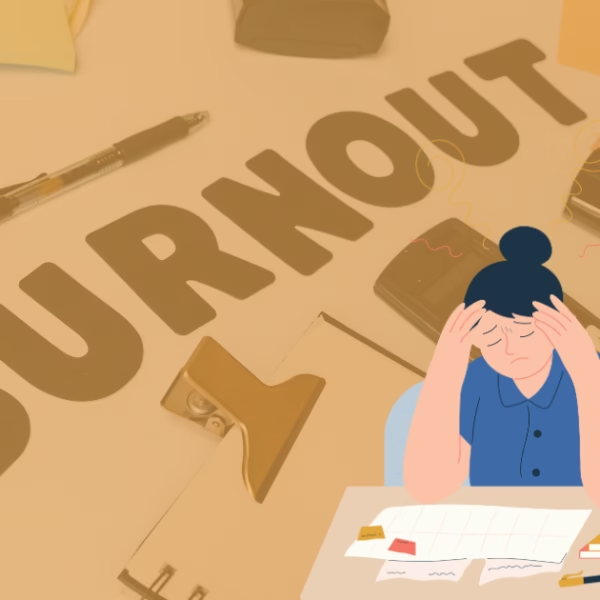


Student stress is a multifaceted issue that can stem from various sources, each contributing to the overall pressure that students experience. One of the primary causes is academic pressure, which often manifests as a relentless pursuit of high grades and academic excellence. The competitive nature of educational environments can lead students to feel overwhelmed by the expectations placed upon them, whether from parents, teachers, or even themselves. Here in this blogpost we will discuss about stress management techniques for students, which will help them throughout their life.
This pressure can be exacerbated by the sheer volume of coursework, deadlines, and the need to perform well on standardized tests, creating a perfect storm of anxiety and stress. In addition to academic pressures, social dynamics play a significant role in student stress. The transition to higher education often involves navigating complex social landscapes, where students must forge new friendships and establish their identities.
This can lead to feelings of isolation or inadequacy, particularly for those who struggle with social anxiety or who are in environments that feel unwelcoming. Furthermore, financial concerns can add another layer of stress; many students juggle part-time jobs alongside their studies, leading to a constant battle between academic responsibilities and the need to earn money. Understanding these diverse causes is crucial for developing effective strategies to mitigate student stress.
Key Takeaways
- Student stress can be caused by academic pressure, social expectations, and personal challenges.
- Effective time management and organization can help students reduce stress and improve productivity.
- Mindfulness and relaxation techniques, such as deep breathing and meditation, can help students manage stress and anxiety.
- Making healthy lifestyle choices, such as regular exercise and a balanced diet, can improve overall well-being and reduce stress.
- Seeking support from friends, family, and professionals, and building a strong support system can help students cope with stress and challenges.
Time Management and Organization
Effective time management is a cornerstone of academic success and a vital skill for reducing stress among students. Many students find themselves overwhelmed by the demands of their coursework, extracurricular activities, and personal commitments. By implementing structured time management techniques, students can create a more balanced approach to their responsibilities.
One effective method is the use of planners or digital calendars to map out deadlines, class schedules, and study sessions. This visual representation of time can help students prioritize tasks and allocate sufficient time for each subject or project. In addition to planning, organization plays a critical role in managing time effectively.
Students should develop systems for organizing their notes, assignments, and study materials. For instance, using color-coded folders or digital tools like note-taking apps can streamline the process of finding information when needed. Moreover, breaking larger projects into smaller, manageable tasks can prevent feelings of being overwhelmed.
By setting specific milestones and deadlines for each component of a project, students can maintain a steady pace and reduce last-minute cramming, which often leads to increased stress levels.
Mindfulness and Relaxation Techniques

In recent years, mindfulness has gained recognition as an effective tool for managing stress among students. Mindfulness practices encourage individuals to focus on the present moment, fostering a sense of calm and reducing anxiety. Techniques such as meditation, deep breathing exercises, and yoga can be particularly beneficial for students facing high levels of stress.
For example, dedicating just ten minutes a day to mindfulness meditation can help clear the mind and improve concentration, making it easier to tackle academic challenges. Incorporating relaxation techniques into daily routines can also provide significant relief from stress. Progressive muscle relaxation is one such technique that involves systematically tensing and relaxing different muscle groups in the body.
This practice not only helps alleviate physical tension but also promotes mental relaxation. Additionally, engaging in creative activities such as drawing, writing, or playing music can serve as an outlet for stress relief. By allowing students to express themselves creatively, these activities can provide a much-needed break from academic pressures while enhancing overall well-being.
Healthy Lifestyle Choices
The connection between lifestyle choices and mental health is well-documented, making it essential for students to prioritize their physical well-being as part of their stress management strategy. Regular physical activity is one of the most effective ways to combat stress. Exercise releases endorphins, which are natural mood lifters that can help alleviate feelings of anxiety and depression.
Students should aim to incorporate at least 30 minutes of moderate exercise into their daily routines, whether through jogging, cycling, or participating in team sports. Nutrition also plays a critical role in managing stress levels. A balanced diet rich in fruits, vegetables, whole grains, and lean proteins can provide the necessary nutrients to support cognitive function and emotional health.
Conversely, excessive consumption of caffeine or sugary snacks can lead to energy crashes and heightened anxiety. Students should be mindful of their dietary choices and consider meal prepping or cooking healthy meals in advance to ensure they have nutritious options readily available during busy weeks.
Seeking Support and Building a Support System
Building a robust support system is vital for students navigating the challenges of academic life. Friends, family members, mentors, and counselors can all play significant roles in providing emotional support during stressful times. Open communication with peers about shared experiences can foster a sense of community and reduce feelings of isolation.
Students should not hesitate to reach out to friends when they are feeling overwhelmed; often, simply talking about one’s feelings can provide relief and perspective. In addition to peer support, professional resources such as counseling services are invaluable for students dealing with chronic stress or mental health issues. Many educational institutions offer free or low-cost counseling services where students can speak with trained professionals about their concerns.
These counselors can provide coping strategies tailored to individual needs and help students develop resilience in the face of academic pressures. By actively seeking support and utilizing available resources, students can better manage their stress levels and enhance their overall well-being.
Setting Realistic Goals and Expectations
The Dangers of Overly Ambitious Goals
Setting unrealistic goals can have negative consequences on a student’s motivation and overall well-being. When students set targets that are too high, they may feel overwhelmed and discouraged when they fail to meet them. This can lead to a decrease in motivation and an increase in stress levels.
Setting SMART Goals
Instead, students should focus on establishing specific, measurable, attainable, relevant, and time-bound (SMART) goals that align with their capabilities and resources.
For instance, rather than aiming for a perfect score in every subject, a student might set a goal to improve their grade in a particular class by a certain percentage over the semester.
This approach not only makes the goal more attainable but also allows for incremental progress that can boost confidence and motivation.
Regularly Reassessing Goals
Additionally, regularly reassessing goals throughout the academic year ensures that they remain relevant and achievable as circumstances change. This helps students stay focused and motivated, and makes it easier to adjust their goals as needed.
Effective Study Techniques
The way students study can significantly impact their academic performance and overall stress levels. Employing effective study techniques is essential for maximizing learning while minimizing the time spent on studying. One widely recognized method is active learning, which involves engaging with the material through discussions, teaching others, or applying concepts in practical scenarios.
This approach fosters deeper understanding and retention compared to passive reading or rote memorization. Another effective technique is the use of spaced repetition—a method that involves reviewing material at increasing intervals over time rather than cramming before exams. This technique leverages the psychological spacing effect to enhance long-term retention of information.
Students can utilize flashcards or digital apps designed for spaced repetition to reinforce their learning effectively. By adopting these study techniques, students can enhance their academic performance while reducing the stress associated with last-minute studying.
Balancing Work and Play
Achieving a healthy balance between work and play is essential for maintaining mental health during the academic journey. While it is important for students to dedicate time to their studies and responsibilities, equally crucial is allowing time for relaxation and leisure activities. Engaging in hobbies or social activities provides an opportunity for students to recharge mentally and emotionally, ultimately enhancing their productivity when they return to their studies.
Time management plays a key role in achieving this balance; students should schedule regular breaks throughout their study sessions and allocate specific times for leisure activities. Whether it’s spending time with friends, pursuing creative interests, or simply enjoying nature, these moments of respite are vital for preventing burnout. By recognizing the importance of both work and play in their lives, students can cultivate a more fulfilling academic experience while effectively managing stress levels.
If you’re interested in delving deeper into the psychology behind stress management, you may want to check out the article Understanding the Basics of Psychology: A Comprehensive Guide. This comprehensive guide explores various psychological concepts that can help students better understand and cope with stress. By gaining insight into the workings of the mind, students can develop effective strategies for managing stress and improving their overall well-being.
FAQs
What is stress management for students?
Stress management for students refers to the techniques and strategies that help students effectively cope with and reduce the stress they experience during their academic pursuits.
Why is stress management important for students?
Stress management is important for students because excessive stress can negatively impact their mental and physical health, as well as their academic performance. Learning effective stress management techniques can help students maintain a healthy balance and achieve success in their studies.
What are some proven techniques for student stress management?
Proven techniques for student stress management include mindfulness and meditation, time management, regular exercise, adequate sleep, seeking social support, and seeking professional help when needed.
How can students incorporate stress management techniques into their daily routine?
Students can incorporate stress management techniques into their daily routine by scheduling regular time for relaxation and self-care, prioritizing tasks, setting realistic goals, and being mindful of their mental and physical well-being.
Where can students find additional resources for stress management?
Students can find additional resources for stress management through their school’s counseling services, online resources, self-help books, and support groups. It’s important for students to seek out resources that are reputable and evidence-based.