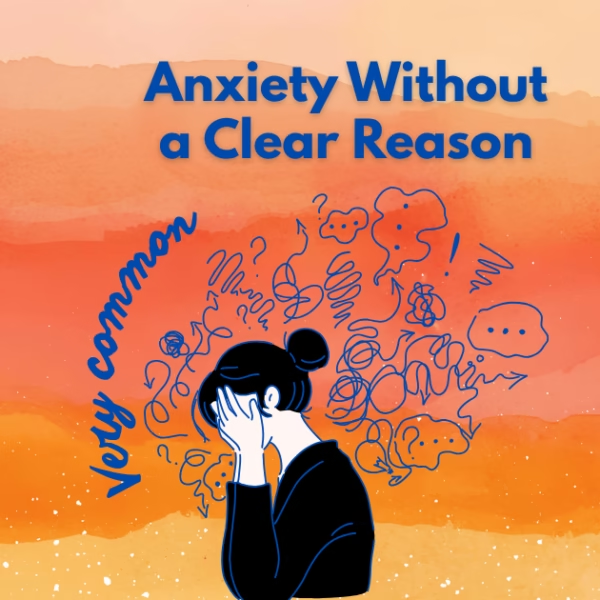


In recent years, the conversation around mental health has gained significant traction, yet many still find themselves grappling with feelings of confusion and despair. The mental health crisis is not just a buzzword; it’s a reality that affects millions of people worldwide. Factors such as social media, economic instability, and the pressures of modern life may contribute to this growing concern. It’s as if we’re living in a world that demands constant connectivity while simultaneously leaving us feeling isolated. This paradox can lead to anxiety, depression, and a general sense of being overwhelmed.
The statistics are staggering. According to various studies, one in five adults experiences mental illness at some point in their lives. This suggests that mental health issues are more common than we might think. Yet, despite the prevalence, there remains a stigma surrounding these conditions. Many individuals may feel ashamed or embarrassed to seek help, fearing judgment from others. This reluctance can exacerbate feelings of loneliness and hopelessness, creating a vicious cycle that is hard to break. Understanding this crisis is the first step toward addressing it, both for ourselves and for those around us.
Recognizing the Signs of Feeling Lost
Feeling lost is something that many people experience at different points in their lives. It can manifest in various ways, from a sense of aimlessness to a deep-seated feeling of disconnection from oneself and others. You might find yourself questioning your choices or feeling unfulfilled in your career or relationships. These feelings can be subtle at first, perhaps showing up as a nagging sense of dissatisfaction or a lack of enthusiasm for activities you once enjoyed. Over time, they can grow into something more profound, leading to anxiety or depression.
It’s important to pay attention to these signs. If you notice that you’re withdrawing from social interactions or struggling to find motivation for daily tasks, it may be time to reflect on what’s going on beneath the surface. Sometimes, it helps to talk about these feelings with someone you trust. Sharing your thoughts can provide clarity and may even reveal patterns you hadn’t noticed before. Recognizing that feeling lost is a common experience can also be comforting; it suggests that you’re not alone in this journey.
Seeking Support and Professional Help
When grappling with feelings of being lost or overwhelmed, seeking support can be a crucial step toward healing. This support can come from friends and family, but sometimes it’s beneficial to turn to professionals who are trained to help navigate these complex emotions. Therapists and counselors can offer valuable insights and coping strategies tailored to your unique situation. They create a safe space where you can express your thoughts without fear of judgment.
It’s understandable to feel hesitant about reaching out for professional help. Many people worry about being perceived as weak or overly emotional. However, it’s essential to recognize that seeking help is a sign of strength, not weakness. It shows a willingness to confront your challenges head-on and take steps toward improvement. Whether it’s through therapy, support groups, or even online resources, there are numerous avenues available for those looking for guidance and understanding.
Finding Purpose and Meaning
Finding purpose in life can often feel like an elusive goal, especially during times of uncertainty. It may seem like everyone else has it all figured out while you’re left overthinking what your next step should be. However, discovering what gives your life meaning is a deeply personal journey that varies from person to person. For some, it might involve pursuing a passion or hobby; for others, it could be about building relationships or contributing to their community.
One approach to uncovering your purpose is to reflect on what truly matters to you. What activities make you feel alive? What values do you hold dear? Engaging in self-reflection can help clarify your priorities and guide you toward fulfilling experiences. It’s also worth noting that finding purpose doesn’t have to be a grand endeavor; sometimes, small acts of kindness or moments of connection can provide profound meaning in our lives.
Practicing Self-Care and Mindfulness
In the hustle and bustle of everyday life, self-care often takes a backseat. Yet, prioritizing your well-being is essential for maintaining mental health. Self-care can take many forms—whether it’s indulging in a favorite hobby, spending time in nature, or simply allowing yourself to rest when needed. The key is to find what rejuvenates you personally and make it a regular part of your routine.
Mindfulness practices can also play a significant role in self-care. Techniques such as meditation or deep breathing exercises encourage you to stay present and aware of your thoughts and feelings without judgment. This practice may help reduce anxiety and improve overall emotional well-being. It’s about creating space for yourself amidst the chaos of life, allowing you to recharge and reconnect with your inner self.
Building a Supportive Community
Having a strong support system can make all the difference when navigating life’s challenges. Surrounding yourself with people who uplift and encourage you fosters resilience and provides a sense of belonging. This community doesn’t have to be large; even a few close friends or family members who understand your struggles can offer immense comfort.
Engaging with others who share similar experiences can also be incredibly validating. Support groups—whether in-person or online—can provide a platform for sharing stories and coping strategies. These connections remind us that we’re not alone in our struggles and that there are others who understand what we’re going through. Building this supportive network takes time and effort but can lead to meaningful relationships that enrich our lives.
Setting Realistic Goals and Expectations
When feeling lost or overwhelmed, it’s easy to set lofty goals that may not be achievable in the short term. While ambition is admirable, setting realistic expectations is crucial for maintaining motivation and avoiding burnout. Start by breaking down larger goals into smaller, manageable steps. This approach allows you to celebrate small victories along the way, which can boost your confidence and keep you moving forward.
It’s also important to be flexible with your goals. Life is unpredictable, and sometimes circumstances change unexpectedly. Allowing yourself the grace to adjust your plans can alleviate pressure and reduce feelings of inadequacy. Remember that progress isn’t always linear; there will be ups and downs along the way, and that’s perfectly okay.
Embracing Change and Growth
Change is an inevitable part of life, yet it often comes with discomfort and uncertainty. Embracing change may suggest stepping outside your comfort zone, which can be daunting but ultimately rewarding. Each transition presents an opportunity for growth—whether it’s learning new skills, meeting new people, or gaining fresh perspectives on life.
It’s natural to resist change; after all, our brains are wired to seek stability and predictability. However, viewing change as an opportunity rather than a threat can shift your mindset significantly. Reflecting on past experiences where change led to positive outcomes can serve as a reminder that growth often comes from embracing the unknown. By cultivating resilience and an open mind, you may find that change becomes less intimidating over time.
Navigating the complexities of mental health and personal growth is no small feat, but understanding these concepts can empower you on your journey toward well-being. Whether it’s recognizing when you need support or finding ways to connect with others, each step taken is a move toward a more fulfilling life. Remember that it’s okay to seek help and take things one day at a time; every small effort counts in the grand scheme of things.