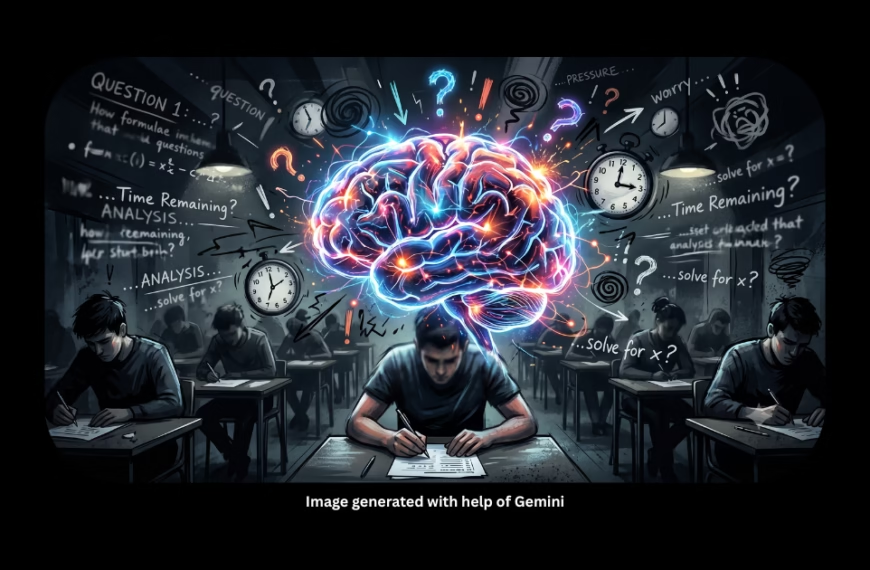

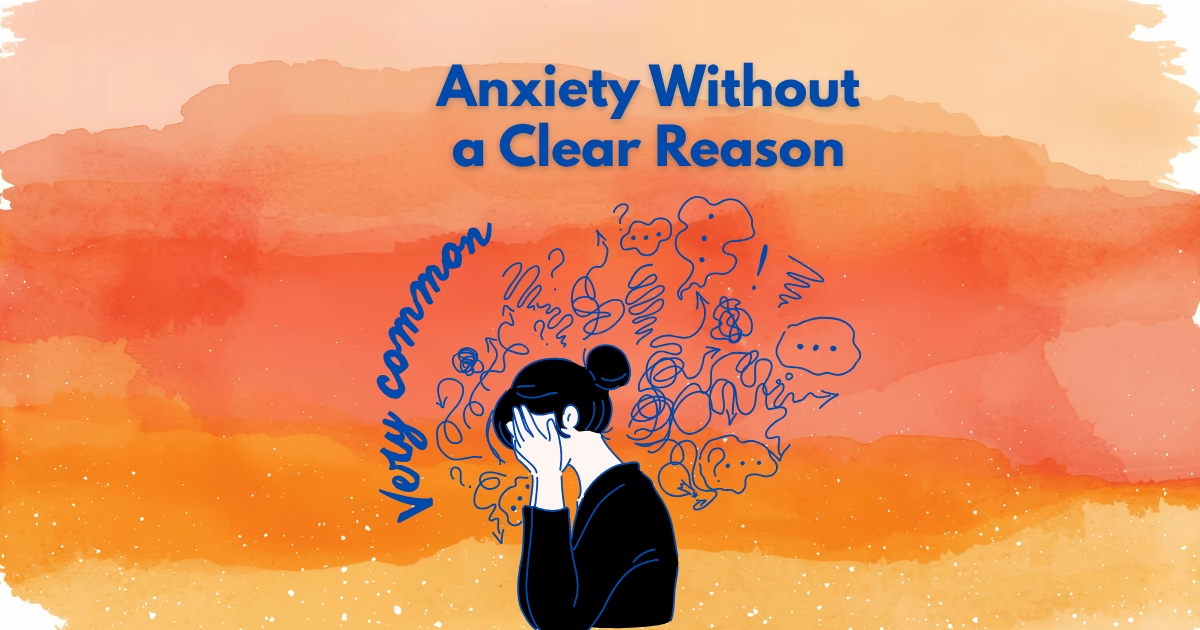
Anxiety seems to be a common thread in many people’s lives today. You might find yourself feeling anxious without a clear reason, and you’re definitely not alone. Studies suggest that a significant portion of the population experiences what is often termed “unexplained anxiety.” This type of anxiety can manifest as a nagging sense of dread or worry that doesn’t seem to have a specific trigger. It can pop up during mundane moments, like waiting in line at the grocery store or sitting in a quiet room. For many, this can feel frustrating and isolating, as they grapple with feelings that seem to come out of nowhere.
Interestingly, the rise in reported cases of anxiety may reflect broader societal changes. With the fast pace of modern life, constant connectivity through technology, and the pressures of social media, it’s no wonder that many individuals feel overwhelmed. The prevalence of unexplained anxiety may also suggest that we are becoming more aware of our mental health, leading to more people recognizing and reporting their feelings.
The role of the subconscious mind in anxiety
The subconscious mind plays a fascinating role in shaping our thoughts and feelings, often without us even realizing it. When it comes to anxiety, the subconscious may hold onto fears or unresolved issues that we haven’t consciously acknowledged. This can lead to feelings of anxiety that seem to arise out of nowhere.
How past experiences can contribute to unexplained anxiety
Our past experiences shape who we are, often in ways we don’t fully understand. Traumatic events or even seemingly minor incidents can leave lasting impressions on our psyche. Everyday stressors can also accumulate over time and manifest as anxiety. Recognizing these connections can be a crucial step toward understanding and managing your anxiety.
For a broader look at how prolonged stress can affect the way we respond to everyday demands, read our guide to anxiety and stress.
The impact of societal and cultural influences on anxiety
Societal and cultural factors play a significant role in shaping our mental health, including anxiety levels. In cultures where success is highly valued, individuals may feel immense pressure to perform and meet expectations. Cultural norms also dictate how we express emotions and seek help.
The connection between genetics and unexplained anxiety
Genetics may also play a role in how we experience anxiety. Research suggests that certain genetic factors can predispose individuals to anxiety disorders. However, genetics is just one piece of the puzzle; environmental factors and personal experiences also significantly shape our mental health.
The influence of stress and lifestyle factors on unexplained anxiety
Stress is often cited as a major contributor to anxiety. Even small daily stressors can accumulate over time, leading to feelings of unexplained anxiety. Lifestyle factors such as poor sleep, lack of exercise, and unhealthy eating can also contribute to heightened feelings of anxiety.
If stress has become a persistent background state, you may also find it useful to explore how long-term stress affects the brain and mindfulness approaches to stress relief.
The relationship between unexplained anxiety and cognitive biases
Cognitive biases are mental shortcuts that our brains take when processing information. They can also lead us astray—especially when it comes to anxiety. If you tend to focus on negative outcomes or catastrophize situations, you may find yourself feeling anxious about things that are unlikely to happen.
Repeated worry can also overlap with overthinking and decision-related worry.
The role of neurotransmitters and brain chemistry in unexplained anxiety
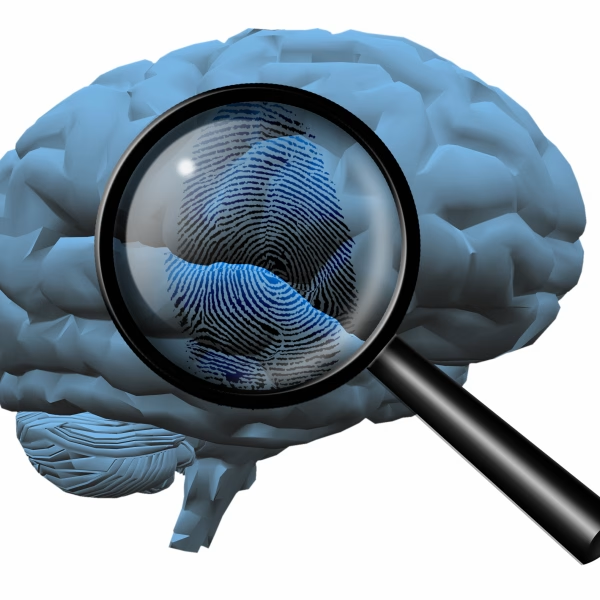
Neurotransmitters are chemical messengers in the brain that play a vital role in regulating mood and emotions. Understanding brain chemistry can help demystify some aspects of anxiety, although biology is only one part of a much larger picture.
The impact of unresolved emotions on unexplained anxiety
Unresolved emotions can linger beneath the surface and contribute significantly to feelings of unexplained anxiety. When we don’t process emotions such as grief, anger, or disappointment, they can manifest as physical symptoms or heightened anxiety levels.
The importance of seeking professional help for unexplained anxiety
When dealing with unexplained anxiety, seeking professional help can be incredibly beneficial. A therapist or counselor can provide valuable insights and help you develop coping strategies tailored to your situation. For information about professional approaches, see our resources on anxiety counselling and therapy for anxiety and depression.
Coping strategies for managing unexplained anxiety
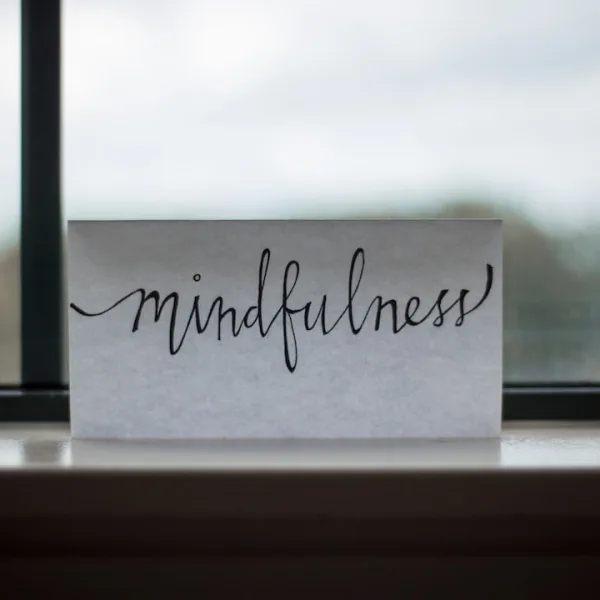
Managing unexplained anxiety often requires a multifaceted approach. One effective strategy is mindfulness meditation, which encourages individuals to focus on the present moment rather than getting lost in anxious thoughts. Developing a support network and engaging in regular physical activity can also help.
Ultimately, finding what works best for you may take time and experimentation. Remember that it’s okay to seek help along the way — and if you’re a parent, that includes staying alert to signs your teen may be struggling too; managing unexplained anxiety is a journey worth taking for your overall well-being.