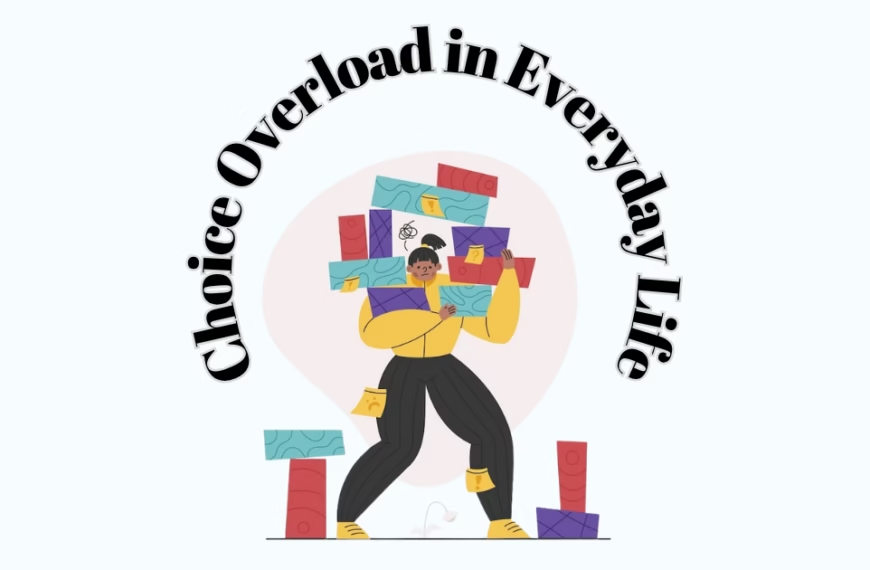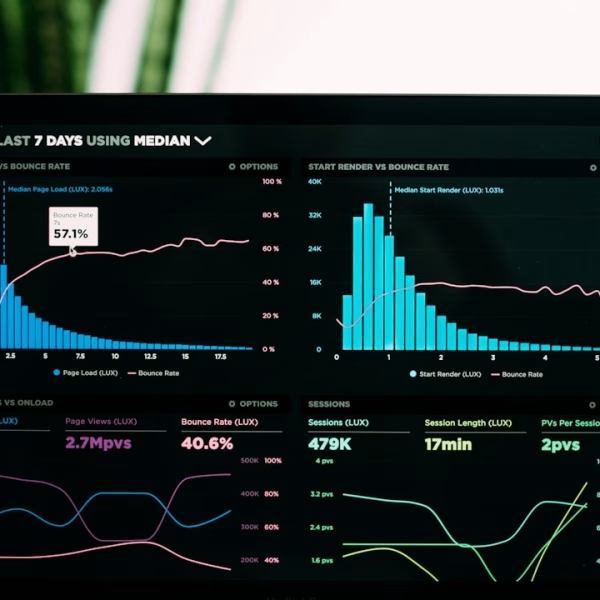

Stress is something I think we all experience, whether we acknowledge it or not. It’s that tightness in my chest when deadlines loom or the racing thoughts that keep me awake at night. Stress can manifest in various ways, from physical symptoms like headaches and fatigue to emotional responses such as irritability and anxiety. Good news is that stress relief through mindfulness meditation is possible and effective.
It’s fascinating, yet somewhat alarming, how our bodies react to stressors. When I feel stressed, my body releases hormones like cortisol and adrenaline, which prepare me for a fight-or-flight response.
- The impact of stress on the body can be profound and far-reaching. Chronic stress, for instance, may lead to serious health issues over time. I’ve read that it can contribute to heart disease, obesity, diabetes, and even autoimmune disorders.
It’s not just about feeling overwhelmed; it’s about how that feeling translates into physical health problems. I sometimes wonder if I’m doing enough to manage my stress levels, especially when I notice how it affects my sleep patterns or my ability to focus. The connection between mind and body is intricate, and understanding this relationship is crucial for anyone looking to improve their overall well-being.
Key Takeaways
- Stress negatively affects both mental and physical health, making management essential.
- Mindfulness meditation is a practice focused on present-moment awareness that helps reduce stress.
- Regular mindfulness meditation can lower stress levels by promoting relaxation and emotional regulation.
- Simple steps and techniques can be followed to effectively practice mindfulness meditation daily.
- Consistent practice of mindfulness meditation offers long-term benefits for managing stress and improving well-being.
Introduction to Mindfulness Meditation
Mindfulness meditation has become a buzzword in recent years, but what does it really mean? For me, it’s about being present in the moment without judgment. It’s not just sitting cross-legged on a mat; it’s a practice that can be integrated into daily life.
I remember the first time I tried mindfulness meditation. I was skeptical at first—how could sitting quietly really make a difference? But as I began to explore it more, I realized that mindfulness is about cultivating awareness of my thoughts and feelings without getting swept away by them.
At its core, mindfulness meditation encourages me to observe my thoughts as they come and go, much like clouds drifting across the sky. This practice may suggest a way to step back from the chaos of daily life and find a sense of calm amidst the storm. It’s not about emptying my mind or achieving some state of bliss; rather, it’s about acknowledging what’s happening in the present moment.
This shift in perspective can be incredibly liberating, allowing me to respond to stressors with greater clarity and composure.
How Mindfulness Meditation Reduces Stress
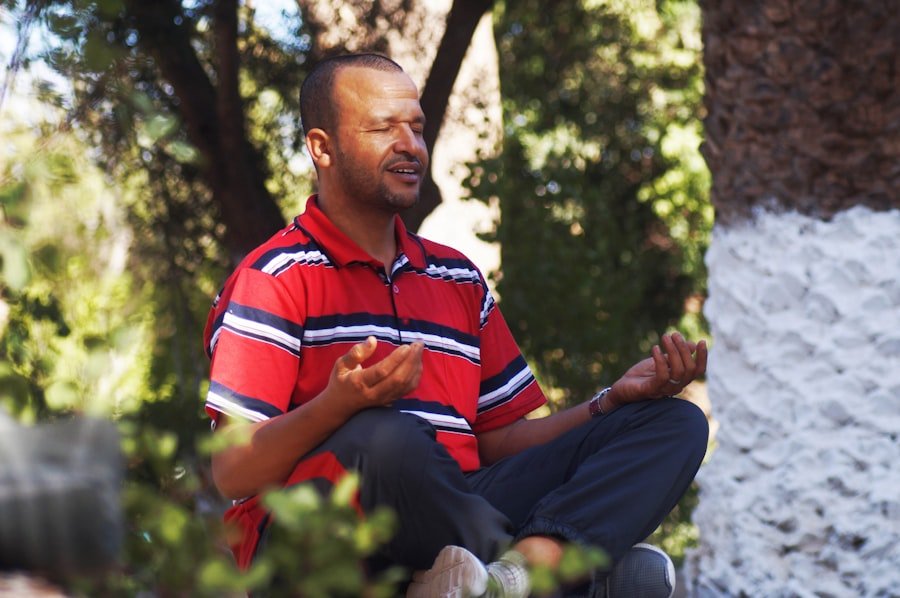
The way mindfulness meditation reduces stress is quite intriguing. When I engage in this practice, I often find that my racing thoughts begin to slow down. It appears that by focusing on my breath or the sensations in my body, I create a space between myself and my stressors.
This space allows me to observe my thoughts without becoming entangled in them. Research suggests that mindfulness can lower cortisol levels, which is often referred to as the stress hormone. It’s almost as if I’m giving my body permission to relax.
Moreover, mindfulness meditation encourages a shift in how I perceive stress itself. Instead of viewing stress as an enemy to be fought against, I start to see it as a natural part of life that can be managed with awareness and acceptance. This perspective shift is subtle but powerful.
I’ve noticed that when I practice mindfulness regularly, I’m less likely to react impulsively to stressful situations. Instead of feeling overwhelmed, I can approach challenges with a clearer mind and a more balanced emotional state.
Step-by-Step Guide to Practicing Mindfulness Meditation
Getting started with mindfulness meditation doesn’t have to be complicated. In fact, I’ve found that simplicity is key. First, I find a quiet space where I won’t be disturbed—this could be a cozy corner of my living room or even a peaceful spot in a nearby park.
Once settled, I sit comfortably, either on a chair or on the floor with my legs crossed. The important thing is to maintain a posture that feels relaxed yet alert. Next comes the breathing part.
I close my eyes and take a few deep breaths, inhaling through my nose and exhaling through my mouth. This initial focus on my breath helps ground me in the present moment. After a few breaths, I allow my breathing to return to its natural rhythm while keeping my attention on the sensation of air entering and leaving my body.
If my mind starts to wander—and it often does—I gently bring my focus back to my breath without judgment. This process of returning to the breath is where the real practice lies.
Tips for Incorporating Mindfulness Meditation into Daily Life
Incorporating mindfulness meditation into daily life can feel daunting at first, but it doesn’t have to be an all-or-nothing approach. One tip that has worked for me is starting small—just a few minutes each day can make a difference. I often set aside five minutes in the morning before diving into my day or in the evening as a way to unwind.
Gradually increasing the time as I become more comfortable with the practice has helped me stay consistent. Another strategy is to weave mindfulness into everyday activities. For instance, when I’m washing dishes or taking a walk, I try to focus on the sensations involved—feeling the warm water on my hands or noticing the sounds around me.
This practice transforms mundane tasks into opportunities for mindfulness, making it easier to integrate into my routine without feeling like an added burden.
Mindfulness Meditation Techniques for Stress Relief

There are various techniques within mindfulness meditation that can specifically target stress relief. One technique that resonates with me is body scan meditation. In this practice, I mentally scan my body from head to toe, paying attention to any areas of tension or discomfort.
By bringing awareness to these sensations, I often find that I can release some of that built-up stress simply by acknowledging it. Another technique involves loving-kindness meditation, which focuses on cultivating feelings of compassion towards myself and others. This practice may seem counterintuitive when dealing with stress, but I’ve found that sending positive thoughts towards myself helps create a sense of inner peace.
It’s like giving myself permission to be human and imperfect amidst life’s challenges.
Mindfulness Meditation and its Long-Term Effects on Stress Management
The long-term effects of mindfulness meditation on stress management are something I find particularly compelling.
This suggests that over time, mindfulness may help rewire how I respond to stressors.
I’ve noticed this shift in myself as well; after months of consistent practice, I feel more resilient when faced with challenges. Instead of spiraling into anxiety at the first sign of stress, I’m better equipped to handle difficult situations with a sense of calmness and clarity. It’s not that stress disappears entirely; rather, my relationship with it evolves into something more manageable.
Additional Resources for Further Exploration of Mindfulness Meditation and Stress Relief
If you’re curious about exploring mindfulness meditation further, there are plenty of resources available that have helped me along the way. Apps like Headspace or Calm offer guided meditations tailored for different needs—whether it’s reducing anxiety or improving sleep quality. These platforms provide an accessible entry point for beginners like me who might feel overwhelmed by traditional meditation practices.
Books also serve as valuable resources; titles like “The Miracle of Mindfulness” by Thich Nhat Hanh have offered profound insights into integrating mindfulness into daily life. Online courses and local workshops can also provide structured guidance and community support as you embark on your mindfulness journey. In conclusion, while stress is an inevitable part of life, mindfulness meditation offers a pathway toward managing it more effectively.
By understanding its impact on our bodies and minds, we can cultivate practices that promote resilience and well-being. Whether through simple breathing exercises or deeper techniques like loving-kindness meditation, there are countless ways to incorporate mindfulness into our lives—one moment at a time.
In addition to exploring stress relief through mindfulness meditation, you may find it beneficial to read about the connection between mental well-being and sustainability. The article titled The Link Between Sustainability and Mental Well-Being delves into how engaging with sustainable practices can enhance your mental health, providing a holistic approach to stress management.
FAQs
What is mindfulness meditation?
Mindfulness meditation is a practice that involves focusing your attention on the present moment while calmly acknowledging and accepting your feelings, thoughts, and bodily sensations without judgment.
How does mindfulness meditation help relieve stress?
Mindfulness meditation helps reduce stress by promoting relaxation, improving emotional regulation, and increasing awareness of stress triggers, which allows individuals to respond to stress more effectively rather than reacting impulsively.
How long should I meditate to experience stress relief?
Even short sessions of 5 to 10 minutes daily can provide benefits, but many practitioners find that 20 to 30 minutes per day yields more significant stress relief and improved mental clarity over time.
Do I need any special equipment or setting to practice mindfulness meditation?
No special equipment is required. A quiet and comfortable space where you can sit or lie down without distractions is ideal, but mindfulness meditation can be practiced anywhere.
Can mindfulness meditation be combined with other stress management techniques?
Yes, mindfulness meditation can complement other stress management strategies such as exercise, deep breathing, cognitive-behavioral techniques, and healthy lifestyle habits.
Is mindfulness meditation suitable for everyone?
Generally, mindfulness meditation is safe for most people. However, individuals with certain mental health conditions should consult a healthcare professional before starting a meditation practice.
How quickly can I expect to see results from mindfulness meditation?
Some people notice immediate relaxation effects, but consistent practice over several weeks is typically needed to experience significant and lasting stress reduction benefits.
Can mindfulness meditation improve other aspects of mental health besides stress?
Yes, mindfulness meditation has been shown to help reduce symptoms of anxiety and depression, improve focus and concentration, and enhance overall emotional well-being.
Are there different types of mindfulness meditation?
Yes, there are various forms, including focused attention meditation, body scan meditation, and open monitoring meditation, all of which emphasize present-moment awareness.
Where can I learn mindfulness meditation?
Mindfulness meditation can be learned through books, online courses, mobile apps, guided audio or video sessions, and in-person classes or workshops led by experienced instructors.