

Tired of Being Told “Just Stay Positive”? In a world that often champions positivity, the phrase “just stay positive” has become a common refrain. You might hear it in response to your struggles, whether they are personal, professional, or emotional. While the intention behind this advice is usually well-meaning, it can sometimes feel superficial or even patronizing. You may find yourself grappling with complex emotions that cannot simply be brushed aside with a cheerful mantra. The reality is that life is filled with challenges, and acknowledging those difficulties is essential for genuine growth and healing.
When you encounter someone who is going through a tough time, it’s easy to default to encouraging them to think positively. However, this approach can inadvertently minimize their feelings. You might feel pressured to suppress your emotions or put on a brave face, which can lead to internal conflict. Understanding the limits of “just stay positive” means recognizing that while optimism has its place, it should not overshadow the importance of processing and validating your feelings. Embracing the full spectrum of human emotion allows for a more authentic experience of life, one that includes both joy and sorrow.
If you’re looking for a deeper understanding of the psychological principles that can enhance your ability to listen without judgment or the urge to fix others, you might find the article on understanding the basics of psychology particularly insightful. This comprehensive guide explores essential concepts that can help you develop empathy and improve your communication skills. You can read more about it here: Understanding the Basics of Psychology: A Comprehensive Guide.
Why “Positive Thinking” Can Sometimes Feel Dismissive
You may have noticed that when someone tells you to “think positive,” it can sometimes feel like they are dismissing your struggles. This is particularly true when you are in the midst of a challenging situation. Instead of feeling supported, you might feel isolated or misunderstood. The phrase can come across as an oversimplification of your complex emotional landscape, reducing your experience to a mere suggestion rather than acknowledging the depth of your feelings.
Moreover, the pressure to maintain a positive outlook can create an internal struggle. You might find yourself battling feelings of guilt for experiencing negative emotions, as if you are somehow failing at the task of being happy. This can lead to a cycle of self-judgment and frustration. Recognizing that “positive thinking” can sometimes feel dismissive is crucial for fostering deeper connections with others. It encourages you to seek out conversations that allow for vulnerability and authenticity rather than relying on platitudes that may not resonate with your reality.
The Importance of Genuine Listening in Difficult Conversations
When you are faced with someone who is struggling, genuine listening becomes an invaluable tool. You may have experienced moments when you simply needed someone to hear you out without judgment or interruption. In these instances, the act of listening can be more powerful than any words of encouragement or advice. Genuine listening creates a safe space where individuals feel valued and understood, allowing them to express their thoughts and emotions freely.
In difficult conversations, your ability to listen actively can foster trust and connection. When you focus on truly hearing what someone is saying, you validate their experience and show that you care. This kind of engagement encourages openness and honesty, allowing for a deeper exploration of feelings and thoughts. By prioritizing genuine listening, you not only support others but also enrich your own understanding of their experiences, creating a more empathetic and compassionate environment.
How to Listen Without Judging or Offering Immediate Solutions
Listening without judgment requires practice and intention. You may find it challenging to resist the urge to offer solutions or advice when someone shares their struggles with you. However, it’s essential to recognize that sometimes people simply need to be heard rather than fixed. By allowing yourself to listen without jumping to conclusions or offering immediate solutions, you create an atmosphere where individuals feel safe to express themselves fully.
To cultivate this nonjudgmental listening approach, focus on being present in the moment. You might find it helpful to set aside your own thoughts and opinions while the other person speaks. Instead of formulating a response in your mind, concentrate on their words and emotions. This practice not only enhances your ability to listen but also demonstrates your commitment to understanding their perspective without imposing your own beliefs or solutions.
If you find yourself feeling overwhelmed by the pressure to maintain a positive outlook, you might appreciate exploring different approaches to emotional support. A related article that delves into mindfulness techniques is available at Mindfulness Meditation for Beginners, which offers practical strategies for being present and accepting your feelings without judgment. This resource can complement the insights from “Tired of Being Told ‘Just Stay Positive’?” by providing tools to listen and engage with your emotions more authentically.
Recognizing When Someone Needs Validation Over Advice
In conversations about difficult topics, it’s crucial to discern when someone is seeking validation rather than advice. You may have encountered situations where a friend or loved one simply wants acknowledgment of their feelings rather than suggestions for improvement. Recognizing this distinction can significantly impact the quality of your interactions and the support you provide.
When someone shares their struggles with you, pay attention to their tone and body language. Are they looking for reassurance that their feelings are valid? Or are they seeking guidance on how to navigate their situation? By tuning into these cues, you can respond more effectively and compassionately. Offering validation—acknowledging their feelings as legitimate—can be incredibly empowering for them, allowing them to feel seen and understood in their moment of vulnerability.
If you’re feeling overwhelmed by the constant pressure to maintain a positive outlook, you might find solace in exploring different approaches to mental well-being. One such method is the 3-3-3 rule, which offers a simple yet effective technique for grounding yourself during stressful moments. This technique encourages individuals to pause and engage with their surroundings, promoting mindfulness and self-awareness. To learn more about this helpful strategy, you can read the article on the 3-3-3 rule for better mental health here.
Techniques for Practicing Empathetic and Nonjudgmental Listening
Practicing empathetic and nonjudgmental listening involves several techniques that can enhance your ability to connect with others on a deeper level. One effective method is to use reflective listening, where you paraphrase what the other person has said to ensure you understand their message accurately. This technique not only demonstrates your attentiveness but also allows them to clarify any misunderstandings.
Another valuable technique is to ask open-ended questions that encourage further exploration of their feelings. Instead of asking yes-or-no questions, try prompting them with inquiries like “How did that make you feel?” or “What do you think would help in this situation?” These types of questions invite deeper conversation and show that you are genuinely interested in understanding their experience without imposing your own views.
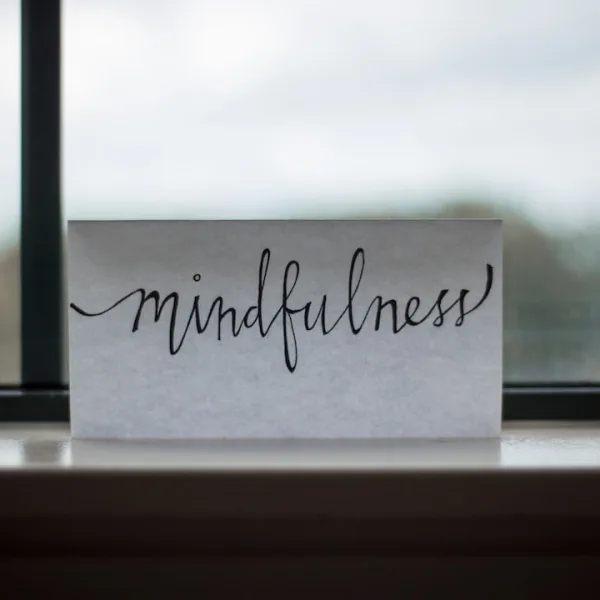
The Role of Mindfulness in Supporting Others Authentically
Mindfulness plays a significant role in how you support others authentically during challenging times. By practicing mindfulness, you cultivate an awareness of your own thoughts and emotions, which allows you to be more present when engaging with someone else’s struggles. This presence fosters a deeper connection and enables you to respond with empathy rather than react impulsively.
When you approach conversations with mindfulness, you create a space where both you and the other person can explore emotions without judgment or distraction. You might find it helpful to take a few deep breaths before engaging in a difficult conversation, grounding yourself in the moment and setting aside any preconceived notions or biases. This practice not only enhances your ability to listen but also encourages a more compassionate exchange between both parties.
Creating Safe Spaces for Honest and Open Emotional Expression
Creating safe spaces for honest emotional expression is essential for fostering meaningful connections with others. You may have experienced environments where you felt comfortable sharing your thoughts without fear of judgment or ridicule. Striving to replicate this atmosphere in your interactions can significantly impact how others feel about opening up to you.
To create such spaces, prioritize confidentiality and trust in your conversations. Assure those who confide in you that their feelings will be respected and kept private. Additionally, encourage open dialogue by expressing your willingness to listen without judgment or interruption. By establishing these principles, you invite others to share their experiences authentically, leading to deeper connections and mutual understanding.
In conclusion, navigating the complexities of emotional support requires a nuanced approach that goes beyond simple platitudes like “just stay positive.” By understanding the limits of positive thinking, practicing genuine listening, and creating safe spaces for emotional expression, you can foster deeper connections with those around you. Embracing empathy and mindfulness allows for authentic support that acknowledges the full spectrum of human experience—one that values both joy and sorrow equally.
FAQs
Why do people often say “just stay positive”?
People may say “just stay positive” with good intentions, believing that it can help uplift someone’s mood or outlook on a situation. However, this phrase can sometimes come across as dismissive of the person’s feelings or struggles.
How can I support someone without telling them to “just stay positive”?
You can support someone by actively listening to them without judgment or trying to fix their problems. Show empathy, validate their feelings, and offer your presence and support without trying to impose a specific mindset on them.
Why is it important to avoid judging or fixing someone’s problems when they share their struggles?
When we judge or try to fix someone’s problems, we may unintentionally invalidate their feelings and experiences. It’s important to create a safe and supportive space for them to express themselves without fear of being criticized or pressured to adopt a particular attitude.
What are some alternative ways to respond when someone shares their challenges with me?
Instead of offering quick solutions or advice, you can respond by saying things like “I’m here for you,” “I hear you,” or “That sounds really tough.” Encourage them to share more if they feel comfortable and let them know that you care about their well-being.
How can I show empathy and support to someone who is going through a difficult time?
You can show empathy and support by actively listening, acknowledging their feelings, and offering your presence and understanding. Avoid minimizing their struggles or trying to change their emotions, and instead, focus on being there for them in a non-judgmental way.