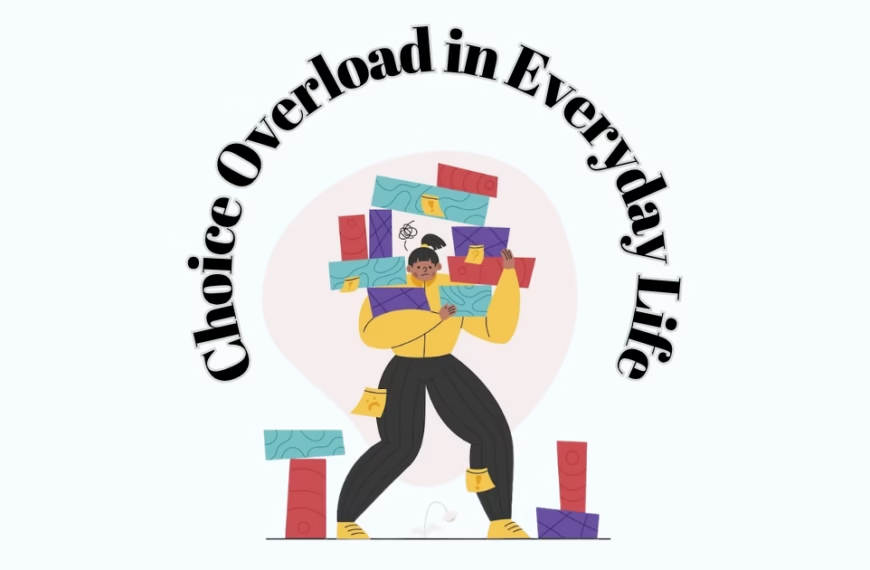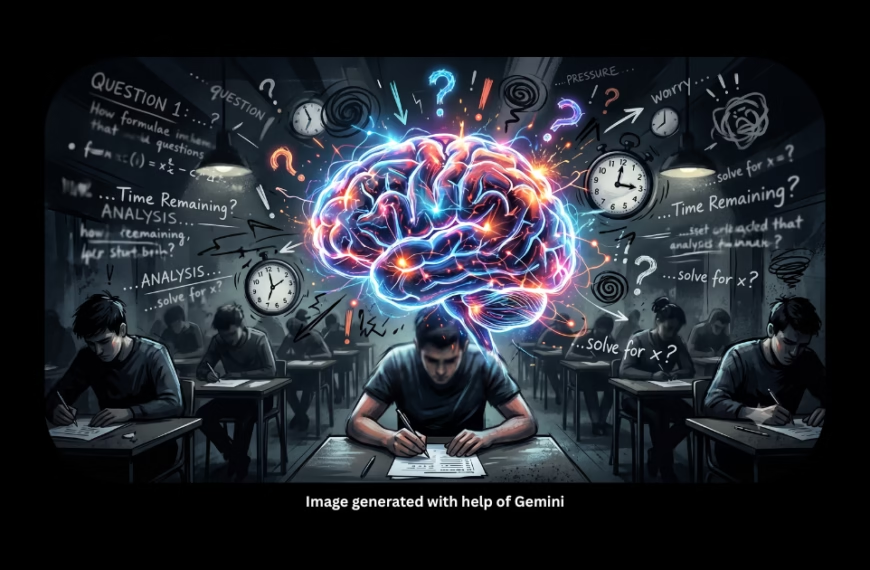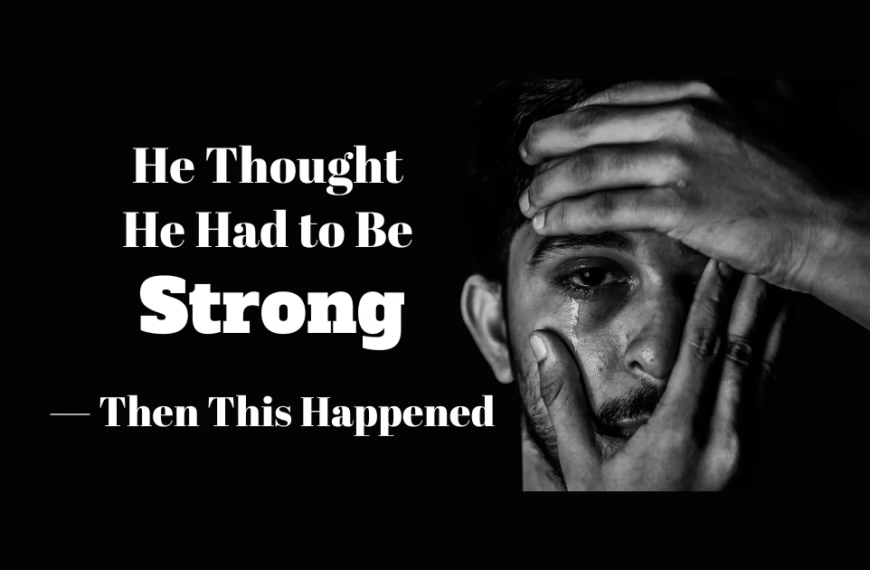


Anxiety is a complex beast, especially for young adults navigating the tumultuous waters of early adulthood. Hence it is important to discuss practical anxiety coping techniques for young adults. I often find myself reflecting on how this age group faces unique pressures—academic expectations, career uncertainties, and social dynamics that can feel overwhelming. It’s not just about feeling nervous before a big presentation; it’s a persistent undercurrent that can affect daily life.
I’ve seen friends struggle with anxiety, and it’s clear that it can manifest in various ways, from racing thoughts to physical symptoms like a racing heart or sweaty palms. What’s particularly interesting is how societal factors play into this. The constant barrage of social media can amplify feelings of inadequacy or fear of missing out.
It may suggest that they’re alone in their struggles, when in reality, many are grappling with similar feelings. Understanding anxiety in this context is crucial; it’s not just an individual issue but a collective experience shaped by the world around us.
Key Takeaways
- Anxiety in young adults can be managed through various coping strategies and understanding its triggers.
- Breathing exercises and mindfulness meditation help reduce stress and promote relaxation.
- Building a strong support system is crucial for emotional well-being and resilience.
- Setting realistic goals and prioritizing tasks can prevent overwhelm and improve focus.
- Professional help, regular physical activity, and self-care practices are essential components of effective anxiety management.
Breathing and Relaxation Techniques
When I first heard about breathing techniques as a way to manage anxiety, I was skeptical. I mean, how could something as simple as focusing on my breath really make a difference? But after trying it out during particularly stressful moments—like before exams or job interviews—I began to see the value.
I’ve found that taking a few moments to inhale deeply through my nose, hold it for a few seconds, and then exhale slowly can create a sense of calm that’s hard to replicate with anything else. Relaxation techniques go beyond just breathing, though.
Progressive muscle relaxation, for instance, has become a go-to for me. The idea is to tense and then relax different muscle groups, which helps release built-up tension. I remember lying on my bed one evening, going through the process, and feeling the weight of my worries lift just a little.
It’s not a cure-all, but these techniques can serve as valuable tools in my anxiety toolkit, offering moments of respite when life feels particularly heavy.
Mindfulness and Meditation Practices

Mindfulness and meditation have become buzzwords in recent years, but I’ve found that they hold genuine promise for managing anxiety. Initially, I thought meditation was just about sitting cross-legged and chanting mantras, which felt intimidating. However, I discovered that mindfulness can be as simple as being present in the moment—whether that’s savoring a cup of coffee or taking a walk without distractions.
It appears to shift my focus away from spiraling thoughts and back to the here and now. I’ve also experimented with guided meditations, which can be incredibly helpful for beginners like me. There are countless apps and online resources available that offer short sessions tailored to anxiety relief.
I remember one particular session where the guide encouraged me to visualize my worries as clouds drifting away. It sounds cliché, but it genuinely helped me feel lighter afterward. While mindfulness practices may not eliminate anxiety entirely, they provide a framework for managing it more effectively.
Establishing a Support System
Building a support system is something I’ve come to realize is essential for anyone dealing with anxiety. Friends and family can offer a listening ear or a shoulder to lean on during tough times. I’ve been fortunate to have friends who understand what I’m going through; we often share our experiences and coping strategies over coffee or during late-night chats.
It’s comforting to know that I’m not alone in this journey. However, establishing a support system isn’t always straightforward. Sometimes, it requires vulnerability and the courage to open up about my struggles.
I’ve had moments where I hesitated to share my feelings for fear of being judged or misunderstood. But when I finally did, the relief was palpable. It’s likely that many young adults feel similarly hesitant, but reaching out can foster deeper connections and create an environment where everyone feels safe discussing their mental health.
Setting Realistic Goals and Prioritizing Tasks
In the whirlwind of responsibilities that young adulthood brings, setting realistic goals has become crucial for me. There was a time when I would overload my schedule with tasks—thinking that being busy equated to being productive. But I soon realized that this approach only heightened my anxiety levels.
Now, I try to break down larger goals into smaller, manageable tasks. For instance, instead of telling myself I need to finish an entire project in one night, I’ll set specific milestones for each day. Prioritizing tasks is another game-changer.
I’ve started using tools like to-do lists and planners to help me visualize what needs to be done and when. It’s amazing how simply writing things down can alleviate some of the mental clutter that contributes to anxiety. I’ve learned that it’s okay to say no to certain commitments if they don’t align with my priorities or if they threaten to overwhelm me.
This shift in mindset has made a significant difference in how I approach my daily life.
Engaging in Physical Activity and Exercise

Physical activity has always been touted as a remedy for stress, but I didn’t fully appreciate its impact until I made it a regular part of my routine. Whether it’s going for a run, hitting the gym, or even just taking a brisk walk around my neighborhood, moving my body helps release pent-up energy and tension. There’s something about the endorphins that kick in during exercise that can shift my mood dramatically.
I’ve also discovered that finding an activity I genuinely enjoy makes all the difference. For me, it’s dancing—something I never thought would be an outlet for stress relief until I tried it out at a local class. The combination of music and movement allows me to express myself while also providing an escape from anxious thoughts.
Engaging in physical activity doesn’t have to be about hitting the gym hard; it can be about finding joy in movement and making it a regular part of life.
Seeking Professional Help and Therapy
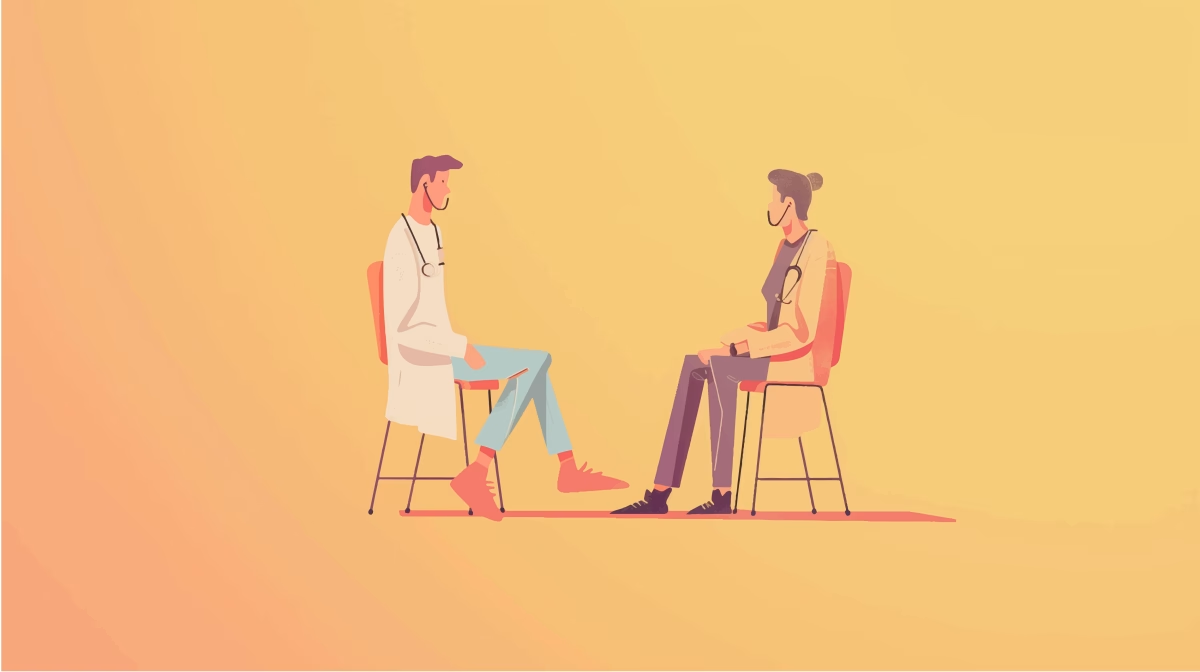
There was a time when seeking professional help felt like an insurmountable step for me. The stigma surrounding mental health often loomed large in my mind, making me hesitant to reach out for support. However, after some reflection and encouragement from friends who had positive experiences with therapy, I decided to take the plunge.
It was one of the best decisions I could have made. Therapy has provided me with tools and insights that have been invaluable in managing my anxiety. Talking to someone who understands the complexities of mental health has been liberating; it’s like having a safe space where I can express my thoughts without judgment.
While therapy isn’t a quick fix—it requires commitment and vulnerability—it has opened up new perspectives on how I view my anxiety and equipped me with strategies to cope more effectively.
Practicing Self-Care and Stress Management Strategies
Self-care is often portrayed as bubble baths and spa days, but for me, it’s about finding small moments of joy amidst the chaos of life. Whether it’s curling up with a good book or indulging in my favorite hobby, these little acts of self-kindness can make a world of difference when anxiety creeps in. I’ve learned that self-care doesn’t have to be extravagant; it can be as simple as taking time for myself each day.
In addition to personal hobbies, incorporating stress management strategies into my routine has been beneficial too. This might include setting aside time for journaling or practicing gratitude—both of which help me process my thoughts and emotions more clearly. It’s fascinating how these practices can shift my perspective on daily challenges and remind me of the positives in life, even when anxiety feels overwhelming.
Ultimately, self-care is about recognizing my needs and prioritizing them amidst life’s demands—a lesson that continues to evolve as I navigate adulthood.
For young adults navigating the complexities of anxiety, practical coping techniques can be invaluable. One related article that delves into the importance of emotional intelligence in managing everyday challenges is Beyond IQ: The Power of Emotional Intelligence in Everyday Life. This resource highlights how understanding and harnessing emotional intelligence can enhance coping strategies and improve overall mental well-being.
FAQs
What are some common causes of anxiety in young adults?
Common causes of anxiety in young adults include academic pressure, social challenges, financial concerns, career uncertainty, and major life transitions such as moving out or starting a new job.
What practical techniques can young adults use to cope with anxiety?
Practical techniques include deep breathing exercises, mindfulness meditation, regular physical activity, maintaining a healthy sleep schedule, journaling, and seeking social support from friends, family, or professionals.
How does mindfulness help in managing anxiety?
Mindfulness helps by encouraging individuals to focus on the present moment, reducing rumination on past or future worries, which can decrease overall anxiety levels and improve emotional regulation.
Can lifestyle changes impact anxiety levels?
Yes, lifestyle changes such as regular exercise, balanced nutrition, adequate sleep, and reducing caffeine and alcohol intake can significantly reduce anxiety symptoms.
When should a young adult seek professional help for anxiety?
Professional help should be sought if anxiety is persistent, overwhelming, interferes with daily functioning, or if self-help techniques are not effective. Mental health professionals can provide therapy, medication, or a combination of treatments.
Are there any quick anxiety relief techniques for immediate stress?
Yes, quick techniques include deep breathing exercises, grounding techniques (such as focusing on physical sensations), progressive muscle relaxation, and short mindfulness practices.
How important is social support in coping with anxiety?
Social support is very important as it provides emotional comfort, practical assistance, and a sense of belonging, all of which can help reduce feelings of anxiety.
Can journaling help with anxiety management?
Journaling can help by allowing individuals to express their thoughts and feelings, identify anxiety triggers, and develop coping strategies, which can lead to better emotional understanding and relief.
Is exercise effective in reducing anxiety symptoms?
Yes, regular physical activity releases endorphins and other chemicals that improve mood and reduce stress, making exercise an effective tool for managing anxiety.
What role does sleep play in anxiety management?
Adequate and quality sleep is crucial as poor sleep can exacerbate anxiety symptoms — CBT-I can help with persistent insomnia — while good sleep hygiene helps regulate mood and improve overall mental health.