

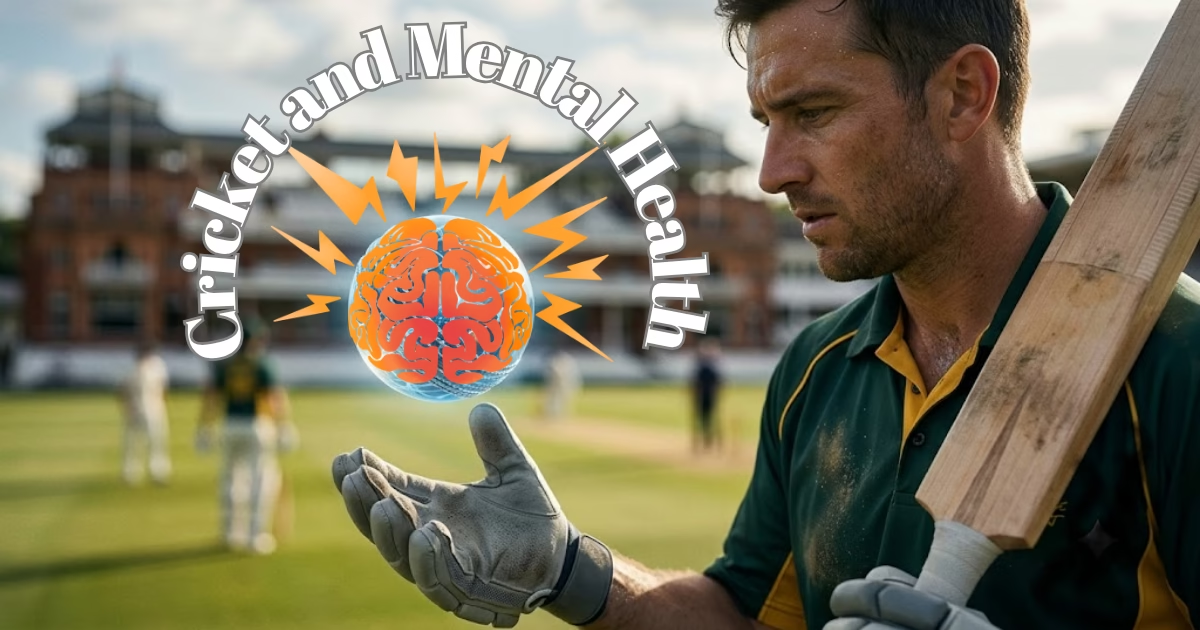
Cricket looks calm from the outside. A batter waits. A bowler measures the run-up. Fielders hold their positions. But behind that stillness, the mental load can be intense. Cricket and mental health are closely linked because the sport asks players to handle pressure, failure, public scrutiny, long schedules, and constant performance expectations.
That does not mean cricket is bad for mental health. In fact, sport can build confidence, discipline, and resilience. But cricket also creates a unique psychological environment. Players can go from hero to headlines in a single session. That emotional swing is part of the game, and it helps explain why mental wellbeing matters so much in modern cricket.
Why Cricket Puts Mental Health Under Pressure
Cricket is a long-form sport with plenty of time to think, and that can be both helpful and brutal. A player can spend hours on the field replaying a mistake in their head. That kind of mental rumination can fuel anxiety, self-doubt, and emotional exhaustion.pubmed.ncbi.
Research on professional and semi-professional cricketers has found meaningful levels of stress, anxiety, and depressive symptoms, along with issues such as poor sleep and reduced satisfaction with life. Other studies point to factors like career uncertainty, contract insecurity, non-selection, injury, and the pressure to stay in form as major stressors.
The result is a sport where mental toughness matters, but so does support. Cricket does not just test skill. It tests attention, confidence, patience, and recovery after setbacks.
The Hidden Side of Performance Pressure
Fans often talk about performance pressure as if it only shows up in a final over or a big chase. In reality, it starts much earlier. Players deal with selection anxiety, fear of failure, and the emotional strain of being judged every time they walk out to bat or bowl.
Professional cricket also has a long memory. A poor run of form can linger in selection talks, media commentary, and even the player’s own self-talk. That is why psychological resilience becomes so important. Resilience helps cricketers bounce back from poor performance, injury, or criticism without letting one bad spell define them.researchonline.
This is also where the idea of mental fatigue comes in. When players are mentally worn down, they may struggle with concentration, decision-making, and confidence. Over time, that can look like burnout rather than simple tiredness.pmc.ncbi.
Common Mental Health Challenges in Cricket
Cricketers can face the same mental health concerns seen in other high-performance sports, but a few issues show up often in the cricket world.
Anxiety in cricketers, especially around selection, form, and major matches.
Depression and low mood, sometimes linked to long periods of stress or isolation.
Burnout in cricket, driven by packed calendars, travel, and constant pressure to perform.
Sleep disturbance and mental fatigue, which can reduce focus and recovery.
Stigma around mental health, which can make players hide symptoms or avoid help.pubmed.
A review of cricket mental health literature also noted that cricketers can be vulnerable to distress and adverse alcohol use, especially when stress and pressure are left unmanaged. That is a reminder that mental health in sport is not just about feeling stressed. It is about how that stress affects the whole person.
Why Players Often Stay Silent
Many athletes still worry that speaking up could affect their place in the team. Research on athlete help-seeking shows that stigma, confidentiality concerns, fear of deselection, and sport culture are major barriers to getting support.pubmed.
In cricket, that silence can be especially strong because the sport often rewards composure. Players are expected to stay calm, stay tough, and keep going. But emotional suppression is not the same as resilience. Real resilience means noticing the pressure, naming it, and responding in a healthy way.
The ICC has acknowledged this reality directly. In its mental health awareness workshops, the organization emphasized safe environments, mental wellbeing on and off the field, and the importance of encouraging players to seek help when needed.
What Helps Cricketers Cope Better
Psychology gives cricket players practical tools, not vague advice. The goal is not to “be positive” all the time. The goal is to build coping skills that help players stay steady when the game gets messy.
Build mental resilience
Mental resilience is the ability to recover after mistakes, bad innings, injuries, or selection setbacks. Studies on cricketers show that resilience is linked to lower emotional distress and better ability to handle performance slumps.
Useful habits include:
reviewing mistakes without catastrophizing,
focusing on process goals instead of only outcomes,
and treating setbacks as information rather than identity.
Use sports psychology tools
Sports psychology for cricketers often includes visualization, self-talk, breathing exercises, and pre-performance routines. These techniques help players control attention, regulate arousal, and build confidence under pressure.
A simple pre-match routine can reduce mental clutter. So can a few minutes of slow breathing before facing a new spell or entering a tense fielding situation. Small tools often work better than dramatic speeches.
Protect recovery time
Cricket’s schedule can be relentless, so recovery matters. Sleep, physical rest, and time away from cricket help reduce burnout and support mental wellbeing. When players never fully switch off, stress has no chance to settle — see our broader guide to stress management strategies for athletes.
Recovery also means creating some separation between cricket identity and personal identity. A player is not just a batting average or bowling figure. That may sound obvious, but the sport can make it easy to forget.
The Role of Coaches and Teams
A player rarely manages mental health alone. Coaches, support staff, and teammates play a huge role in shaping team culture. When leaders normalize conversations about pressure, performance anxiety, and mental fatigue, players are more likely to ask for help early.
Teams can help by:
discussing mental wellbeing openly,
making support services easy to access,
reducing stigma around therapy or counseling,
and encouraging honest communication after poor performances.
This matters because the team environment can either protect mental health or make it worse. Supportive coaching does not remove pressure, but it does make pressure easier to carry.
What Fans Should Remember
It is easy to watch cricket as entertainment and forget the human being inside the helmet. Fans are allowed to care about results. But it helps to remember that players are navigating pressure, form, selection, travel, injury, and public criticism all at once.
A missed catch is not proof of weakness. A bad patch of form is not a personality flaw. And asking for help is not a sign that a cricketer lacks toughness. In many cases, it is the opposite.
Final Thoughts
Cricket and mental health are deeply connected because cricket demands so much more than technical skill. It asks players to manage stress, stay resilient, handle scrutiny, and keep performing even when their confidence is shaky.
The good news is that mental health in cricket is getting more attention, and that is a positive shift. With better support systems, healthier team cultures, and practical psychological tools, cricketers can protect both performance and wellbeing.