
Editorial
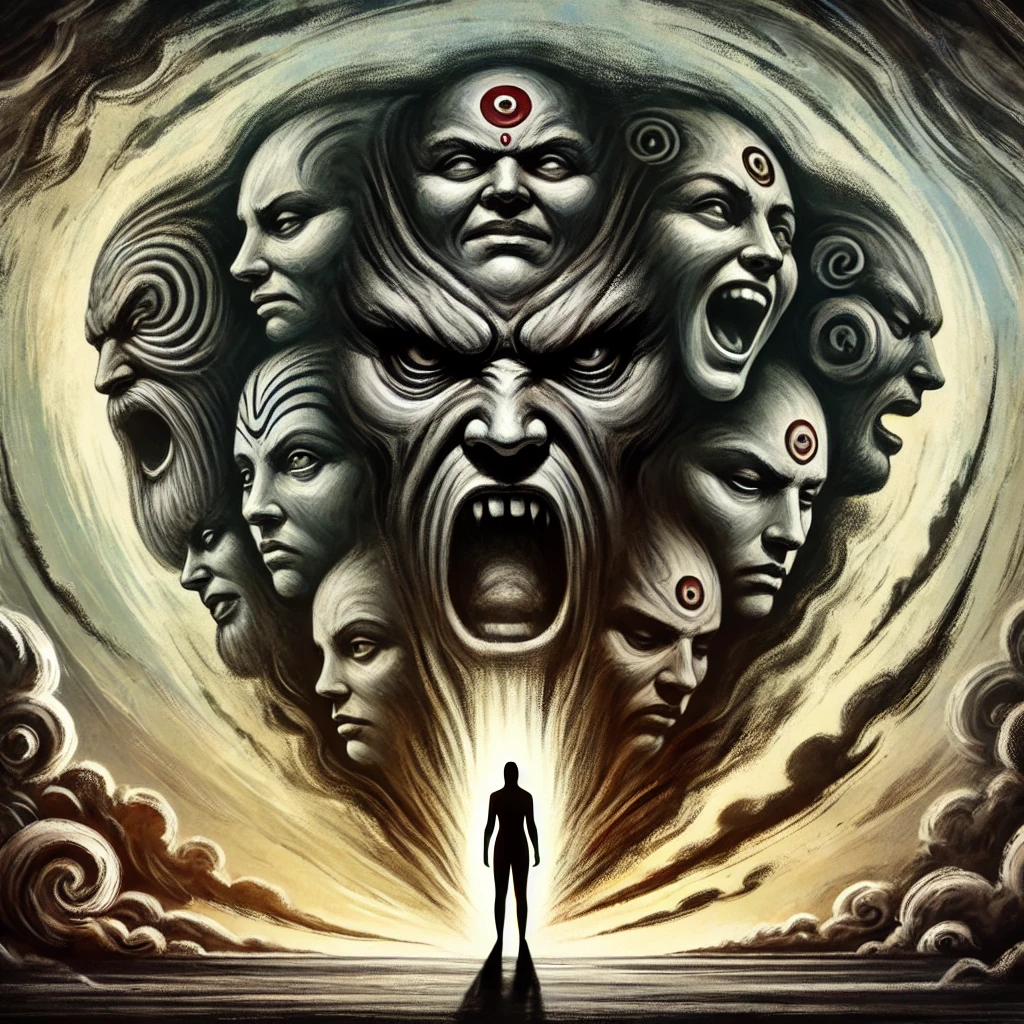
As Vijayadashmi approaches, many of us reflect on the symbolic victory of good over evil. The story of Ravan, the demon king with his ten heads representing pride, anger, and unchecked desire, resonates beyond myth. But what if the Ravan we need to conquer today isn’t an external figure but one that exists within us?……. the Inner Ravan!
In modern life, our “inner Ravan” takes the form of negative thoughts, destructive behaviors, and emotional baggage. On Vijayadashmi, we burn effigies of Ravan, but the real challenge is to recognize and burn these internal obstacles to nurture our mental well-being.
The Inner Ravan: What Does It Represent?
Each of us carries an internal dialogue—an ongoing conversation within our minds that affects how we view ourselves and the world. When this voice becomes negative—whether through self-doubt, harsh self-criticism, or anger—it can lead to anxiety, depression, or even burnout. The ten heads of Ravan can be seen as a metaphor for these emotional burdens:
Pride: Stops us from seeking help or admitting we’re struggling.
Anger: Causes us to react impulsively — a lack of emotional intelligence in the moment — damaging relationships.
Desire: Fuels constant dissatisfaction and frustration when expectations aren’t met.
Much like Lord Rama faced Ravan, we need to recognize and confront these internal challenges. Understanding them is the first step toward overcoming them.
How to Burn Your Inner Ravan
The process of “burning” your inner Ravan is about self-awareness and growth. Here are a few ways to begin that journey:
Recognize Your Negative Patterns: Start by paying attention to your thoughts. Are they helpful or harmful? Do you frequently judge yourself harshly, or find yourself stuck in cycles of anger or frustration? Practices like mindfulness or journaling can help you identify these patterns.
Challenge Your Inner Critic: Once you’ve recognized these negative thoughts, start questioning them. For example, if you think, “I’m not good enough,” ask yourself if that’s truly the case. Often, we’re our own worst critics, and reframing these thoughts can lead to a healthier mindset.
Be Kinder to Yourself: Instead of being harsh on yourself when things go wrong, practice self-compassion. It’s okay to struggle or make mistakes—it’s part of being human. By treating yourself with kindness, you create emotional resilience and a more balanced perspective on life.
Using Vijayadashmi as a Symbol for Healing
The burning of Ravan’s effigy during Vijayadashmi represents the destruction of evil. We can apply this symbolism to our own lives by creating mental health rituals that help us shed negativity. Whether it’s meditating, seeking support from friends or a therapist, or even setting boundaries to protect your peace, each step toward self-care is a victory over your inner Ravan.
Conclusion
The message of Vijayadashmi is timeless—it’s about the ongoing battle between good and evil, not just outside but within us. Burning your inner Ravan means confronting the negative thoughts and emotions that weigh you down and prevent you from being mentally healthy. By recognizing, challenging, and replacing them with healthier, more compassionate habits, you can achieve a sense of peace and emotional well-being.
This Vijayadashmi, let’s celebrate not only the triumph of good over evil but also the victory of self-awareness and self-compassion over inner turmoil. Burn your inner Ravan, and make room for a more peaceful, mentally healthy you.
Feeling Lonely Despite Having Friends and Family? Read our blog on Why and How to Cope?