
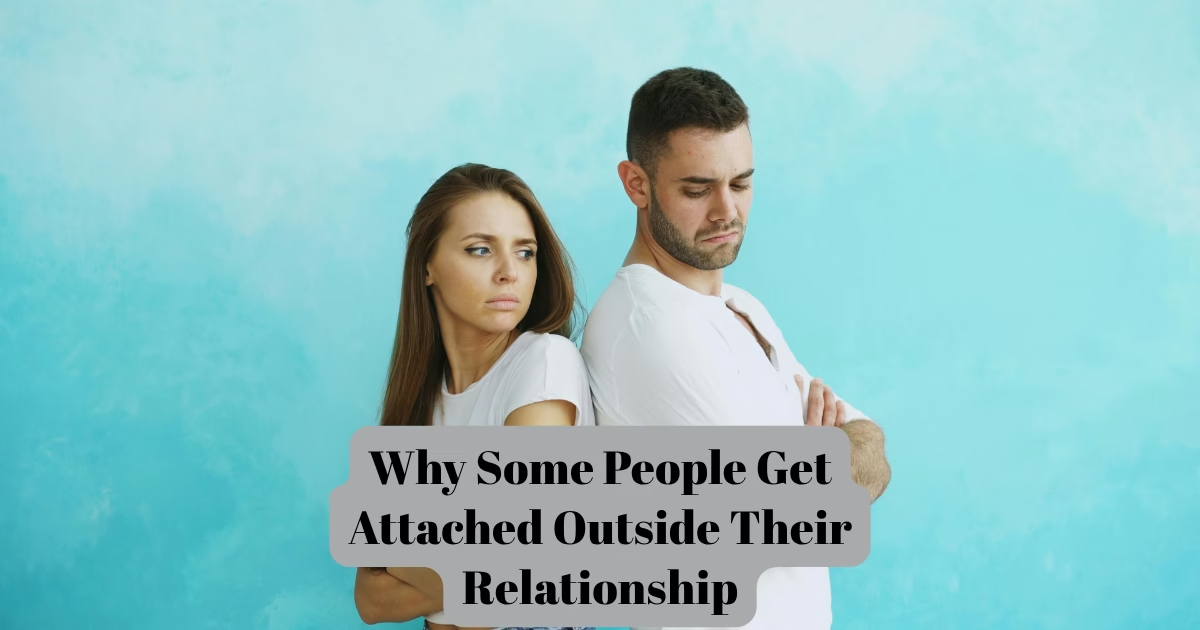
Emotional infidelity can be a tricky concept to grasp. At its core, it refers to forming a deep emotional connection with someone outside of a committed relationship. This connection often involves sharing intimate thoughts, feelings, and experiences that are typically reserved for a partner. Unlike physical infidelity, which is more straightforward and often involves sexual acts, emotional infidelity can be more insidious. It may not always be recognized as a betrayal until it has already caused significant harm to the primary relationship.
Many people might wonder why emotional infidelity is such a big deal. After all, it doesn’t involve physical intimacy, right? However, the emotional bond created with someone else can lead to feelings of neglect and betrayal in the primary relationship. When one partner invests emotionally in another person, it can create a sense of distance and disconnection with their significant other. This emotional distance can be just as damaging, if not more so, than physical cheating. It raises questions about trust, loyalty, and the very foundation of the relationship itself.
Factors Contributing to Emotional Infidelity
Several factors can contribute to the emergence of emotional infidelity. One significant aspect is the unmet emotional needs within a relationship. When partners feel that their emotional requirements are not being met—whether it’s affection, understanding, or support—they may seek those connections elsewhere. This search for emotional fulfillment can lead to forming bonds with others that may start innocently but can quickly escalate into something more profound.
Another contributing factor is the influence of social media and technology. In today’s digital age, it’s easier than ever to connect with others outside of our immediate circles. Platforms like Facebook, Instagram, and dating apps can facilitate interactions that might not have occurred otherwise. While these tools can enhance communication, they also create opportunities for emotional connections to develop in ways that might not have been possible in the past. It’s not uncommon for someone to find themselves sharing personal thoughts and feelings with an online acquaintance, which can blur the lines of fidelity.
The Role of Personality in Emotional Infidelity
Personality traits can play a significant role in whether someone is likely to engage in emotional infidelity. For instance, individuals who score high on traits like openness and extraversion may be more inclined to seek out new relationships and experiences. They might find themselves drawn to others who share similar interests or values, leading to deeper emotional connections. On the flip side, those who are more introverted may struggle with expressing their needs within their primary relationship, making them vulnerable to seeking emotional support from others.
Moreover, certain personality types may have a higher propensity for risk-taking or novelty-seeking behaviors. These individuals might find excitement in forming connections outside their primary relationship, viewing it as an adventure rather than a betrayal. This perspective can complicate matters further, as they may not fully recognize the potential consequences of their actions on their partner and the relationship as a whole.
Attachment Styles and Emotional Infidelity
Attachment theory offers valuable insights into how different attachment styles can influence emotional infidelity. People typically fall into one of four attachment styles: secure, anxious, avoidant, or disorganized. Those with a secure attachment style tend to have healthy relationships and are less likely to engage in emotional infidelity. They are comfortable with intimacy and are generally good at communicating their needs.

In contrast, individuals with anxious attachment styles may constantly seek reassurance and validation from their partners. If they feel neglected or unappreciated, they might turn to someone else for the emotional support they crave. On the other hand, avoidant individuals often struggle with intimacy and may distance themselves from their partners when things get too close for comfort. This avoidance can lead them to seek emotional connections elsewhere as a way to maintain their independence while still fulfilling their need for companionship.
The Impact of Emotional Infidelity on Relationships
The fallout from emotional infidelity can be profound and far-reaching. Trust is often shattered when one partner discovers that the other has formed an emotional bond with someone else. This breach of trust can lead to feelings of betrayal, anger, and sadness. It’s not uncommon for the hurt partner to question their self-worth or wonder what they could have done differently to prevent the situation.
Additionally, emotional infidelity can create a rift between partners that may be difficult to bridge. The partner who engaged in emotional infidelity may feel guilt and shame, leading them to withdraw further from their primary relationship. This withdrawal can exacerbate feelings of loneliness and isolation for both partners. In some cases, couples may find it challenging to communicate openly about what happened, making it even harder to heal and rebuild trust.
New Psychology Research on Emotional Infidelity
Recent studies in psychology have begun to shed light on the complexities of emotional infidelity. Researchers have found that emotional infidelity is often perceived as more damaging than physical infidelity by both men and women. This perception highlights the importance of emotional connections in romantic relationships and suggests that many people view emotional fidelity as equally crucial as physical fidelity.
Moreover, some studies indicate that individuals who engage in emotional infidelity may do so as a way to cope with dissatisfaction in their primary relationship. This coping mechanism can serve as a temporary escape from unresolved issues or unmet needs. However, this research also emphasizes that while seeking solace outside the primary relationship may provide short-term relief, it often leads to long-term complications and heartache.
Strategies for Managing Emotional Infidelity
If you find yourself grappling with the aftermath of emotional infidelity—whether you’re the one who strayed or the one who was hurt—there are strategies that may help you navigate this challenging situation. Open communication is key; both partners need to express their feelings honestly without fear of judgment or retaliation. This dialogue can help clarify misunderstandings and provide an opportunity for healing.
Setting boundaries is another important step in managing emotional infidelity. If one partner has developed an emotional connection with someone else, it’s crucial to establish clear guidelines about what is acceptable moving forward. This might involve limiting contact with the third party or agreeing on how to prioritize each other’s needs within the relationship. It’s also essential to focus on rebuilding trust through consistent actions and open dialogue.
Seeking Help for Emotional Infidelity
Sometimes, navigating the complexities of emotional infidelity can feel overwhelming, and seeking professional help may be beneficial. Couples therapy can provide a safe space for both partners to explore their feelings and work through the underlying issues that contributed to the situation. A trained therapist can offer guidance on effective communication strategies and help couples develop healthier patterns moving forward.
Individual therapy can also be valuable for those struggling with feelings of guilt or betrayal related to emotional infidelity. A therapist can help individuals process their emotions and gain insight into their behaviors and motivations. Ultimately, seeking help is not a sign of weakness; rather, it demonstrates a commitment to understanding oneself and improving one’s relationships.
In summary, emotional infidelity is a complex issue that affects many relationships today. By understanding its nuances—such as contributing factors, personality influences, attachment styles, and its impact on relationships—individuals can better navigate these challenges. Whether through open communication or professional support, there are ways to address emotional infidelity and work toward healing and growth within relationships.
FAQs
What is attachment outside of a relationship?
Attachment outside of a relationship refers to the emotional connection or bond that an individual may develop with someone other than their romantic partner. This can include feelings of closeness, dependence, and longing for another person, which may or may not be romantic in nature.
What does new psychology say about attachment outside of a relationship?
New psychology research suggests that attachment outside of a relationship can be influenced by a combination of individual personality traits, past experiences, and current relationship dynamics. It also indicates that these attachments can serve different psychological functions for different people.
What are some reasons why people may develop attachments outside of their relationship?
People may develop attachments outside of their relationship for a variety of reasons, including unmet emotional needs, a desire for validation or attention, a lack of fulfillment in their current relationship, or simply a natural inclination towards forming close connections with others.
How can attachment outside of a relationship impact individuals and their relationships?
Attachment outside of a relationship can impact individuals and their relationships in various ways, such as causing emotional distress, leading to conflicts within the primary relationship, or even potentially leading to infidelity. It can also affect an individual’s overall well-being and satisfaction with their relationships.
What are some strategies for managing attachment outside of a relationship?
Some strategies for managing attachment outside of a relationship include open communication with your partner, seeking professional help if needed, addressing underlying emotional needs, setting boundaries with others, and working on strengthening the emotional connection within the primary relationship.