

When I think about LGBTQ+ relationships, I can’t help but recognize that they often come with a distinct set of challenges. It’s not just about love and companionship; there are layers of complexity that can make things a bit more intricate. For one, many LGBTQ+ individuals have to navigate their identities in a world that can be less than accepting.
This can lead to feelings of isolation or fear, which may seep into their romantic relationships. I’ve seen friends struggle with the weight of societal expectations, and it’s heartbreaking to witness how that pressure can strain even the strongest bonds. Moreover, the journey of self-acceptance plays a significant role in how we relate to our partners.
I remember a time when I was grappling with my own identity, and it felt like I was carrying a heavy backpack filled with doubts and insecurities. This internal struggle can manifest in relationships, leading to misunderstandings or emotional distance. It’s crucial to acknowledge that these challenges are not just personal; they’re often rooted in broader societal issues.
The intersection of identity, love, and societal acceptance creates a unique landscape that requires both partners to be patient and understanding.
Key Takeaways
- LGBTQ+ relationships face unique challenges influenced by societal and cultural barriers.
- Open and honest communication is essential for relationship health.
- Support from the LGBTQ+ community and allies strengthens relationship resilience.
- Addressing internalized homophobia and transphobia is crucial for personal and relational growth.
- Professional counseling can provide valuable guidance tailored to LGBTQ+ relationship needs.
Navigating societal and cultural barriers
Societal and cultural barriers can feel like invisible walls that separate LGBTQ+ couples from the rest of the world.
For instance, there are still places where holding hands with a partner of the same sex can draw unwanted attention or even hostility.
This reality can create a sense of wariness that lingers in the background of a relationship. It’s not just about being in love; it’s about constantly assessing the environment and deciding how much of ourselves we can safely express. Cultural norms also play a significant role in shaping perceptions of LGBTQ+ relationships.
Growing up, I noticed how certain communities held rigid views on love and partnership, often leaving little room for diversity. This can lead to feelings of alienation for those who don’t fit the mold. I’ve had conversations with friends who felt pressured to conform to traditional expectations, which often resulted in them hiding their true selves.
It’s essential to recognize that these cultural barriers can create additional stress within relationships, making it all the more important for partners to support each other in navigating these complexities.
Communicating openly and honestly with your partner

Open and honest communication is often touted as the cornerstone of any healthy relationship, but for LGBTQ+ couples, it takes on an even deeper significance.
It’s not always easy, though. Sometimes, I find myself hesitating to share my thoughts, worried about how my partner might react or whether they’ll understand my perspective. But I’ve come to realize that vulnerability is key; it fosters trust and intimacy. There are moments when I’ve had to confront difficult conversations head-on, whether it’s discussing our future together or addressing insecurities stemming from past experiences. These discussions can be uncomfortable, but they’re necessary for growth. I’ve found that creating a safe space where both partners feel heard can make all the difference. It’s about finding that balance between expressing oneself and being receptive to the other person’s feelings. In my experience, this kind of open dialogue not only strengthens the relationship but also helps both partners feel more secure in their identities.
Seeking support from LGBTQ+ community and allies
Finding support within the LGBTQ+ community has been a lifeline for me and many others I know. There’s something incredibly validating about connecting with people who share similar experiences and challenges. Whether it’s through local meetups, online forums, or social media groups, these spaces provide an opportunity to share stories and advice.
I remember attending my first Pride event; it was exhilarating to be surrounded by so many people celebrating their identities openly. That sense of belonging is invaluable. Allies also play a crucial role in this support network.
Friends and family who stand by us can make a world of difference. I’ve had allies who have gone out of their way to educate themselves about LGBTQ+ issues, which has helped me feel more accepted and understood. Their willingness to listen and learn creates an environment where I can be myself without fear of judgment.
It’s important to recognize that while we may face challenges as individuals, having a supportive community—both within and outside the LGBTQ+ spectrum—can help us navigate those hurdles more effectively.
Addressing internalized homophobia and transphobia
Internalized homophobia and transphobia are issues that many LGBTQ+ individuals grapple with, often without even realizing it. I’ve certainly faced moments where societal messages seeped into my self-perception, leading me to question my worth or validity as a partner. It’s a painful realization when you recognize that some of your insecurities stem from external prejudices rather than your own truth.
Acknowledging this internal struggle is the first step toward healing. I’ve found that addressing these feelings requires both self-reflection and support from others. Engaging in conversations with friends who understand these dynamics has been incredibly helpful for me.
It’s like peeling back layers of an onion; each layer reveals something new about how societal attitudes have influenced my self-image. Therapy can also be a valuable resource in this journey, providing tools to combat negative self-talk and foster self-acceptance. Ultimately, confronting internalized homophobia or transphobia is an ongoing process, but it’s one that leads to greater authenticity in relationships.
Overcoming discrimination and prejudice
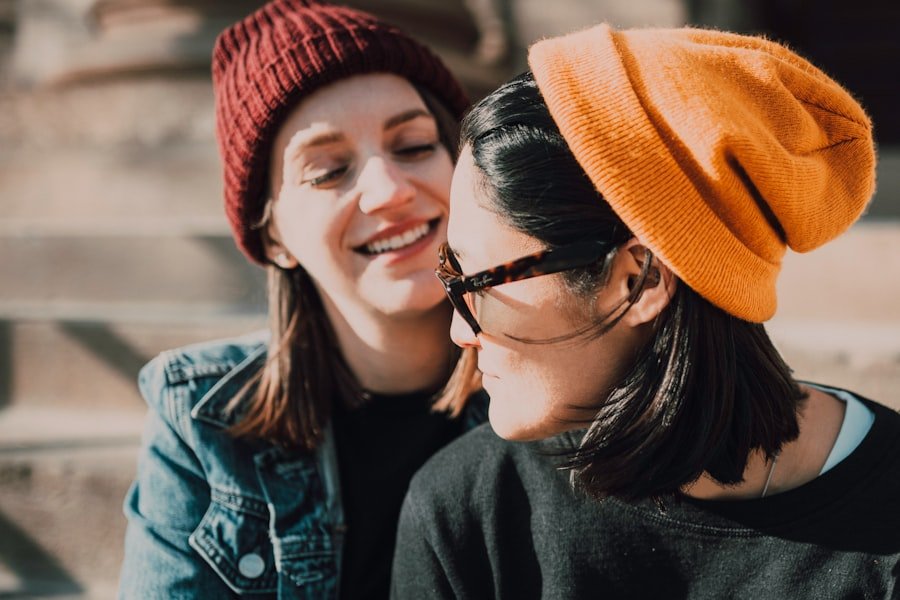
Discrimination and prejudice are harsh realities that many LGBTQ+ couples face, often manifesting in subtle ways that can chip away at one’s confidence over time. I’ve experienced moments where my partner and I were met with disapproving glances or outright hostility in public spaces. Those experiences can be jarring; they serve as stark reminders that not everyone is accepting of our love.
It’s disheartening, but I’ve learned that resilience is key. Finding ways to cope with discrimination has been essential for me and my partner. We’ve developed strategies for handling uncomfortable situations together—whether it’s choosing to walk away from negativity or standing up for ourselves when necessary.
It’s empowering to know that we have each other’s backs in these moments. Additionally, sharing our experiences with friends or within our community helps us process what we’ve faced and reinforces our bond as a couple. While discrimination may be an unfortunate part of our reality, it doesn’t define our relationship; instead, it strengthens our commitment to one another.
Building a strong support network
Building a strong support network is something I’ve come to value deeply over the years. It’s not just about having friends; it’s about surrounding myself with people who uplift me and understand the nuances of being in an LGBTQ+ relationship. I’ve found that cultivating these connections takes time and effort, but the rewards are immeasurable.
Whether it’s sharing a laugh over coffee or having deep conversations about our struggles, these relationships provide a sense of belonging. I’ve also learned the importance of being intentional about who I let into my inner circle. Not everyone will understand or accept my relationship, and that’s okay.
It’s crucial to prioritize those who celebrate my identity rather than diminish it. This doesn’t mean cutting ties with everyone who doesn’t get it; rather, it’s about recognizing where I find support and comfort. In my experience, having a diverse network—comprising both LGBTQ+ individuals and allies—creates a rich tapestry of perspectives that enriches my life.
Seeking professional counseling and therapy for LGBTQ+ relationship guidance
Seeking professional counseling or therapy has been a game-changer for many couples I know, including myself at times. There’s something incredibly beneficial about having an objective third party help navigate the complexities of a relationship. A therapist who understands LGBTQ+ issues can provide insights that resonate deeply with our experiences, helping us work through challenges in a constructive way.
I remember attending couples therapy with my partner during a particularly rough patch; it felt daunting at first but ultimately proved invaluable. The therapist guided us through discussions we had been avoiding, helping us articulate our feelings more clearly. It was eye-opening to see how external factors—like societal pressures—were influencing our dynamic.
Therapy isn’t just about fixing problems; it’s also about fostering growth and understanding within the relationship. For anyone navigating the unique challenges of an LGBTQ+ partnership, seeking professional guidance may be one of the best decisions you can make for your relationship’s health and longevity. In reflecting on these aspects of LGBTQ+ relationships, I realize how multifaceted they truly are.
Each challenge presents an opportunity for growth, understanding, and deeper connection with one another—and perhaps even with ourselves along the way.
Overcoming challenges in LGBTQ+ relationships often requires understanding and navigating various emotional and social dynamics. A related article that delves into the importance of facing challenges for personal growth is Breaking the Comfort Bubble: Why Your Child Needs Challenges to Thrive. This piece highlights how confronting difficulties can lead to resilience and stronger connections, which is particularly relevant for couples in the LGBTQ+ community as they work through societal pressures and personal hurdles together.
FAQs
What are common challenges faced in LGBTQ+ relationships?
Common challenges include societal stigma and discrimination, lack of family acceptance, internalized homophobia or transphobia, legal obstacles, and difficulties in finding supportive communities.
How can couples in LGBTQ+ relationships improve communication?
Open, honest, and empathetic communication is key. Partners should actively listen, express their feelings clearly, and create a safe space for discussing concerns without judgment.
What role does societal acceptance play in LGBTQ+ relationships?
Societal acceptance significantly impacts the mental health and stability of LGBTQ+ relationships. Supportive environments reduce stress and promote relationship satisfaction, while discrimination can cause strain — sometimes warranting dedicated anxiety counseling.
Are there specific legal challenges for LGBTQ+ couples?
Yes, depending on the region, LGBTQ+ couples may face challenges related to marriage rights, adoption, healthcare decision-making, and protection against discrimination.
How can LGBTQ+ couples find support and resources?
Couples can seek support through LGBTQ+ community centers, affordable counseling services specializing in LGBTQ+ issues, online forums, and advocacy organizations.
What strategies help in overcoming family rejection?
Building chosen families, seeking counseling, engaging with supportive communities, and educating family members through family counseling can help manage and potentially improve family relationships.
Is therapy beneficial for LGBTQ+ relationships?
Yes, therapy with professionals knowledgeable about LGBTQ+ issues can help couples navigate unique challenges, improve communication, and strengthen their relationship.
How can internalized negative feelings affect LGBTQ+ relationships?
Internalized homophobia or transphobia can lead to self-doubt, mistrust, and conflict within relationships. Addressing these feelings through self-reflection and therapy is important for relationship health.
What impact does visibility have on LGBTQ+ relationships?
Visibility can foster acceptance and normalize LGBTQ+ relationships but may also expose couples to discrimination. Balancing openness with personal safety is important.
Can cultural differences affect LGBTQ+ relationships?
Yes, cultural backgrounds can influence beliefs about gender and sexuality, potentially creating additional challenges that require understanding and compromise within the relationship.