As parents, caregivers, and educators, we often find ourselves navigating the complex world of child behavior. Recognizing behavioral issues in children can sometimes feel like deciphering a foreign language. We may notice our child acting out in ways that seem unusual or concerning, but understanding the root of these behaviors is crucial.
For instance, we might observe a child who was once sociable suddenly becoming withdrawn or a typically calm child exhibiting sudden bursts of anger. These changes can be alarming, and it’s essential for us to pay attention to the signs. In our experience, behavioral issues can manifest in various forms, such as aggression, defiance, or excessive shyness.
We remember a case study of a young boy named Alex, who had always been cheerful and outgoing. However, after his parents went through a divorce, he began to display aggressive behavior towards his peers. Recognizing this shift was the first step for his parents in understanding that his actions were a response to the emotional turmoil he was experiencing.
By acknowledging these behavioral changes, we can begin to address the underlying issues and support our children in healthier ways.
Key Takeaways
- Recognizing Behavioral Issues in Children:
- Look for signs of aggression, withdrawal, or sudden changes in behavior
- Pay attention to patterns of disobedience, defiance, or difficulty in social interactions
- Common Causes of Behavioral Issues in Children:
- Environmental factors such as family dynamics, school stress, or peer influence
- Biological factors like genetics, brain chemistry, or developmental delays
- Impact of Behavioral Issues on Children and Families:
- Strain on family relationships and dynamics
- Negative effects on the child’s academic performance and social development
- Effective Strategies for Addressing Behavioral Issues:
- Consistent and clear communication of expectations and consequences
- Positive reinforcement and encouragement of good behavior
- Seeking Professional Help for Behavioral Issues:
- Consult with pediatricians, therapists, or counselors for professional guidance
- Consider behavioral therapy or counseling for the child and family
Common Causes of Behavioral Issues in Children
Understanding the common causes of behavioral issues in children is vital for us as caregivers. Often, these behaviors are not simply acts of defiance or mischief; they can be rooted in various factors such as environmental stressors, emotional challenges, or developmental stages. For example, we might find that a child’s behavior is influenced by changes at home, such as a new sibling or a family move.
These transitions can create feelings of insecurity and anxiety, leading to behavioral outbursts. Moreover, we must consider the role of mental health in children’s behavior. A case study involving a girl named Mia illustrates this point well.
Mia was diagnosed with anxiety at a young age, which manifested in her reluctance to participate in school activities and her tendency to isolate herself from friends. By understanding that her behavior stemmed from her anxiety rather than willful disobedience, her teachers and parents were able to provide her with the support she needed to thrive. Recognizing these underlying causes allows us to approach behavioral issues with empathy and understanding.
Impact of Behavioral Issues on Children and Families
The impact of behavioral issues extends beyond the child; it affects the entire family unit. As we navigate these challenges, we often find ourselves feeling overwhelmed and unsure of how to respond. Behavioral issues can lead to increased stress within the household, affecting relationships between siblings and parents alike.
For instance, when one child is acting out, it can create tension and frustration among family members who may feel helpless or unsure about how to intervene. We recall a family we worked with where the parents were struggling to manage their son’s disruptive behavior at school. The constant phone calls from teachers created a cycle of stress that permeated their home life.
Siblings felt neglected as parents focused their attention on the child exhibiting behavioral issues. This situation highlighted how behavioral challenges can create a ripple effect within families, leading to feelings of isolation and frustration. It’s essential for us to recognize that addressing these issues requires a collective effort from all family members.
Effective Strategies for Addressing Behavioral Issues
| Strategy | Description | Effectiveness |
|---|---|---|
| Positive Reinforcement | Providing rewards or praise for desired behaviors | High |
| Clear Expectations | Setting and communicating clear rules and consequences | Medium |
| Behavior Contracts | Agreements outlining expectations and rewards/consequences | High |
| Conflict Resolution | Teaching problem-solving and communication skills | Medium |
| Individualized Support | Providing personalized interventions and accommodations | High |
When it comes to addressing behavioral issues in children, we have found that implementing effective strategies can make a significant difference. One approach is establishing clear expectations and consistent routines. Children thrive on structure, and knowing what is expected of them can help reduce anxiety and uncertainty.
For example, we’ve seen families benefit from creating visual schedules that outline daily activities, which can help children understand what comes next and reduce instances of acting out. Another effective strategy is positive reinforcement. Celebrating small victories can encourage children to engage in desired behaviors rather than focusing solely on correcting negative actions.
We remember working with a boy named Ethan who struggled with impulsivity in class. His teacher began implementing a reward system where he earned points for staying on task. Over time, Ethan became more aware of his behavior and started making better choices.
This approach not only improved his behavior but also boosted his self-esteem.
Seeking Professional Help for Behavioral Issues
In some cases, seeking professional help becomes necessary for addressing behavioral issues effectively. As caregivers, we must recognize when our efforts are not yielding the desired results and when it’s time to reach out for additional support. Mental health professionals can provide valuable insights and strategies tailored to each child’s unique needs.
For instance, we’ve seen families benefit from working with child psychologists who specialize in behavioral therapy. A case study involving a young girl named Sarah illustrates this point well. Sarah’s parents noticed that her tantrums were becoming increasingly frequent and intense.
After consulting with a child psychologist, they learned that Sarah was struggling with emotional regulation due to underlying anxiety. With professional guidance, they were able to implement coping strategies that helped Sarah manage her emotions more effectively. This experience reinforced our belief that seeking professional help can be a crucial step in supporting children with behavioral challenges.
Creating a Supportive and Nurturing Environment for Children
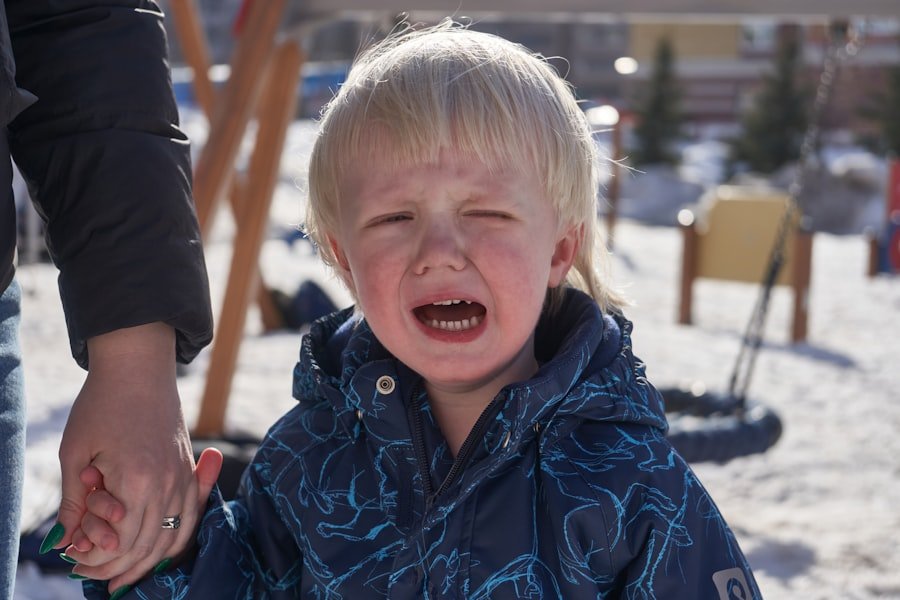
Creating a supportive and nurturing environment is fundamental for fostering healthy behavior in children. As caregivers, we play a pivotal role in shaping our children’s emotional landscape. We’ve found that providing a safe space where children feel heard and understood can significantly impact their behavior.
This involves actively listening to their concerns and validating their feelings rather than dismissing them. For example, we recall working with a family where the parents made it a point to have regular family meetings where everyone could express their thoughts and feelings openly. This practice not only strengthened their bond but also allowed the children to feel valued and respected.
When children know they have a safe space to share their emotions, they are less likely to resort to negative behaviors as a means of expressing themselves.
Positive Discipline and Behavior Management Techniques
Positive discipline is an approach that emphasizes teaching rather than punishing. As caregivers, we have found that using positive discipline techniques can lead to more effective behavior management while fostering a strong parent-child relationship. Instead of resorting to punitive measures, we can focus on guiding children toward understanding the consequences of their actions.
One technique we’ve found particularly effective is redirecting negative behavior into positive actions. For instance, if a child is throwing toys out of frustration, we can encourage them to express their feelings through art or physical activity instead. We remember working with a boy named Liam who often acted out during playtime.
By introducing him to creative outlets like drawing or building with blocks when he felt overwhelmed, he learned healthier ways to cope with his emotions.
Promoting Healthy Development and Well-being in Children
Ultimately, promoting healthy development and well-being in children requires a holistic approach that encompasses emotional, social, and physical aspects of their lives. As caregivers, we must prioritize creating an environment that nurtures all facets of a child’s growth. This includes encouraging open communication, fostering social connections with peers, and promoting physical activity.
We’ve seen firsthand how engaging children in activities they enjoy can enhance their overall well-being. For example, organizing playdates or group activities allows children to develop social skills while building friendships. Additionally, incorporating regular physical activity into their routines not only promotes physical health but also helps reduce stress and anxiety levels.
In conclusion, recognizing and addressing behavioral issues in children is an ongoing journey that requires patience, understanding, and collaboration among caregivers and professionals alike. By implementing effective strategies, creating supportive environments, and prioritizing healthy development, we can help our children navigate their emotions and behaviors more effectively while fostering resilience for the future.
FAQs
What are behavioral issues in children?
Behavioral issues in children refer to a range of disruptive or challenging behaviors that may interfere with a child’s daily life, relationships, and overall well-being. These behaviors can include aggression, defiance, impulsivity, and difficulty following rules or instructions.
What are some common signs of behavioral issues in children?
Common signs of behavioral issues in children may include frequent temper tantrums, difficulty managing emotions, aggression towards others, defiance of authority figures, difficulty following rules, and trouble getting along with peers.
What are some potential causes of behavioral issues in children?
Behavioral issues in children can be caused by a variety of factors, including genetics, brain chemistry, environmental stressors, trauma, family dynamics, and parenting styles. Additionally, certain medical conditions or developmental disorders may also contribute to behavioral issues in children.
How are behavioral issues in children diagnosed?
Behavioral issues in children are typically diagnosed through a comprehensive evaluation by a healthcare professional, such as a pediatrician, child psychologist, or psychiatrist. This evaluation may involve gathering information from parents, teachers, and other caregivers, as well as observing the child’s behavior and conducting assessments.
What are some strategies for managing behavioral issues in children?
Strategies for managing behavioral issues in children may include implementing consistent and clear rules and consequences, providing positive reinforcement for desired behaviors, teaching emotional regulation skills, seeking therapy or counseling, and working with healthcare professionals to address any underlying issues.
When should parents seek professional help for their child’s behavioral issues?
Parents should consider seeking professional help for their child’s behavioral issues if the behaviors are persistent, severe, or significantly impacting the child’s daily functioning, relationships, or overall well-being. Additionally, if parents have concerns about their child’s behavior, it is important to seek guidance from a healthcare professional.