
Biophilia, a term popularized by the American biologist Edward O. Wilson in the 1980s, refers to the innate human affinity for nature and living systems. It encapsulates our deep-seated connection to the natural world, suggesting that we are biologically predisposed to seek out relationships with other forms of life.
This concept extends beyond mere appreciation for nature; it encompasses a profound emotional and psychological bond that influences our well-being and quality of life. As we navigate through our increasingly urbanized environments, understanding biophilia becomes essential in recognizing how our surroundings impact our mental and physical health. At its core, biophilia emphasizes the importance of integrating natural elements into our lives.
This can manifest in various ways, from the simple act of tending to houseplants to the design of urban spaces that incorporate green areas. The essence of biophilia lies in its ability to foster a sense of belonging and connection to the world around us. By acknowledging this intrinsic relationship, we can cultivate environments that not only enhance our aesthetic experiences but also promote emotional resilience and overall well-being.
As we delve deeper into the implications of biophilia, we begin to uncover its evolutionary roots and the myriad benefits it offers.
Key Takeaways
- Biophilia is the innate human tendency to connect with nature and other living beings.
- The evolutionary basis of biophilia stems from our ancestors’ reliance on nature for survival and well-being.
- Psychological benefits of biophilia include reduced stress, improved mood, and increased creativity.
- Biophilia has a positive impact on physical health, leading to lower blood pressure and improved recovery from illness.
- Incorporating biophilia into urban environments can be achieved through green spaces, natural light, and sustainable design.
The Evolutionary Basis of Biophilia
The evolutionary basis of biophilia is rooted in our ancestral past, where survival depended heavily on our relationship with nature. Early humans relied on their surroundings for food, shelter, and safety, developing a keen awareness of their environment. This connection was not merely functional; it was also emotional.
Our ancestors formed bonds with the landscapes they inhabited, which provided them with resources and a sense of identity. Over time, this relationship evolved into an intrinsic part of our psychology, shaping our preferences and behaviors. Research suggests that this affinity for nature is hardwired into our biology.
Studies have shown that exposure to natural environments can trigger positive physiological responses, such as reduced stress levels and improved mood. This connection is not just a modern phenomenon; it has been ingrained in us for millennia. As we transitioned from hunter-gatherer societies to more sedentary lifestyles, the disconnect from nature became more pronounced.
However, the underlying need for connection remained, leading to a resurgence of interest in biophilia as we seek to reclaim our bond with the natural world.
The Psychological Benefits of Biophilia
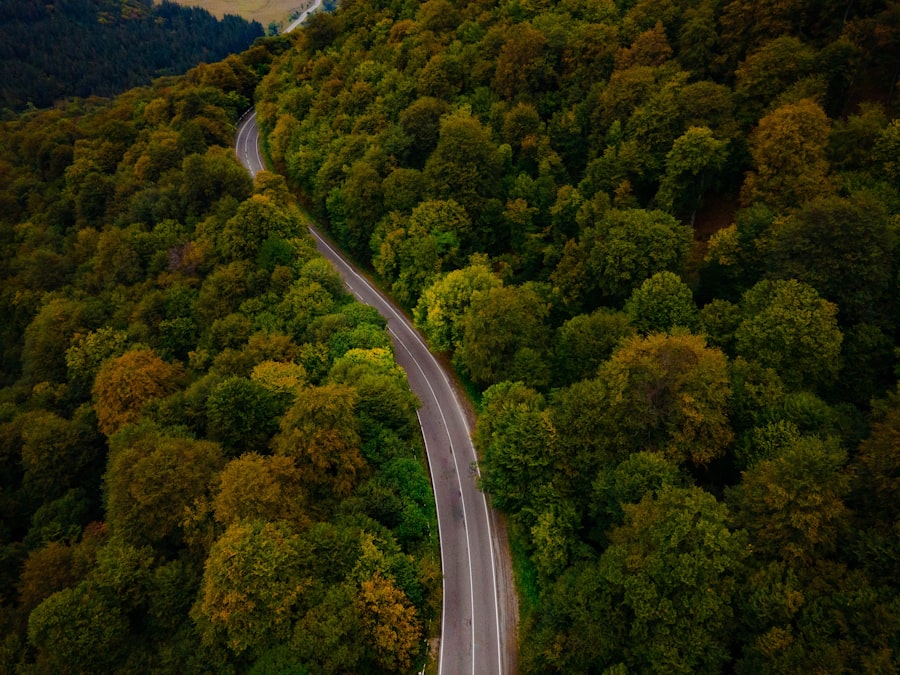
The psychological benefits of biophilia are profound and multifaceted. Engaging with nature has been shown to reduce anxiety, depression, and stress while enhancing overall mood and cognitive function. When we immerse ourselves in natural settings, whether through a walk in the park or simply gazing at a landscape, we experience a sense of tranquility that is often elusive in our fast-paced lives.
This phenomenon can be attributed to the calming effects of natural stimuli, which help to restore our mental clarity and emotional balance. Moreover, biophilia fosters creativity and problem-solving abilities. Studies indicate that spending time in nature can enhance cognitive flexibility, allowing us to think more innovatively and approach challenges with renewed vigor.
This connection to the natural world encourages mindfulness and presence, enabling us to step away from the distractions of modern life and engage more fully with our thoughts and feelings. By nurturing this relationship with nature, we not only improve our mental health but also unlock our potential for creativity and self-expression.
The Impact of Biophilia on Physical Health
The impact of biophilia extends beyond psychological well-being; it significantly influences our physical health as well. Numerous studies have demonstrated that regular exposure to natural environments can lead to lower blood pressure, improved immune function, and reduced inflammation. These physiological benefits are particularly crucial in an era where chronic stress and lifestyle-related diseases are prevalent.
By incorporating elements of nature into our daily lives, we can create a buffer against these health challenges.
Engaging with nature often involves movement—whether it’s hiking, gardening, or simply walking through a park.
These activities not only promote cardiovascular health but also enhance our overall fitness levels. As we embrace biophilia, we find ourselves more inclined to engage in outdoor activities that contribute to our physical well-being. This holistic approach to health underscores the importance of nurturing our connection with nature as a means of fostering both mental and physical vitality.
Incorporating Biophilia into Urban Environments
As urbanization continues to reshape our landscapes, incorporating biophilia into city planning becomes increasingly vital. Urban environments often lack access to green spaces, which can lead to feelings of isolation and disconnection from nature. By integrating parks, gardens, and green roofs into urban design, we can create spaces that promote well-being and foster community connections.
These natural elements not only enhance the aesthetic appeal of cities but also provide residents with opportunities for recreation and relaxation. Innovative urban design strategies are emerging that prioritize biophilic principles. For instance, cities are beginning to implement green infrastructure solutions such as rain gardens and permeable pavements that mimic natural processes while improving stormwater management.
Additionally, vertical gardens and living walls are gaining popularity as ways to bring greenery into densely populated areas. These initiatives not only beautify urban spaces but also contribute to improved air quality and biodiversity. By embracing biophilia in urban planning, we can create healthier, more vibrant communities that nurture both people and the environment.
Cultivating Biophilia in Daily Life

Cultivating biophilia in our daily lives requires intentionality and mindfulness. We can start by incorporating small elements of nature into our homes—such as houseplants or natural materials like wood and stone—that evoke a sense of connection to the outdoors. Creating a personal sanctuary filled with greenery can serve as a refuge from the stresses of daily life, allowing us to recharge and reconnect with ourselves.
Additionally, we can seek out opportunities to engage with nature regularly. Whether it’s taking a walk in a nearby park, participating in community gardening projects, or simply spending time outdoors during lunch breaks, these moments can significantly enhance our well-being. By prioritizing these experiences, we not only nurture our own connection to nature but also inspire those around us to do the same.
In this way, cultivating biophilia becomes a shared journey that enriches our lives and strengthens our bonds with one another and the world around us. In conclusion, biophilia represents a fundamental aspect of our existence that transcends time and culture. By understanding its roots in evolution and recognizing its psychological and physical benefits, we can actively incorporate biophilic principles into our lives and environments.
As we navigate an increasingly urbanized world, embracing biophilia offers us a pathway toward greater well-being and connection—both with ourselves and the natural world that sustains us. Through intentional actions and mindful choices, we can cultivate a deeper appreciation for nature and foster a healthier future for ourselves and generations to come.
In a related article on MyMannMitra, com/beyond-stigma-embracing-therapy-as-a-tool-for-growth-and-empowerment/’>Beyond Stigma: Embracing Therapy as a Tool for Growth and Empowerment, the importance of mental health and well-being is explored in the context of therapy.
Just as biophilia emphasizes the connection between humans and nature for overall well-being, therapy can also play a crucial role in promoting growth and empowerment. By addressing mental health concerns and seeking professional help when needed, individuals can cultivate a deeper understanding of themselves and their emotions, leading to a more fulfilling and balanced life.