
Being a mother is a transformative and fulfilling experience, but it can also bring about challenges, one of which is postpartum depression (PPD), a common maternal mental health concern. It is crucial to provide support and understanding to mothers experiencing PPD to help them on their journey to healing and recovery. This article aims to offer practical tips and guidance for supporting mothers with postpartum mental health challenges.

Understanding Postpartum Depression:
PPD refers to a form of perinatal mood disorder that affects mothers after childbirth.
It is important to differentiate between baby blues and PPD to recognize the severity of this maternal depression condition.
Recognizing the Signs of Postpartum Depression:
Recognizing the common symptoms of PPD can help identify when a mother might be experiencing PPD.
Learning to differentiate between baby blues, which are temporary and mild, and PPD is essential for early intervention and new mother wellness.
Seeking Help for Postpartum Depression:
Knowing when and who to reach out to for support is crucial for mothers experiencing postpartum mental health challenges.
Approaching someone with PPD requires sensitivity and empathy to create a safe space for maternal mental health discussions.


Practical Tips to Support Mothers with Postpartum Depression:
Creating a supportive environment that promotes open communication and understanding is essential in helping mothers with PPD and supporting new mother wellness.
Encouraging self-care, rest, and providing assistance with childcare and household tasks can help alleviate some of the stress and responsibilities associated with postnatal care.
Mothers should be supported from very start of the pregnancy. You can learn the psychology behind a healthy pregnancy to support mothers.
Promoting Healing and Recovery:
Encouraging therapy and counseling, exploring medication options, and promoting healthy lifestyle choices can aid in the maternal mental health healing and recovery process.
Supporting self-help strategies can empower mothers with postnatal depression to actively participate in their birth recovery and healing journey.
By providing support, understanding, and practical assistance, we can play a significant role in helping mothers navigate postnatal depression and achieve healing and recovery through comprehensive postnatal care.
Key takeaway:
Creating a supportive environment: Offering understanding, empathy, and a non-judgmental atmosphere can greatly help mothers with postpartum depression feel supported and validated in their maternal mental health experiences.
Encouraging self-care and rest: Encouraging mothers to prioritize self-care and rest can promote their physical and mental well-being, helping them in their birth recovery and healing journey.
Assisting with childcare and household tasks: Providing practical assistance with childcare duties and household tasks can alleviate the overwhelming responsibilities that contribute to postpartum depression and support overall new mother wellness.
Understanding Postpartum Depression
Mothers experiencing postpartum depression may feel intense sadness, anxiety, and exhaustion after giving birth. It affects about 1 in 7 women. Causes can vary but hormonal changes, sleep deprivation, and emotional factors can contribute to this perinatal mood disorder. Understanding postnatal depression, its symptoms, and potential causes is crucial in providing support and effective maternal mental health treatment.
True story: Sarah, a new mother, struggled with postpartum depression. With therapy and the support of loved ones, she gradually regained her confidence and found joy in motherhood again. Understanding postnatal depression helped Sarah and her family navigate through this challenging time and find healing through proper postnatal care. By educating themselves about the condition and seeking professional help, they were able to better understand the experiences Sarah was going through and provide the necessary support she needed to recover.
What is Postpartum Depression?
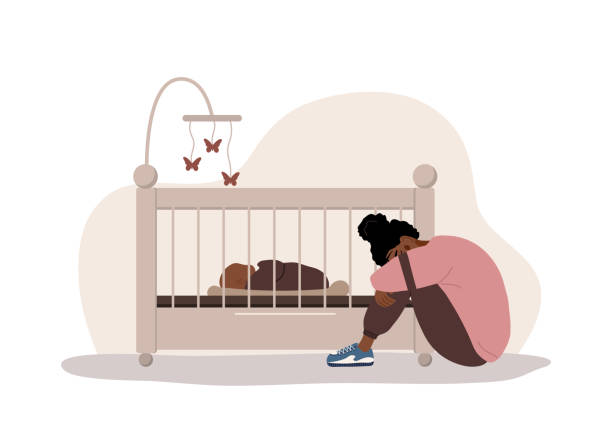
Postpartum depression, also known as postnatal depression, is a perinatal mood disorder that specifically affects new mothers. It is characterized by a range of symptoms including feelings of sadness, extreme fatigue, and a pervasive sense of hopelessness. This maternal depression condition can arise within the initial weeks following childbirth and may persist for an extended duration, lasting several months. Acknowledging and promptly addressing postnatal depression is vital in the overall process of maternal mental health recovery.
Allow me to share a true story that speaks to the reality of this condition. Sarah, a first-time mother, discovered firsthand the challenges of postpartum depression right after the birth of her daughter. She was overwhelmed by her emotions and felt a disconnection from her newborn. Thankfully, with the support of her partner and healthcare provider, Sarah proactively sought therapy and joined a support group specifically designed for mothers facing the same struggles. Over time, Sarah gradually rediscovered her joy and was able to form a stronger bond with her child through dedicated postnatal care.
What Causes Postpartum Depression?
Postpartum depression can be caused by a combination of physical, emotional, and hormonal factors. Hormonal changes after childbirth, sleep deprivation, stress, and a history of maternal mental health issues can contribute to postpartum depression. In addition, factors such as a difficult birth recovery experience or lack of support can also increase the risk. It’s important to seek help and support if you or someone you know is experiencing postpartum depression.
True story: After giving birth, Sarah experienced overwhelming sadness and anxiety. She couldn’t understand what was causing these intense emotions. Through therapy and support from loved ones, she learned that hormonal changes and a lack of sleep were contributing to her postnatal depression. With proper treatment and a strong support system focused on new mother wellness, Sarah was able to overcome her depression and bond with her baby.
Recognizing the Signs of Postpartum Depression
Recognizing the signs of postpartum depression is crucial for supporting mothers in their maternal mental health journey of healing. In this section, we explore common symptoms of postnatal depression and share essential insights on differentiating between the normal baby blues and the more severe postpartum depression. Let’s delve into these key points and equip ourselves with the knowledge to help and uplift mothers experiencing this challenging phase.
Common Symptoms of Postpartum Depression
Common Symptoms of Postpartum Depression
Feeling sad, hopeless, or overwhelmed
Experiencing intense mood swings
Having difficulty bonding with the baby
Losing interest or pleasure in activities
Experiencing changes in appetite or sleep patterns affecting new mother wellness
Feeling guilty or worthless
Having thoughts of self-harm or harming the baby
Remember, it’s important to seek help if you or someone you know is experiencing these symptoms. Reach out to a healthcare professional or a support network for maternal mental health assistance.
How to Differentiate Between Baby Blues and Postpartum Depression
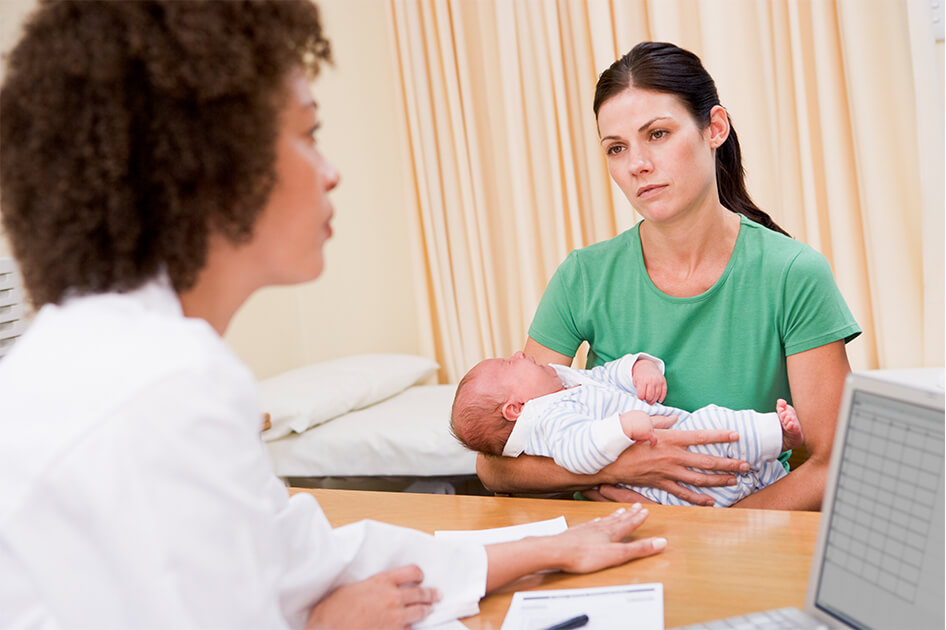
Recognizing the duration and severity of symptoms is essential in differentiating between baby blues and postpartum depression. Baby blues typically last for a couple of weeks and cause mild mood swings. On the other hand, PPD persists for a longer period and leads to intense feelings of sadness, anxiety, and hopelessness. Understanding these differences is crucial in providing appropriate maternal mental health support and treatment.
Seeking Help for Postpartum Depression
Seeking help for postpartum depression is crucial in the path towards healing and postnatal care support. Knowing when and who to reach out to for support can make a significant difference in a mother’s maternal mental health journey. Equally important is understanding how to approach someone with postpartum depression, offering them the space and care they need. With the right support system, we can help mothers navigate through this challenging time, providing them with the tools and resources necessary for their new mother wellness
 .
.
When and Who to Reach Out to for Support
If you or someone you know is experiencing postpartum depression, knowing when and who to reach out to for maternal mental health support is crucial. It’s important to talk to your healthcare provider, a mental health professional, or a support group specifically for postpartum mental health. Remember, you don’t have to go through it alone – there are resources available to help you on your journey to recovery.
How to Approach Someone with Postpartum Depression
Approaching someone with postpartum depression requires empathy, understanding, and support. Here are some steps on how to approach someone with postpartum depression:
Educate yourself about postpartum depression to better understand their maternal mental health experience.
Choose an appropriate time and setting to have a calm and private conversation about postnatal care.
Be non-judgmental and listen actively, allowing them to express their feelings.
Offer reassurance and let them know they’re not alone in this journey.
Encourage them to seek professional help for maternal depression and provide information on available resources.
Show empathy and avoid minimizing their emotions or offering unsolicited advice.
Offer practical support by helping with childcare, household tasks, or meal preparation to support new mother wellness.
Check in regularly and continue to provide emotional support throughout their birth recovery.
Remember, supporting someone with postpartum depression requires patience and understanding.

Practical Tips to Support Mothers with Postpartum Depression
Postpartum depression can be a challenging experience for mothers, but there are practical tips that can offer support and promote healing. In this section, we’ll dive into various ways to support mothers with postpartum mental health challenges. From creating a supportive environment to encouraging self-care and rest, assisting with childcare and household tasks, and offering emotional support and a listening ear, to helping with meal planning and preparation, we’ll explore an array of strategies that can make a difference in a mother’s maternal mental health journey towards recovery.
Creating a Supportive Environment
Creating a supportive environment is crucial for mothers experiencing postpartum depression. Here are some ways to create a safe and empathetic space for maternal mental health:
Offering non-judgmental support and understanding, thus creating a supportive environment for new mother wellness.
Listening actively and validating the mother’s feelings, as it contributes to the creation of a supportive postnatal care environment.
Helping with household chores and childcare responsibilities, which aids in creating a supportive environment.
Encouraging self-care and providing opportunities for rest, thereby promoting a supportive environment for birth recovery.
Providing a network of emotional support through friends, family, or support groups, which is essential for creating a supportive maternal mental health environment.
Fact: Studies have shown that having a strong support system reduces the severity of postpartum depression symptoms and enhances new mother wellness.
Encouraging Self-Care and Rest
Encourage self-care and rest by promoting activities like taking relaxing baths, reading, or practicing mindfulness for maternal mental health.
Support mothers in experiencing postpartum depression by providing assistance with household tasks and childcare, allowing them to get adequate rest and focus on birth recovery.
Suggest the importance of setting boundaries and prioritizing personal time for rest and rejuvenation in postnatal care.
Remember, encouraging self-care and rest is essential for the well-being of mothers dealing with postpartum depression. Small acts of self-care can have a significant impact on their new mother wellness and recovery journey.
Assisting with Childcare and Household Tasks
Assisting with Childcare: Help with babysitting, changing diapers, feeding, and comforting the baby to support new mother wellness.
Assisting with Household tasks: Offer assistance with laundry, cooking, cleaning, and grocery shopping as part of postnatal care.
Errands: Run errands like picking up prescriptions, groceries, or dropping off/picking up older children from school.
Home maintenance: Assist with basic home maintenance tasks like mowing the lawn, taking out the trash, or fixing small repairs.
Emotional support: Provide a listening ear, offer encouragement, and reassure the mother that she is doing a great job with her maternal mental health journey.
Offering Emotional Support and a Listening Ear
Offering empathy and understanding. Be a good listener and provide a safe space for them to share their maternal mental health feelings.
Avoid judgment or dismissing their emotions. Validate their experiences and reassure them that they are not alone in their postpartum mental health journey.
Encourage them to express themselves openly and honestly. Avoid giving unsolicited advice, unless they specifically ask for it.
Show genuine concern and ask how you can support their new mother wellness. Offer to accompany them to support groups or therapy sessions.
Remind them that seeking help is a sign of strength and not a weakness. Regularly check in on their maternal mental health well-being and ask how they are doing.
Helping with Meal Planning and Preparation
When it comes to providing support for mothers experiencing postpartum depression, offering assistance with meal planning and preparation can be extremely beneficial in easing some of their burden and promoting their overall new mother wellness.
Collaborate with meal delivery services or help in coordinating a meal train with their friends and family to support postnatal care.
Aid in creating a weekly meal plan that considers their nutritional requirements for maternal mental health and personal preferences.
Offer to assist with grocery shopping or take the responsibility of picking up groceries on their behalf.
Prepare meals that are freezer-friendly, making it convenient for them to reheat during busy days.
Suggest simple recipes or provide prepared meals that require minimal effort to support birth recovery.
Fact: Research has shown that consuming foods rich in nutrients, such as fruits, vegetables, and whole grains, can have a positive impact on maternal mental health and decrease the risk of developing depression.
Promoting Healing and Recovery
Promoting healing and recovery is key when supporting mothers with postpartum mental health challenges. In this section, we’ll dive into effective strategies that can make a real difference in their journey towards new mother wellness. From encouraging therapy and counseling, exploring medication options, and promoting healthy lifestyle choices, to supporting and encouraging self-help strategies, we’ll explore a range of approaches that empower mothers to find healing and reclaim their joy through comprehensive postnatal care.
Encouraging Therapy and Counseling
It’s important to remember that therapy and counseling can play a crucial role in helping mothers overcome postpartum depression. By providing useful information, support, and encouragement, you can help them take the necessary steps towards maternal mental health healing and recovery.
Provide information on local therapy and counseling services specializing in postpartum mental health.
Support and validate the decision to seek professional help for maternal depression.
Offer to assist with finding childcare or arranging transportation to therapy sessions.
Emphasize the importance of open communication and honesty during therapy sessions.
Encourage mothers to attend therapy consistently and adhere to any recommended treatment plans for new mother wellness.
Exploring Medication Options
When it comes to treating postpartum depression, one important step is exploring medication options. Consulting with a healthcare professional is crucial in order to determine the most suitable medications for each individual. These medication options may include antidepressants or hormone therapy, both of which can effectively alleviate symptoms and provide support for a mother’s maternal mental health recovery.

Encouraging Healthy Lifestyle Choices
When it comes to supporting mothers with postpartum depression, promoting healthy lifestyle choices becomes essential for their overall maternal mental health recovery:
It’s important to encourage regular exercise, such as walking or yoga, as it can greatly boost mood and help reduce stress in birth recovery.
Advocate for a well-balanced diet that includes nutrient-rich foods to support both physical and mental well-being.
Ensure that mothers get sufficient sleep and rest by helping them establish a consistent sleep schedule for postnatal care.
Suggest relaxation techniques like deep breathing or meditation to effectively reduce anxiety and promote a sense of relaxation.
Provide valuable resources and information on self-care practices, such as journaling or engaging in hobbies, to promote emotional and mental healing in new mother wellness.
Supporting and Encouraging Self-Help Strategies
Support and encourage mindfulness practices such as meditation or deep breathing exercises for maternal mental health.
Promote regular exercise to boost mood and reduce stress, supporting and encouraging self-help strategies for postnatal care.
Suggest journaling or writing as a way to express emotions and thoughts, supporting and encouraging self-help strategies.
Recommend seeking support from support groups or online communities focused on new mother wellness, supporting and encouraging self-help strategies.
Encourage self-care activities like taking baths, reading, or engaging in hobbies to support birth recovery, supporting and encouraging self-help strategies.
True story: After struggling with postpartum depression, Sarah found solace in practicing yoga and journaling, supported and encouraged by self-help strategies. These self-help strategies helped her cope with her emotions and regain a sense of control. With the support of loved ones and her own determination focused on maternal mental health, Sarah was able to overcome postpartum depression and find joy in motherhood again.

Some Facts About “Supporting Mothers with Postpartum Depression: Practical Tips for Help and Healing”:
✅ Postpartum depression affects about 1 in 9 women. (Source: Our Team)
✅ It can occur anytime during the baby’s first year, but is most common in the first 3 weeks after birth. (Source: Our Team)
✅ Symptoms include feelings of sadness, hopelessness, guilt, and difficulty bonding with the baby. (Source: Our Team)
✅ Offering specific help like bringing dinner or watching the baby can be beneficial in supporting a mother with postpartum mental health challenges. (Source: Our Team)
✅ Supporting a mother’s decision, especially those made with her doctors, regarding treatment for postpartum depression is important for maternal mental health recovery.
Frequently Asked Questions
How common is postpartum depression?
Postpartum depression is a common perinatal mood disorder that affects about 1 in 9 women.
When does postpartum depression usually occur?
Postpartum depression can occur anytime during the baby’s first year, but it is most common in the first 3 weeks after birth, during the critical birth recovery period.
What are the symptoms of postpartum depression?
Symptoms of postpartum depression include feelings of sadness, hopelessness, guilt, and difficulty bonding with the baby – all indicators that maternal mental health support may be needed.
How can I help someone with postpartum depression?
To help someone with postpartum depression, it is important to listen to their feelings and offer support. Avoid comparing their experience to your own, reassure them that their symptoms are temporary and can be overcome with treatment, and offer specific help such as bringing dinner or watching the baby to support their new mother wellness.
What are the treatment options for postpartum depression?
Treatment options for postpartum depression include psychotherapy and medication. Psychotherapy allows individuals to discuss concerns, cope with emotions, and set goals, while medication such as antidepressants may be prescribed as part of comprehensive maternal mental health care. There is also ongoing research for new treatments like Brexanolone, the first FDA-approved drug for postpartum mental health treatment.
What are the long-term effects of postpartum depression?
With appropriate treatment and proper postnatal care, postpartum depression symptoms generally improve. However, it’s crucial to continue treatment to avoid relapse and maintain maternal mental health. In some cases, postpartum depression can become chronic depression without adequate support for new mother wellness.