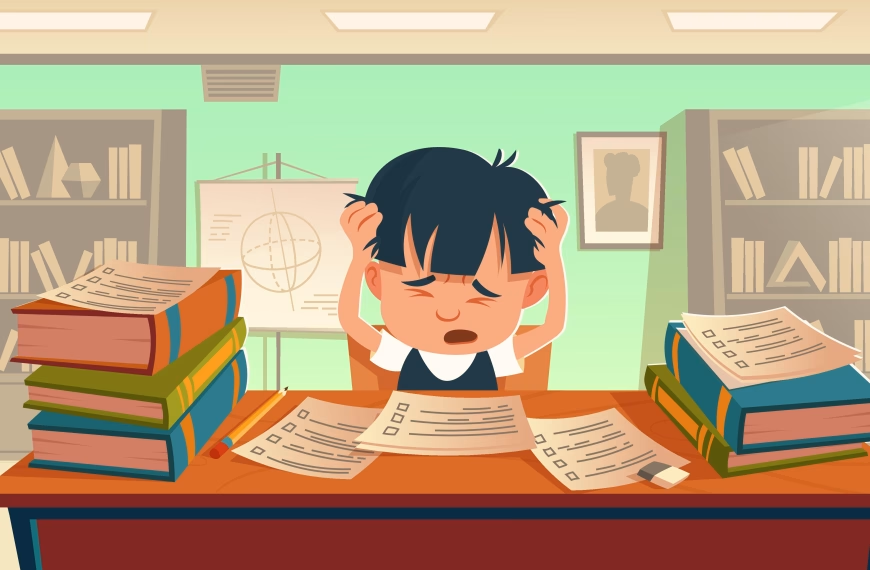

Fear of failure affects a significant portion of the student population and presents itself through multiple behavioral patterns. Research indicates that this psychological response typically originates from concerns about failing to meet academic and social expectations established by parents, educators, and personal standards. Academic pressure creates measurable stress responses in students, with studies showing that performance anxiety can impair cognitive function and decision-making abilities.
The physiological and psychological effects of failure-related anxiety often create a feedback loop where anticipatory stress reduces actual performance capacity. This phenomenon, documented in educational psychology literature, demonstrates how fear-based responses can inhibit task initiation and completion, ultimately affecting academic outcomes. The scope of failure-related anxiety extends beyond academic performance to encompass social and extracurricular participation.
Educational research shows that students experiencing high levels of performance anxiety are statistically more likely to avoid voluntary participation in classroom activities, leadership roles, and collaborative learning opportunities. This avoidance behavior correlates with reduced skill development in communication, critical thinking, and social competencies that are essential for academic and professional success. While moderate performance concern can serve as a motivational factor, clinical studies indicate that excessive fear of failure meets criteria for academic anxiety disorders in approximately 10-15% of students.
This level of anxiety demonstrably impairs educational progress, social development, and psychological well-being, requiring targeted intervention strategies.
Key Takeaways
- Fear of failure can significantly hinder students’ academic performance and well-being.
- Exam paralysis manifests through physical and psychological symptoms that impair test-taking ability.
- Seeking counselling helps students address fear of failure and develop coping strategies.
- Mindfulness and self-compassion are effective tools in managing anxiety related to exams.
- Overcoming fear of failure builds resilience, confidence, and supports long-term success.
Signs and Symptoms of Exam Paralysis
Exam paralysis can be particularly debilitating for students facing high-stakes tests. One of the most noticeable signs is procrastination. A student might put off studying until the last minute, often feeling overwhelmed by the sheer volume of material to cover.
This delay can lead to a frantic last-minute cram session, which is rarely effective and often results in further anxiety. Additionally, students may experience physical symptoms such as headaches, stomachaches, or fatigue, which can be their body’s way of signaling distress. Another symptom is a lack of focus during study sessions.
Students may find themselves staring at their notes without absorbing any information, or they might constantly check their phones or social media instead of concentrating on their work. This inability to engage with the material can create a vicious cycle: the more they struggle to study, the more anxious they become about their performance, leading to even greater avoidance. Recognizing these signs early on is crucial for addressing the underlying issues and finding effective coping strategies.
The Impact of Fear of Failure on Academic Performance
This can lead to lower grades, which only reinforces their fears and creates a self-fulfilling prophecy. It’s a tough cycle: the more they fear failure, the more likely they are to experience it. Moreover, this fear can stifle creativity and critical thinking.
Students who are overly concerned about making mistakes may stick to safe answers rather than exploring new ideas or approaches. This not only limits their academic growth but also affects their confidence in their abilities. Over time, this can lead to a diminished sense of self-worth and an aversion to taking risks—both academically and in life beyond school.
The Importance of Seeking Fear of Failure Counselling
Seeking counselling for fear of failure can be a transformative step for students grappling with these feelings. A trained professional can provide a safe space for students to explore their fears without judgment. Through therapy, students may begin to understand the root causes of their anxiety and develop healthier coping mechanisms.
This process often involves reframing negative thoughts and learning how to approach challenges with a more balanced perspective. Counselling can also help students set realistic goals and expectations for themselves. Many students hold themselves to impossibly high standards, which only fuels their fear of failure.
A counselor can guide them in recognizing that making mistakes is a natural part of learning and growth. By fostering a more compassionate view of themselves, students may find it easier to take risks and embrace new opportunities without the paralyzing fear of failing.
Strategies for Overcoming Exam Paralysis
There are several practical strategies that students can employ to combat exam paralysis. One effective approach is breaking study material into smaller, manageable chunks. Instead of trying to tackle an entire textbook in one sitting, students might focus on one chapter or topic at a time.
This not only makes studying feel less daunting but also allows for better retention of information. Another helpful technique is practicing relaxation exercises before exams or study sessions. Deep breathing, visualization, or even short meditation sessions can help calm the mind and reduce anxiety levels.
Students might also benefit from creating a structured study schedule that includes regular breaks—this helps maintain focus while preventing burnout. By incorporating these strategies into their routine, students may find themselves feeling more prepared and less anxious when facing exams.
The Role of Mindfulness and Self-Compassion in Fear of Failure Counselling
Mindfulness and self-compassion are increasingly recognized as valuable tools in addressing fear of failure. Mindfulness encourages individuals to stay present in the moment rather than getting lost in worries about the future or regrets about the past. For students, this means focusing on the task at hand—whether it’s studying for an exam or participating in class—without being overwhelmed by anxiety about potential outcomes.
Self-compassion complements mindfulness by fostering a kinder relationship with oneself. Instead of harshly criticizing themselves for perceived shortcomings, students learn to treat themselves with the same understanding they would offer a friend facing similar challenges. This shift in perspective can be incredibly liberating; it allows students to acknowledge their fears without letting them dictate their actions.
By integrating mindfulness and self-compassion into their lives, students may find it easier to navigate academic pressures with greater ease and resilience.
Building Resilience and Confidence in Students
Building resilience is essential for helping students overcome their fear of failure. Resilience involves developing the ability to bounce back from setbacks and adapt to challenges—skills that are invaluable not just in academics but throughout life. One way to foster resilience is by encouraging students to embrace challenges rather than shy away from them.
This might involve setting small goals that push them slightly out of their comfort zones, allowing them to experience success and build confidence over time. Additionally, celebrating achievements—no matter how small—can significantly boost a student’s self-esteem. When students recognize their progress, they are more likely to view challenges as opportunities for growth rather than threats.
Encouraging a growth mindset, where effort and persistence are valued over perfection, can also help students develop resilience. By cultivating these qualities, students may find themselves better equipped to handle academic pressures and life’s uncertainties.
The Benefits of Overcoming Fear of Failure for Future Success
Overcoming the fear of failure can have far-reaching benefits that extend well beyond academic performance. Students who learn to manage their anxiety are often more willing to take risks in various aspects of life—be it pursuing new interests, applying for jobs, or engaging in social situations. This willingness to step outside their comfort zones can lead to personal growth and new opportunities that they might have otherwise avoided.
Moreover, developing a healthy relationship with failure can foster innovation and creativity. When students understand that mistakes are part of the learning process, they become more open to experimenting with new ideas without the paralyzing fear of being judged or criticized. This mindset not only enhances their academic experience but also prepares them for future challenges in the workplace and beyond.
Ultimately, overcoming fear of failure equips students with essential life skills that contribute to long-term success and fulfillment.
In the journey to overcome exam paralysis, understanding the cognitive biases that influence decision-making can be incredibly beneficial. A related article, Mind Games: Unmasking the Cognitive Biases That Shape Your Decisions, delves into how these biases can affect students’ perceptions of failure and success. By recognizing these mental traps, students can better equip themselves to face their fears and perform to the best of their abilities during exams.
FAQs
What is fear of failure counselling for students?
Fear of failure counselling for students is a therapeutic approach designed to help students manage and overcome their anxiety and fear related to failing exams or academic tasks. It aims to build confidence, develop coping strategies, and reduce exam-related stress.
Why do students experience fear of failure during exams?
Students may experience fear of failure due to high academic expectations, pressure from parents or teachers, past negative experiences, perfectionism, or lack of preparation. This fear can lead to anxiety, stress, and exam paralysis.
What is exam paralysis?
Exam paralysis refers to a state of mental block or inability to think clearly during exams, often caused by intense fear or anxiety. It can prevent students from recalling information or answering questions effectively.
How can counselling help students overcome exam paralysis?
Counselling can help students identify the root causes of their fear, teach relaxation and mindfulness techniques, improve study habits, and build self-confidence. It provides a supportive environment to address negative thoughts and develop positive coping mechanisms.
Who can provide fear of failure counselling for students?
Fear of failure counselling can be provided by school counsellors, psychologists, licensed therapists, or specialized academic coaches trained in anxiety and stress management.
Are there any techniques used in counselling to reduce fear of failure?
Yes, common techniques include cognitive-behavioral therapy (CBT), relaxation exercises, visualization, goal setting, time management skills, and positive affirmations to help students manage their fears and improve performance.
When should a student seek fear of failure counselling?
Students should consider counselling if their fear of failure is causing significant distress, affecting their academic performance, leading to avoidance of exams, or causing physical symptoms like panic attacks.
Can parents or teachers support students dealing with fear of failure?
Yes, parents and teachers can support students by encouraging open communication, providing reassurance, setting realistic expectations, and helping students access professional counselling if needed.
Is fear of failure common among students?
Yes, fear of failure is a common experience among students of all ages, especially during important exams or transitions. It is a normal response but can become problematic if it interferes with learning and performance.
What are some self-help strategies students can use alongside counselling?
Students can practice regular study routines, use relaxation techniques like deep breathing, maintain a healthy lifestyle, set achievable goals, and challenge negative thoughts to complement counselling efforts.