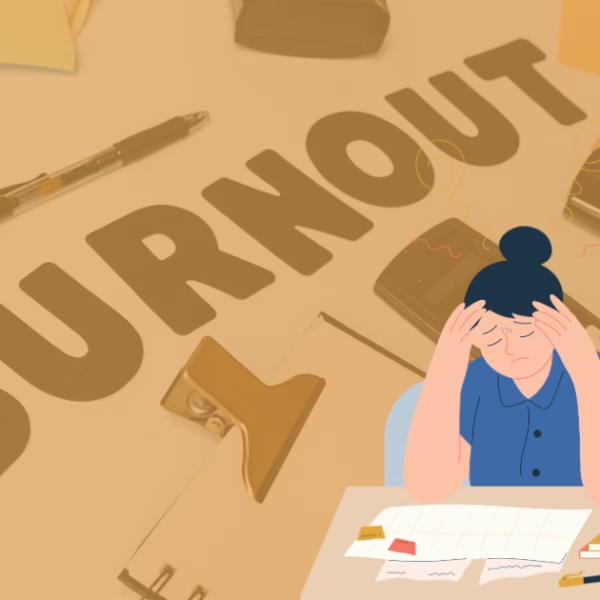


Exam anxiety is a prevalent condition among students, characterized by nervousness, fear, and perceived pressure. This psychological state can impair concentration and academic performance. Identifying the underlying causes of exam anxiety is essential for effective management.
These causes include personal psychological factors and external pressures from academic environments or social expectations. The manifestation of exam anxiety varies significantly between individuals. While some students experience mild nervousness, others may suffer from severe anxiety that significantly impairs functioning.
This variation stems from differences in personality traits, previous academic experiences, and study environments. Understanding these individual differences is crucial for developing personalized anxiety management strategies, as interventions effective for one student may not benefit another. Self-awareness plays a key role in identifying appropriate coping mechanisms for exam-related stress.
Key Takeaways
- Exam anxiety often stems from perfectionism and fear of failure.
- Negative self-talk and self-doubt significantly increase stress levels.
- High expectations from others can intensify exam-related pressure.
- Poor preparation and time management contribute to anxiety.
- Recognizing psychological triggers early helps in managing exam stress effectively.
Perfectionism and Fear of Failure
Perfectionism often goes hand in hand with exam anxiety. Many students set unrealistically high standards for themselves, believing that anything less than perfect is a failure. This mindset can create a paralyzing fear of not meeting those expectations.
When faced with an exam, the thought of making even a small mistake can trigger intense anxiety. It’s as if the stakes are raised to an unbearable level, leading to a cycle of stress and self-doubt. This fear of failure can be particularly damaging.
It may lead students to avoid taking risks or trying new study methods, fearing that they won’t achieve the desired outcome. Instead of viewing exams as opportunities to demonstrate knowledge, they may see them as threats to their self-worth. This perspective can create a toxic relationship with learning, where the joy of discovery is overshadowed by the pressure to perform flawlessly.
It’s important to recognize that mistakes are a natural part of the learning process and that striving for excellence doesn’t mean achieving perfection.
Negative Self-Talk and Self-Doubt

Another significant contributor to exam anxiety is negative self-talk. Many students engage in a harsh internal dialogue that undermines their confidence. Phrases like “I’m not smart enough” or “I’ll never pass this exam” can become a constant soundtrack in their minds.
This kind of thinking can be incredibly damaging, as it reinforces feelings of inadequacy and fuels anxiety. When students believe they are destined to fail, it becomes a self-fulfilling prophecy. Self-doubt can also manifest in various ways during the lead-up to an exam.
For instance, a student might second-guess their study methods or question their understanding of the material. This uncertainty can lead to procrastination or cramming at the last minute, which only heightens anxiety levels. It’s essential for students to challenge these negative thoughts and replace them with more constructive ones.
Instead of focusing on potential failures, they could remind themselves of past successes or acknowledge their hard work and preparation.
High Expectations from Others
The expectations placed on students by parents, teachers, and peers can significantly impact their mental well-being. When these expectations are excessively high, they can create an environment where students feel they must constantly prove themselves. This pressure can lead to heightened anxiety during exams, as students worry about disappointing those who have invested time and energy into their education.
It’s worth noting that while some level of expectation can be motivating, excessive pressure can have the opposite effect. Students may feel trapped in a cycle of trying to meet others’ demands rather than focusing on their own goals and aspirations. This disconnect can lead to burnout and resentment towards both their studies and those who impose these expectations.
Finding a balance between striving for success and maintaining personal well-being is crucial for managing exam anxiety effectively.
Lack of Preparation and Time Management
| Psychological Trigger | Description | Common Symptoms | Early Warning Signs |
|---|---|---|---|
| Fear of Failure | Worry about not meeting expectations or disappointing others. | Increased heart rate, sweating, negative self-talk. | Procrastination, avoidance of study materials. |
| Perfectionism | Setting unrealistically high standards and fear of making mistakes. | Over-preparation, self-criticism, anxiety spikes. | Excessive checking of answers, reluctance to finish tasks. |
| Lack of Preparation | Feeling unready due to insufficient study or practice. | Restlessness, difficulty concentrating, panic. | Skipping study sessions, last-minute cramming. |
| Negative Past Experiences | Previous exam failures or poor performance affecting confidence. | Low self-esteem, dread, avoidance behavior. | Expressing doubts about ability, reluctance to take exams. |
| Social Pressure | Pressure from family, peers, or society to perform well. | Stress headaches, irritability, sleep disturbances. | Talking about pressure frequently, withdrawal from social activities. |
| Unrealistic Expectations | Belief that only top scores are acceptable. | Chronic stress, burnout, feelings of inadequacy. | Overworking, neglecting self-care. |
| Physical Symptoms of Anxiety | Manifestations like nausea, dizziness, or shortness of breath during exams. | Stomach aches, trembling, rapid breathing. | Complaints of physical discomfort before exams. |
One of the most straightforward causes of exam anxiety, beyond unresolved trauma from a past exam failure, is inadequate preparation. When students don’t feel ready for an exam, it’s natural for anxiety levels to rise. Poor time management often plays a significant role in this lack of preparation.
Many students struggle with balancing their academic responsibilities with other commitments, leading to last-minute cramming and feelings of being overwhelmed. Effective time management skills are essential for reducing anxiety related to exams. Creating a study schedule that breaks down material into manageable chunks can help alleviate some of the pressure.
By setting realistic goals and allowing ample time for review, students may find that they feel more confident going into an exam. It’s also important to remember that preparation isn’t just about studying; it includes taking care of one’s mental health and ensuring adequate rest before the big day.
Past Negative Experiences with Exams

For some students, past negative experiences with exams can haunt them long after the event has passed. A poor performance on a previous test may linger in their minds, creating a fear that history will repeat itself. This kind of anxiety can be particularly challenging because it’s rooted in real experiences rather than hypothetical scenarios.
The emotional weight of past failures can make it difficult for students to approach new exams with a fresh perspective. It’s essential for students to recognize that each exam is a new opportunity and not merely a continuation of past experiences. Reflecting on what went wrong previously can provide valuable insights into how to improve moving forward.
However, dwelling too much on past failures can lead to a cycle of negativity that hinders progress. Developing resilience and learning from mistakes is key to overcoming this hurdle and building confidence for future assessments.
Pressure from Family or Peers
The influence of family and peers cannot be underestimated when it comes to exam anxiety. Students often feel compelled to meet the expectations set by those around them, whether it’s parents who have high hopes or friends who are also striving for academic success. This external pressure can create an environment where anxiety thrives, as students worry about how their performance will reflect on them in the eyes of others.
While support from family and friends can be beneficial, it’s crucial for students to establish boundaries regarding expectations. Open communication about academic pressures can help alleviate some of the stress associated with exams. It’s important for families to understand that their support should focus on encouragement rather than pressure.
By fostering an environment where students feel safe discussing their struggles, they may find it easier to manage their anxiety.
How to Spot Psychological Triggers Early
Recognizing psychological triggers early on is vital for managing exam anxiety effectively. Students should pay attention to their thoughts and feelings as they approach exam season. Are there specific situations or comments from others that heighten their stress?
Identifying these triggers can empower students to take proactive steps toward addressing them before they escalate. Developing self-awareness is key here. Keeping a journal or engaging in mindfulness practices can help students tune into their emotional states and recognize patterns in their anxiety responses.
Once they identify triggers, they can work on strategies to cope with them—whether through positive affirmations, relaxation techniques, or seeking support from friends or a student counsellor. By being proactive about their mental health, students may find themselves better equipped to handle the pressures of exams when they arise. In summary, understanding the various causes of exam anxiety is essential for students seeking relief from its grip.
By addressing factors such as perfectionism, negative self-talk, external pressures, and past experiences, individuals can develop healthier coping mechanisms and foster a more positive relationship with their academic pursuits. With awareness and support, it’s possible to navigate the challenges of exams with greater confidence and resilience.
Exam anxiety can often be exacerbated by various psychological triggers, making it essential to understand and address these factors early on. For those looking to enhance their mental wellness and cope with anxiety more effectively, exploring the principles of psychotherapy can be beneficial. A related article that delves into this topic is Psychotherapy: A Guide to Mental Wellness, which offers insights into therapeutic approaches that can help individuals manage their anxiety and improve their overall mental health.
FAQs
What is exam anxiety?
Exam anxiety is a type of performance anxiety characterized by excessive worry, nervousness, or fear before or during an exam. It can affect concentration, memory, and overall performance — sometimes causing students to go completely blank despite knowing the material.
What are common psychological triggers of exam anxiety?
Common psychological triggers include fear of failure, perfectionism, negative self-talk, lack of preparation, previous bad experiences, pressure from parents or teachers, and low self-confidence.
How can I recognize early signs of exam anxiety?
Early signs may include difficulty concentrating, irritability, sleep disturbances, physical symptoms like headaches or stomachaches, procrastination, and feelings of overwhelm or panic.
Why is it important to identify exam anxiety early?
Identifying exam anxiety early allows for timely intervention, which can help manage symptoms, improve coping strategies, and enhance exam performance.
Can exam anxiety affect physical health?
Yes, exam anxiety can lead to physical symptoms such as increased heart rate, sweating, nausea, headaches, and muscle tension.
What strategies can help reduce exam anxiety?
Effective strategies include proper preparation, relaxation techniques, positive self-talk, time management, seeking support from teachers or counselors, and practicing mindfulness or breathing exercises.
Is exam anxiety common among students?
Yes, exam anxiety is a common experience among students of all ages and educational levels.
When should someone seek professional help for exam anxiety?
Professional help should be sought if exam anxiety is severe, persistent, interferes significantly with daily functioning, or leads to avoidance of exams altogether.