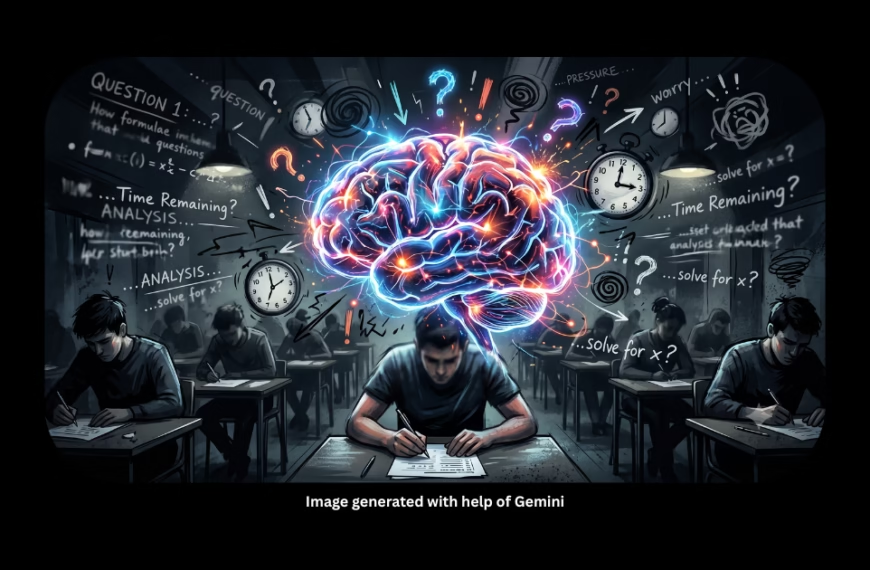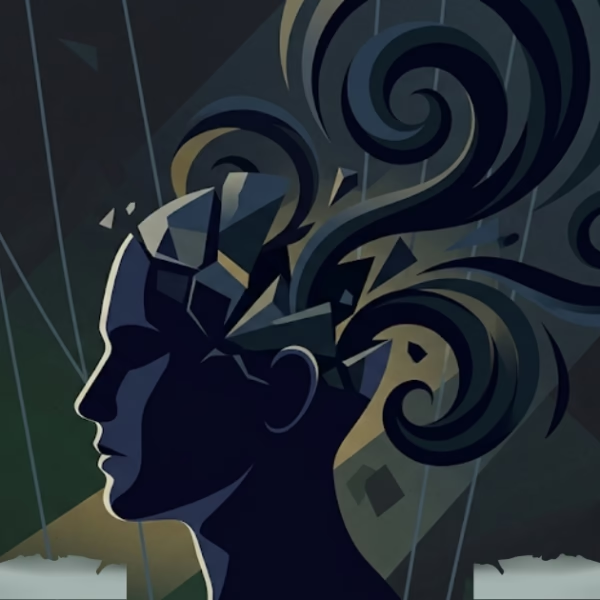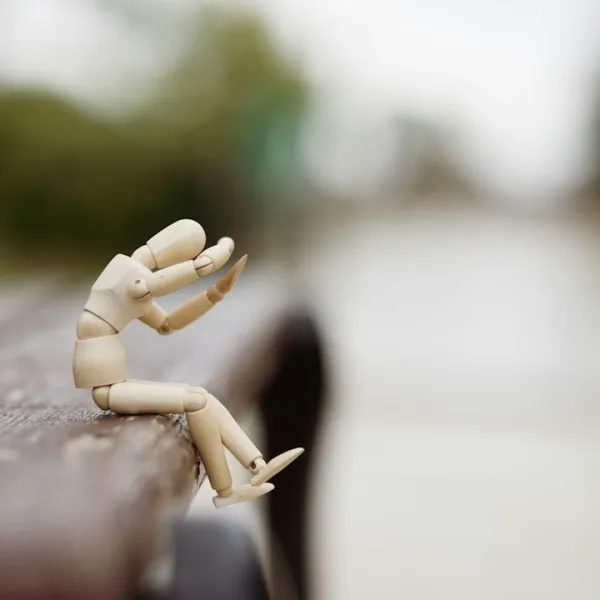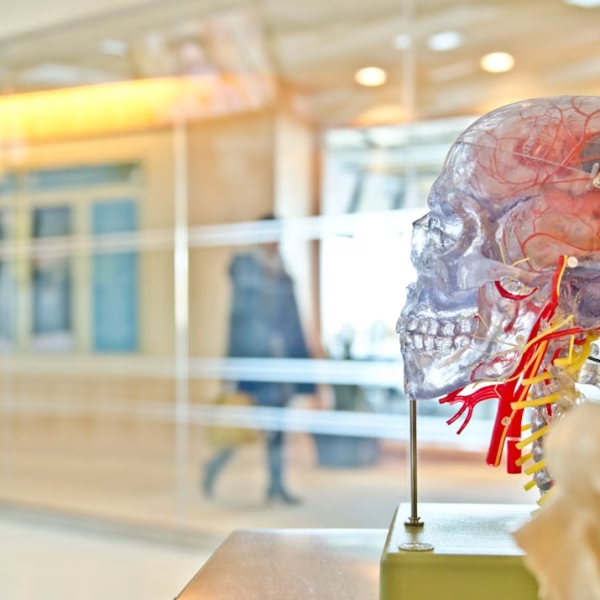

Panic attacks can feel like a sudden storm, sweeping in without warning and leaving chaos in their wake. If you’re seeking therapy for panic attacks without medication, you’re not alone—many people are exploring natural approaches to manage these overwhelming episodes. I remember the first time I experienced one; it was as if my heart had decided to race away from my chest, and I was left grappling with an overwhelming sense of dread. These episodes can manifest in various ways, often characterized by a rapid heartbeat, shortness of breath, and an intense feeling of
It’s not just about feeling anxious; it’s a visceral experience that can leave you questioning your sanity. The unpredictability of panic attacks can be particularly distressing, as they may strike at any moment, often when you least expect it. What’s fascinating—and somewhat frustrating—is that panic attacks can occur even in seemingly safe environments.
I’ve found myself in the comfort of my own home, yet still caught in the throes of an attack. This unpredictability can lead to a cycle of avoidance, where I start to shy away from places or situations that I associate with those terrifying moments. It’s a tricky dance between wanting to live life fully and the fear of being blindsided by another attack.
Understanding the underlying mechanisms—like the body’s fight-or-flight response—can be enlightening. It may suggest that our brains are wired to react intensely to perceived threats, even when those threats are not present.
Key Takeaways
- Natural panic attack treatment involves proper techniques to manage sudden, intense fear and physical symptoms.
- Therapy for panic attacks without medication, like Cognitive Behavioral Therapy (CBT), is an effective treatment focusing on changing negative thought patterns.
- Drug-free panic attack treatment options like mindfulness, meditation, and breathing exercises help reduce anxiety and promote relaxation during panic episodes.
- Lifestyle changes, including regular exercise and healthy sleep habits, support long-term panic attack management.
- Support groups, exposure therapy, and alternative therapies provide additional options for coping and recovery.
Therapy for Panic Attacks Without Medication: Cognitive Behavioral Therapy (CBT)
Cognitive Behavioral Therapy, or CBT, has emerged as a popular approach for tackling panic attacks. The premise is relatively straightforward: our thoughts influence our feelings and behaviors. When I first heard about CBT, I was skeptical.
Could simply changing my thought patterns really help? But as I began to explore this therapy, it became clear that it offers practical tools for managing anxiety. Through CBT, I learned to identify and challenge the negative thoughts that often accompany panic attacks.
For instance, instead of spiraling into catastrophic thinking—believing that an attack meant something terrible was about to happen—I started to recognize those thoughts as just that: thoughts. The beauty of CBT lies in its structured approach. It encourages me to confront my fears head-on rather than avoid them.
This might involve gradually exposing myself to situations that trigger my anxiety while employing coping strategies learned in therapy. It’s not always easy; there are days when I feel like I’m taking one step forward and two steps back. Yet, the progress I’ve made has been invaluable.
CBT has taught me that while panic attacks may be a part of my life, they don’t have to define it. By reframing my thoughts and understanding the patterns behind my anxiety, I’ve gained a sense of control that I once thought was impossible.
Mindfulness and Meditation: Natural Panic Attack Treatment Techniques
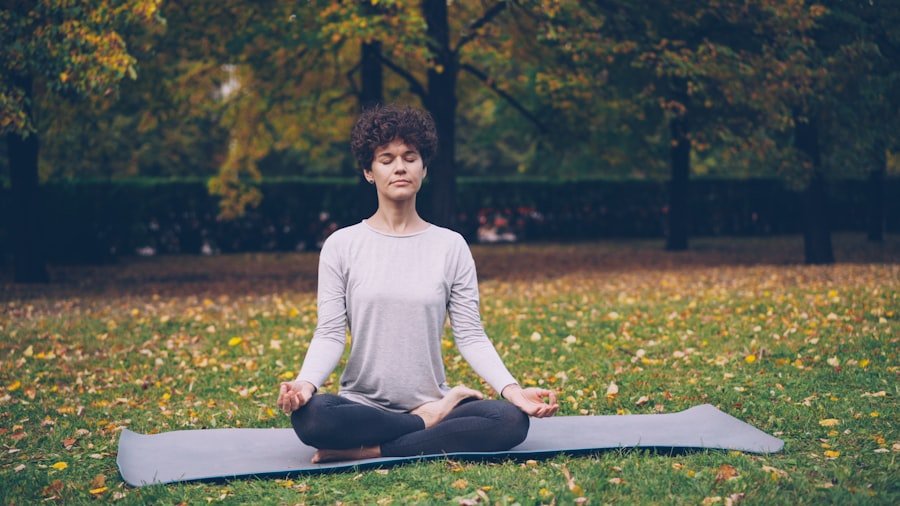
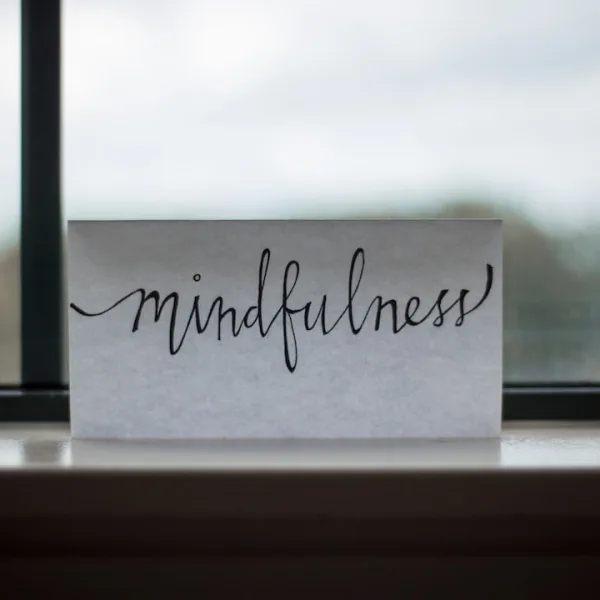
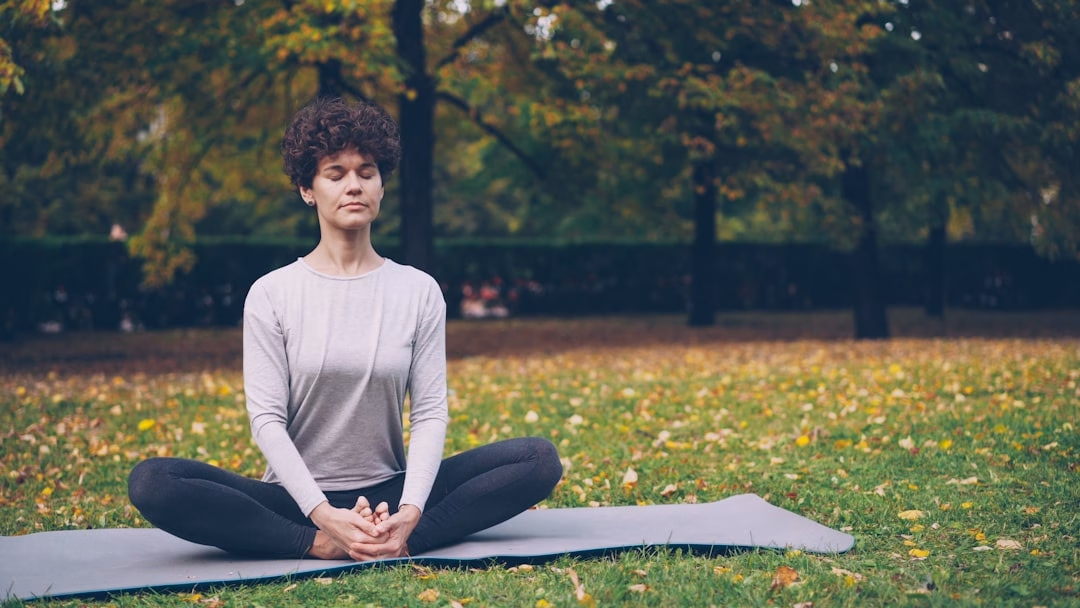
Mindfulness and meditation have become buzzwords in recent years, but their benefits for managing panic attacks are genuinely worth exploring. When I first tried mindfulness, I was skeptical—sitting quietly with my thoughts felt daunting. However, I soon discovered that these practices could serve as anchors during turbulent times.
Mindfulness encourages me to stay present, focusing on the here and now rather than getting lost in a whirlwind of anxious thoughts about the future or past. It’s about observing my feelings without judgment, which can be surprisingly liberating. Meditation techniques, such as guided imagery or body scans, have also become part of my toolkit for managing anxiety.
These practices help me cultivate a sense of calm and awareness that can be incredibly grounding during a panic attack. For instance, when I feel the familiar signs of an impending attack—my heart racing or my breath becoming shallow—I can use mindfulness techniques to redirect my focus. Instead of spiraling into fear, I remind myself to breathe deeply and acknowledge what I’m feeling without letting it consume me.
It’s not a magic solution, but it does provide a sense of clarity amidst the chaos.
Breathing Exercises and Relaxation Techniques
Breathing exercises have become a lifeline for me during moments of panic. It seems almost too simple—just breathe—but there’s something profound about focusing on my breath when anxiety threatens to overwhelm me. Techniques like diaphragmatic breathing or the 4-7-8 method have helped me regain control during those frantic moments.
By consciously slowing down my breath, I can signal to my body that it’s okay to relax, even when my mind is racing. In addition to breathing exercises, incorporating relaxation techniques into my daily routine has made a noticeable difference in how I manage stress overall. Progressive muscle relaxation is one technique that stands out; it involves tensing and then relaxing different muscle groups in the body.
This practice not only helps me release physical tension but also serves as a reminder to check in with myself throughout the day. When I take time to unwind—whether through gentle stretching or simply sitting quietly with a cup of tea—I find that I’m better equipped to handle whatever life throws my way.
Lifestyle Changes for Managing Panic Attacks
Making lifestyle changes can feel daunting, especially when you’re already grappling with anxiety. However, I’ve found that small adjustments can lead to significant improvements in how I manage panic attacks. For instance, paying attention to my diet has been eye-opening.
I used to reach for sugary snacks or caffeine when I felt stressed, but these choices often exacerbated my anxiety levels.
Now, I try to incorporate more whole foods and stay hydrated; it’s amazing how much better I feel when I nourish my body properly. Exercise has also become a crucial part of my routine.
While the idea of hitting the gym might seem overwhelming at times, finding activities that I genuinely enjoy—like hiking or dancing—has made all the difference. Physical activity not only releases endorphins but also serves as a healthy outlet for pent-up energy and stress. On days when panic feels like it’s lurking around the corner, getting moving helps me channel that energy into something positive rather than letting it spiral into anxiety.
Support Groups and Peer Counseling
Connecting with others who understand what I’m going through has been incredibly validating. Support groups offer a space where I can share my experiences without fear of judgment. Hearing others’ stories reminds me that I’m not alone in this struggle; many people face similar challenges with panic attacks and anxiety.
There’s something comforting about knowing that others have walked this path and found ways to cope. Peer counseling has also been beneficial for me. Sometimes, talking to someone who has been through similar experiences can provide insights that professionals might not offer.
It’s not about replacing therapy but rather complementing it with shared understanding and empathy. In these settings, we can exchange tips and strategies that have worked for us personally—whether it’s a particular breathing technique or a book recommendation that helped us navigate our anxiety.
Exposure Therapy for Panic Attacks
Exposure therapy is another avenue worth considering when dealing with panic attacks. The idea is to gradually expose oneself to the situations or triggers that provoke anxiety in a controlled manner. Initially, this concept felt intimidating; why would I want to put myself in situations that make me feel so uncomfortable?
However, as I learned more about it, I realized that facing fears head-on could lead to desensitization over time. In practice, exposure therapy might involve creating a hierarchy of fears—starting with less intimidating situations and gradually working up to more challenging ones. For example, if crowded places trigger my panic attacks, I might begin by spending time in smaller gatherings before eventually tackling larger crowds.This form of therapy for panic attacks without medication can be highly effective when practiced consistently.
It’s not always easy; there are moments when I feel overwhelmed or want to retreat back into avoidance. Yet, each small step forward reinforces the idea that I can handle these situations without succumbing to panic.
Alternative Therapies for Panic Attack Management
Exploring alternative therapies has opened up new avenues for managing my panic attacks beyond traditional methods. Techniques like acupuncture or aromatherapy may seem unconventional at first glance, but they’ve provided me with additional tools for coping with anxiety. Acupuncture, for instance, focuses on balancing energy within the body; while it may not work for everyone, I’ve found it helps me relax and feel more centered.
Aromatherapy is another interesting avenue I’ve explored; certain scents like lavender or chamomile can evoke feelings of calmness and relaxation for me.
Incorporating essential oils into my daily routine—whether through diffusers or topical applications—has added an extra layer of comfort during stressful moments. While these alternative therapies may not replace conventional treatments like CBT or medication for everyone, they can certainly complement them and provide a more holistic approach to managing panic attacks.Combined with therapy for panic attacks without medication like the approaches discussed here, alternative therapies can offer comprehensive relief.
In navigating the complexities of panic attacks, I’ve come to appreciate the importance of finding what works best for me personally. Each strategy—from CBT to mindfulness practices—offers unique insights and tools for managing anxiety effectively. It’s an ongoing journey filled with ups and downs, but through exploration and self-discovery, I’ve learned that there is hope and healing on the horizon.
For those seeking natural and medication-free approaches to managing panic attacks, exploring related techniques can be beneficial. One such resource is the article on stress management techniques specifically designed for students, which can provide valuable insights into coping strategies. You can read more about these proven methods in the article Stress-Free Studies: Proven Techniques for Student Stress Management.
FAQs
What are natural, medication-free approaches to panic attack therapy?
Natural, medication-free approaches to panic attack therapy include techniques and lifestyle changes that help manage and reduce panic attacks without the use of pharmaceutical drugs. These methods often involve behavioral therapies, relaxation techniques, breathing exercises, dietary adjustments, and mindfulness practices.
How effective are natural therapies for panic attacks?
Natural therapies can be effective for many individuals, especially when used consistently and combined with professional guidance. Cognitive-behavioral therapy (CBT), breathing exercises, and mindfulness meditation have been shown to reduce the frequency and intensity of panic attacks. However, effectiveness varies by person and severity of symptoms.
Can breathing exercises help during a panic attack?
Yes, controlled breathing exercises can help manage panic attacks by reducing hyperventilation and promoting relaxation. Techniques such as diaphragmatic breathing or paced breathing help regulate oxygen and carbon dioxide levels in the body, which can alleviate symptoms like dizziness and shortness of breath.
What role does lifestyle play in managing panic attacks naturally?
Lifestyle factors such as regular exercise, adequate sleep, a balanced diet, and stress management play a significant role in reducing the frequency and severity of panic attacks. Avoiding caffeine, alcohol, and nicotine can also help minimize triggers.
Is therapy necessary if I want to try natural approaches?
While some natural approaches can be practiced independently, working with a mental health professional is often recommended. Therapists can guide you through evidence-based techniques like CBT and help tailor strategies to your specific needs, improving the chances of successful management.
Are there any risks associated with natural, medication-free panic attack therapies?
Natural therapies are generally safe, but they may not be sufficient for everyone, especially those with severe panic disorder or co-occurring mental health conditions. It is important to consult a healthcare provider to ensure that natural approaches are appropriate and to avoid delaying necessary medical treatment.
Can mindfulness and meditation reduce panic attacks?
Yes, mindfulness and meditation practices can help reduce panic attacks by increasing awareness of thoughts and bodily sensations, promoting relaxation, and reducing stress. Regular practice can improve emotional regulation and decrease anxiety symptoms over time.
How long does it take to see results from natural panic attack therapies?
The time frame varies depending on the individual and the methods used. Some people may notice improvements within weeks, while others may require several months of consistent practice. Patience and persistence are key to achieving lasting benefits.
Are dietary changes important in managing panic attacks?
Dietary changes can support overall mental health and reduce panic attack triggers. Limiting caffeine and sugar intake, staying hydrated, and maintaining balanced nutrition can help stabilize mood and energy levels, potentially decreasing anxiety symptoms.
Can exercise help with panic attacks?
Yes, regular physical exercise is beneficial for managing panic attacks. Exercise releases endorphins, reduces stress hormones, and improves overall mood, which can help decrease the frequency and intensity of panic attacks.