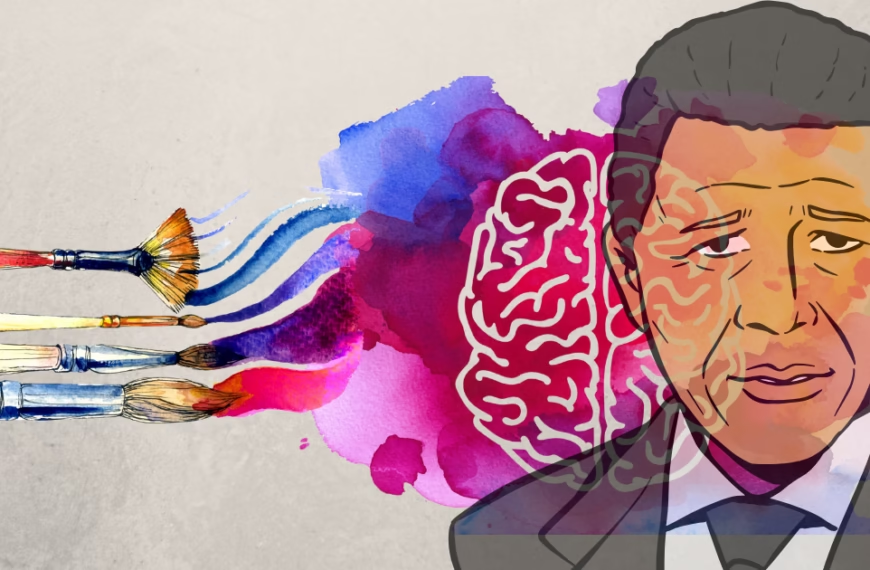

Psychopathy is a complex personality disorder that has intrigued psychologists and the general public alike. At its core, psychopathy is characterized by a lack of empathy, shallow emotions, and manipulative behavior. You may have encountered the term in popular culture, often associated with violent criminals or charismatic con artists. However, it is essential to understand that psychopathy exists on a spectrum and can manifest in various ways. While some individuals may exhibit extreme traits, others may display subtler signs that can be just as damaging.
The origins of psychopathy are still a subject of research and debate. Some studies suggest that genetic factors play a significant role, while others emphasize environmental influences, such as childhood trauma or neglect. As you delve deeper into the subject, you may find that psychopathy is not merely a result of one’s upbringing or biology but rather a complex interplay of various factors. Understanding these nuances can help you better recognize and address psychopathic behavior in yourself or others.
In exploring the complexities of psychopathy, it’s essential to consider the impact such traits can have on interpersonal relationships, particularly in co-parenting situations. For insights on navigating communication challenges when dealing with a co-parent who may exhibit psychopathic traits, you can refer to the article on effective co-parenting strategies found here: Effective Co-Parenting with Talking Parents: Tips and Strategies for Successful Communication. This resource provides valuable tips for maintaining healthy communication and ensuring the well-being of children in challenging dynamics.
Common Signs of Psychopathy
When it comes to identifying psychopathy, certain signs can serve as red flags. One of the most prominent characteristics is a superficial charm that can easily draw you in. Psychopaths often possess an uncanny ability to engage others, making them appear likable and trustworthy at first glance. However, this charm is typically a façade that masks their true intentions. You might find yourself feeling captivated by their charisma, only to later realize that their interest in you is self-serving.
Another common sign of psychopathy is a blatant disregard for societal norms and the feelings of others. You may notice that individuals exhibiting these traits often lie effortlessly, manipulate situations to their advantage, and show little remorse for their actions. This lack of empathy can be particularly distressing, as it often leads to harmful behaviors that affect those around them. Recognizing these signs early on can be crucial in protecting yourself from potential harm.
Myths and Misconceptions about Psychopathy
Despite the growing body of research on psychopathy, several myths and misconceptions persist. One prevalent myth is that all psychopaths are violent criminals. While some individuals with psychopathic traits may engage in criminal behavior, many lead seemingly normal lives and may even excel in their careers. You might be surprised to learn that some psychopaths are found in positions of power, such as corporate executives or politicians, where their manipulative skills can be advantageous.
Another misconception is that psychopathy is synonymous with insanity. In reality, psychopaths are often quite rational and can function effectively in society. They may understand the difference between right and wrong but choose to act in ways that serve their interests without regard for others. This distinction is crucial for you to grasp, as it highlights the calculated nature of psychopathic behavior rather than an inability to comprehend moral implications.
Recognizing Everyday Red Flags of Psychopathic Behavior
In your daily interactions, you may encounter subtle red flags that indicate psychopathic behavior. One such sign is an excessive need for stimulation or excitement. Individuals with psychopathic traits often seek out thrilling experiences and may become bored easily. You might notice that they engage in risky behaviors without considering the consequences, which can be alarming if you find yourself involved with them.
Additionally, a lack of long-term goals or commitment can be indicative of psychopathy. You may observe that these individuals tend to flit from one interest to another without ever fully investing themselves in any particular endeavor. This pattern can create instability in relationships and projects, leaving you feeling frustrated or unfulfilled. Being aware of these everyday red flags can empower you to make informed decisions about your relationships and interactions.
Understanding psychopathy can be complex, and while many people are familiar with its signs and myths, it’s also essential to focus on overall mental health. For those looking to enhance their well-being, exploring strategies for improvement can be beneficial. You might find useful insights in this article about boosting your mental health, which complements the discussion on psychopathy by emphasizing the importance of a healthy mindset in recognizing and addressing various psychological traits.
The Traits and Characteristics of a Psychopath
Psychopaths exhibit a range of traits and characteristics that set them apart from others. One defining feature is their emotional detachment; they often struggle to form genuine connections with others. You might find that they are skilled at mimicking emotions but lack the depth of feeling that typically accompanies human relationships. This emotional void can make it challenging for you to establish trust or intimacy with them.
Another characteristic is impulsivity combined with poor behavioral controls. Psychopaths may act on whims without considering the repercussions of their actions. This impulsivity can lead to erratic behavior that disrupts both their lives and the lives of those around them. As you navigate relationships with individuals displaying these traits, it’s essential to remain vigilant and prioritize your well-being.
Understanding psychopathy can be complex, but it is essential to recognize its signs and myths to navigate relationships effectively. A related article that delves into the importance of self-compassion in enhancing overall well-being can provide valuable insights into how emotional health plays a role in our interactions with others. You can read more about this topic in the article on self-compassion, which emphasizes the significance of nurturing our emotional state to foster healthier connections.
The Difference Between Psychopathy and Sociopathy
While psychopathy and sociopathy are often used interchangeably, they represent distinct concepts within the realm of antisocial personality disorders. Psychopathy is generally characterized by a more calculated and manipulative approach to relationships, whereas sociopathy tends to involve more impulsive behaviors and emotional outbursts. You might notice that sociopaths often struggle to form attachments but may still exhibit some emotional responses, albeit inconsistently.
Understanding this difference can help you identify the specific traits associated with each disorder. For instance, while a psychopath may plan their actions meticulously to avoid detection, a sociopath might act out in anger or frustration without considering the consequences. Recognizing these distinctions can provide clarity when assessing the behavior of individuals in your life.
How to Identify Psychopathic Behavior in Relationships
Identifying psychopathic behavior in relationships can be challenging, especially when emotions are involved. One key indicator is a pattern of manipulation or deceit. If you find yourself frequently questioning the truthfulness of your partner’s words or actions, it may be time to reevaluate the relationship. Trust is fundamental in any partnership, and if it feels consistently undermined, it could signal deeper issues.
Another sign to watch for is an imbalance in emotional investment. You might notice that your partner seems more focused on their needs than yours, often disregarding your feelings or concerns. This lack of reciprocity can leave you feeling drained and unappreciated over time. By paying attention to these dynamics, you can better assess whether you are dealing with someone who exhibits psychopathic traits.
The Impact of Psychopathy on Society and Individuals
The impact of psychopathy extends beyond individual relationships; it also affects society as a whole. Psychopaths can contribute to a range of social issues, including crime, corporate fraud, and even political corruption. Their manipulative tendencies can lead to significant harm not only for their immediate victims but also for communities at large. As you consider the broader implications of psychopathy, it becomes clear that awareness and understanding are crucial for mitigating its effects.
On an individual level, encountering a psychopath can have lasting repercussions on your mental health and well-being. Victims often experience feelings of confusion, betrayal, and emotional turmoil as they navigate the complexities of their relationships with these individuals. Recognizing the signs early on can empower you to protect yourself from potential harm and seek support when needed.
Seeking Help for Dealing with Psychopathic Individuals
If you find yourself entangled with someone exhibiting psychopathic traits, seeking help can be an essential step toward regaining control over your life. Professional guidance from therapists or counselors experienced in dealing with personality disorders can provide valuable insights and coping strategies tailored to your situation. You don’t have to navigate this challenging terrain alone; reaching out for support can help you process your experiences and develop healthier boundaries.
Additionally, support groups can offer a sense of community and understanding as you share your experiences with others who have faced similar challenges. Connecting with individuals who have successfully navigated relationships with psychopaths can provide hope and practical advice for moving forward.
Coping Strategies for Dealing with Psychopathic Behavior
Developing coping strategies is vital when dealing with psychopathic behavior in your life. One effective approach is establishing firm boundaries to protect your emotional well-being. Clearly communicating your limits can help deter manipulative behavior and foster healthier interactions. You might also consider practicing self-care techniques such as mindfulness or journaling to process your feelings and maintain your mental health.
Another strategy involves educating yourself about psychopathy and its traits. The more informed you are about this personality disorder, the better equipped you will be to recognize red flags and respond appropriately. Knowledge empowers you to make informed decisions about your relationships and interactions with others.
The Importance of Education and Awareness about Psychopathy
Education and awareness about psychopathy are crucial for fostering understanding and compassion within society. By learning about the traits and behaviors associated with this disorder, you can better identify potential risks in your personal life and community. Increased awareness can also help reduce stigma surrounding mental health issues, encouraging individuals to seek help without fear of judgment.
Moreover, promoting education about psychopathy can lead to more effective interventions within various sectors, including law enforcement, https://psychovista.com/confidential-and-private-mental-health-counseling-services/mental health services, and education systems. By equipping professionals with knowledge about psychopathy, society can work toward creating safer environments for everyone while supporting those affected by this complex disorder.
In conclusion, understanding psychopathy requires a multifaceted approach that encompasses its definition, signs, myths, and societal impact. By educating yourself on this topic, you empower yourself to recognize potential dangers while fostering healthier relationships in your life. Whether through seeking help or developing coping strategies, taking proactive steps can lead to greater emotional well-being and resilience against manipulative behaviors.