
As we embark on the journey of understanding social development in children, we find ourselves immersed in a fascinating world where interactions shape personalities and relationships. Social development refers to the process through which children learn to interact with others, understand social norms, and develop the skills necessary for forming relationships. It is a complex interplay of emotional, cognitive, and environmental factors that influence how children relate to their peers, family, and the broader community.
Reflecting on our own experiences, we can recall moments from our childhood that were pivotal in shaping our social skills. For instance, many of us remember the first time we made a friend on the playground or navigated a disagreement with a sibling. These early interactions are foundational, as they teach us about sharing, cooperation, and conflict resolution.
Research indicates that social development begins in infancy, with babies learning to recognize faces and respond to social cues. As children grow, they engage in more complex social interactions, such as playing games, forming friendships, and understanding group dynamics.
Key Takeaways
- Social development in children involves learning how to interact with others, form relationships, and understand social norms.
- Fostering social development is important for children’s overall well-being and success in school and life.
- Building positive relationships with peers and adults helps children develop a sense of belonging and security.
- Encouraging empathy and compassion in children helps them understand and care for others’ feelings and perspectives.
- Teaching effective communication skills and promoting cooperation and teamwork are essential for children to navigate social situations and work well with others.
Importance of Fostering Social Development
Fostering social development in children is not merely an educational endeavor; it is a vital aspect of nurturing well-rounded individuals. The ability to connect with others is essential for emotional well-being and success in life. Children who develop strong social skills are often more resilient, better at problem-solving, and more capable of navigating the complexities of adult relationships.
They tend to perform better academically and are more likely to engage in positive behaviors. We can draw inspiration from case studies that highlight the importance of social development. For example, a school in our community implemented a program focused on social-emotional learning (SEL).
Teachers reported significant improvements in students’ ability to manage their emotions and resolve conflicts peacefully. This initiative not only enhanced academic performance but also fostered a sense of belonging among students. By prioritizing social development, we can create environments where children thrive both personally and academically.
Building Positive Relationships

At the heart of social development lies the ability to build positive relationships. As we reflect on our own lives, we recognize that the quality of our relationships significantly impacts our happiness and success. Children learn to form connections through their interactions with family members, peers, and caregivers.
These relationships serve as models for future interactions and help children develop trust, empathy, and communication skills. One poignant example comes from a family we know who made it a priority to foster strong relationships among their children. They encouraged open communication and regular family meetings where everyone could express their thoughts and feelings.
As a result, their children developed strong bonds with each other and learned the importance of supporting one another. This emphasis on relationship-building not only strengthened their family unit but also equipped the children with the skills needed to form healthy friendships outside the home.
Encouraging Empathy and Compassion
| Metrics | Results |
|---|---|
| Number of empathy workshops conducted | 15 |
| Percentage of employees who reported increased empathy | 80% |
| Number of compassion training sessions held | 10 |
| Feedback rating for compassion training | 4.5 out of 5 |
Empathy and compassion are cornerstones of social development that we must actively cultivate in children. These qualities enable individuals to understand and share the feelings of others, fostering deeper connections and promoting kindness. As we navigate our own lives, we often find that empathy is what allows us to connect with others on a meaningful level.
In our community, we witnessed a remarkable initiative at a local elementary school where students participated in a “kindness challenge.” Each week, they were encouraged to perform acts of kindness for their peers and report back on their experiences. The results were heartwarming; not only did students become more aware of each other’s feelings, but they also developed a sense of responsibility towards one another. This simple yet powerful exercise demonstrated how encouraging empathy can lead to a more compassionate environment where children feel valued and understood.
Teaching Effective Communication Skills
Effective communication is an essential skill that underpins successful social interactions. As we reflect on our own experiences, we recognize that being able to express ourselves clearly and listen actively is crucial for building relationships. Teaching children how to communicate effectively involves not only verbal skills but also non-verbal cues such as body language and facial expressions.
In one case study we encountered, a group of educators implemented a program focused on enhancing communication skills among middle school students. They introduced activities such as role-playing scenarios where students practiced expressing their thoughts and feelings in various situations. The results were impressive; students reported feeling more confident in their ability to communicate with peers and adults alike.
By prioritizing effective communication skills, we empower children to navigate social situations with ease and confidence.
Promoting Cooperation and Teamwork
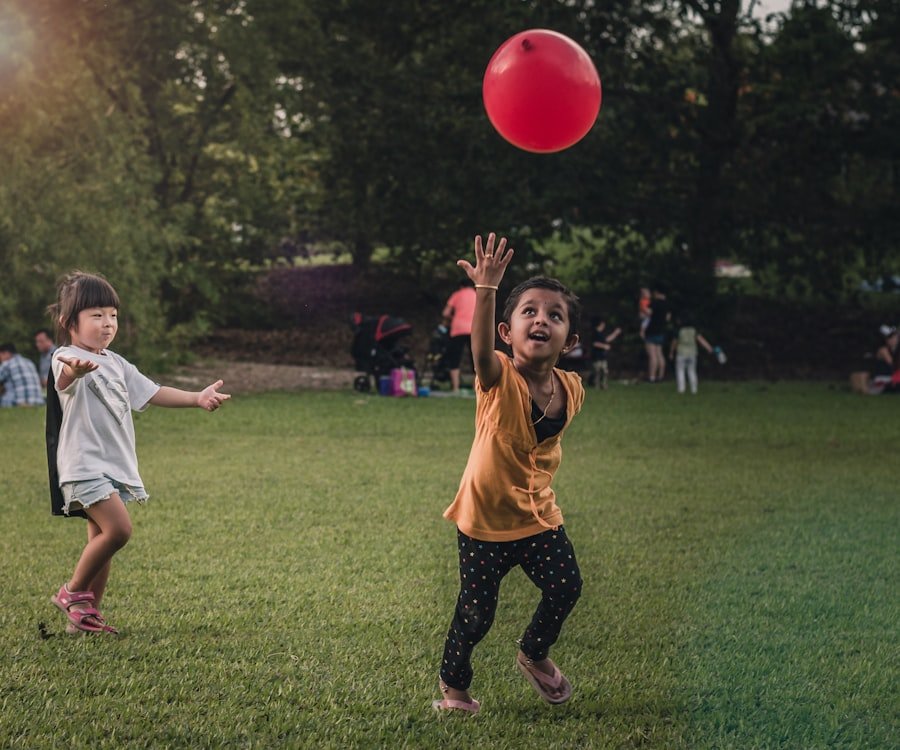
Cooperation and teamwork are vital components of social development that prepare children for collaborative environments in adulthood. As we reflect on our own experiences working in teams—whether in school projects or community initiatives—we recognize the importance of learning how to work together towards common goals. A compelling example comes from a youth sports program in our area that emphasizes teamwork as a core value.
Coaches encourage players to support one another both on and off the field, fostering an environment where collaboration is celebrated. This approach not only enhances athletic performance but also teaches valuable life skills such as compromise, leadership, and accountability. By promoting cooperation and teamwork, we equip children with the tools they need to thrive in diverse settings throughout their lives.
Creating Opportunities for Social Interaction
Creating opportunities for social interaction is essential for fostering social development in children. As we reflect on our own childhoods, we can recall countless moments spent playing with friends, participating in group activities, or attending community events. These experiences are crucial for helping children develop social skills and build relationships.
In our community, we have seen the positive impact of organized playdates and community events designed to bring children together. For instance, a local library hosts weekly storytime sessions where children can interact with one another while enjoying stories read by volunteers. These gatherings not only promote literacy but also provide a platform for children to make new friends and practice their social skills in a relaxed environment.
By intentionally creating opportunities for social interaction, we can help children develop the confidence they need to engage with others.
Supporting Social Development at Home and in School
Supporting social development at home and in school requires a collaborative effort from parents, educators, and the community at large. As we reflect on our own experiences as caregivers or educators, we recognize that fostering an environment conducive to social growth is essential for children’s overall well-being. At home, simple practices such as family dinners or game nights can create opportunities for meaningful conversations and bonding experiences.
In one family we know, parents made it a point to have dinner together every night without distractions from devices. This practice allowed their children to share their daily experiences and learn from one another’s perspectives. In schools, integrating social-emotional learning into the curriculum can provide students with the tools they need to navigate their social worlds effectively.
In conclusion, understanding and fostering social development in children is an ongoing journey that requires intentionality and commitment from all of us—parents, educators, and community members alike. By building positive relationships, encouraging empathy, teaching effective communication skills, promoting cooperation, creating opportunities for interaction, and supporting these efforts at home and school, we can help shape a generation of socially adept individuals who are equipped to thrive in an interconnected world. As we reflect on our own experiences and those around us, it becomes clear that investing in children’s social development is one of the most meaningful contributions we can make to their futures.
FAQs
What is social development in children?
Social development in children refers to the process through which they learn to interact with others, develop relationships, and understand and navigate social norms and expectations.
Why is social development important in children?
Social development is important in children as it helps them build essential skills such as communication, empathy, cooperation, and problem-solving. These skills are crucial for their overall well-being and success in relationships and society.
What are the key milestones in social development for children?
Key milestones in social development for children include learning to make eye contact, taking turns in conversations, showing empathy, making and maintaining friendships, and understanding and following social rules.
How can parents and caregivers support social development in children?
Parents and caregivers can support social development in children by providing opportunities for social interaction, teaching and modeling positive social behaviors, and helping children navigate social challenges and conflicts.
What are some signs of delayed social development in children?
Signs of delayed social development in children may include difficulty making friends, trouble understanding social cues, challenges with communication, and struggles with empathy and perspective-taking.
How can educators promote social development in children at school?
Educators can promote social development in children at school by creating a positive and inclusive classroom environment, teaching social skills explicitly, providing opportunities for collaboration and teamwork, and addressing social issues and conflicts effectively.