
Anxiety can be a tricky beast to understand. It’s not just that feeling of nervousness before a big presentation or the butterflies in your stomach before a first date. There are various types of anxiety disorders, each with its own unique characteristics.
Generalized Anxiety Disorder (GAD) is one of the most common, where individuals often find themselves worrying excessively about everyday issues—work, health, or even social interactions. Then there’s Social Anxiety Disorder, which can make social situations feel like a minefield, leading to intense fear of being judged or embarrassed. Panic Disorder, on the other hand, is marked by sudden and repeated episodes of intense fear that can trigger physical symptoms like heart palpitations or shortness of breath.
Identifying common symptoms of anxiety can sometimes feel like piecing together a puzzle. I’ve noticed that many people experience a mix of emotional and physical symptoms. Emotionally, there’s often a sense of dread or impending doom that seems to hang over them like a dark cloud.
Physically, anxiety can manifest in various ways—sweating, trembling, or even gastrointestinal issues. It’s interesting how these symptoms can vary from person to person; what might be debilitating for one individual could be manageable for another. This variability makes it crucial to recognize that anxiety is not a one-size-fits-all experience.
Key Takeaways
- Anxiety disorders vary widely, with common symptoms including excessive worry, restlessness, and physical signs like increased heart rate.
- Counseling, especially Cognitive Behavioral Therapy (CBT), is effective in helping individuals manage anxiety by changing negative thought patterns.
- Mindfulness, relaxation techniques, and exposure therapy are valuable tools in reducing anxiety symptoms and improving coping skills.
- Stress management and interpersonal therapy enhance anxiety treatment by promoting healthy coping strategies and improving social support.
- Medication can complement counseling, but it requires careful coordination with healthcare professionals to tailor the best treatment plan.
The Benefits of Anxiety Counseling
When I think about anxiety counseling, I can’t help but reflect on how transformative it can be for those struggling with anxiety disorders. Seeking professional help often leads to a deeper understanding of one’s anxiety triggers and patterns. It’s like having a guide who helps you navigate the often murky waters of your mind.
Many people find that counseling provides them with tools and strategies to manage their anxiety more effectively. It’s not just about talking through problems; it’s about learning how to cope and thrive despite them. The long-term benefits of seeking professional help are also worth considering.
I’ve seen individuals who initially felt overwhelmed by their anxiety gradually regain control over their lives. They learn to recognize their triggers and develop healthier coping mechanisms. This journey often leads to improved relationships, better work performance, and an overall enhanced quality of life.
It’s fascinating how addressing mental health can ripple out into other areas, creating a more balanced and fulfilling existence.
Cognitive Behavioral Therapy (CBT) for Anxiety

Cognitive Behavioral Therapy (CBT) has gained quite a reputation in the realm of anxiety treatment, and for good reason. At its core, CBT focuses on helping individuals reframe their thoughts and behaviors. I remember hearing someone describe it as a way to “rewire” your brain, which sounds a bit dramatic but captures the essence of what it aims to do.
By identifying negative thought patterns and replacing them with more constructive ones, individuals can start to change how they respond to anxiety-provoking situations. The effectiveness of CBT in treating anxiety disorders is backed by a wealth of research. Many studies suggest that individuals who undergo CBT often experience significant reductions in their anxiety symptoms.
I’ve spoken with people who have gone through this therapy and they often describe feeling empowered—like they’ve gained tools to tackle their anxiety head-on rather than letting it control them. It’s not a magic fix, but it does seem to provide a solid foundation for managing anxiety in the long run.
Mindfulness and Relaxation Techniques
Mindfulness and relaxation techniques have become buzzwords in the mental health community, but they’re more than just trendy phrases. These practices can serve as valuable tools for managing anxiety. Mindfulness encourages individuals to stay present in the moment rather than getting lost in spirals of worry about the future or regret about the past.
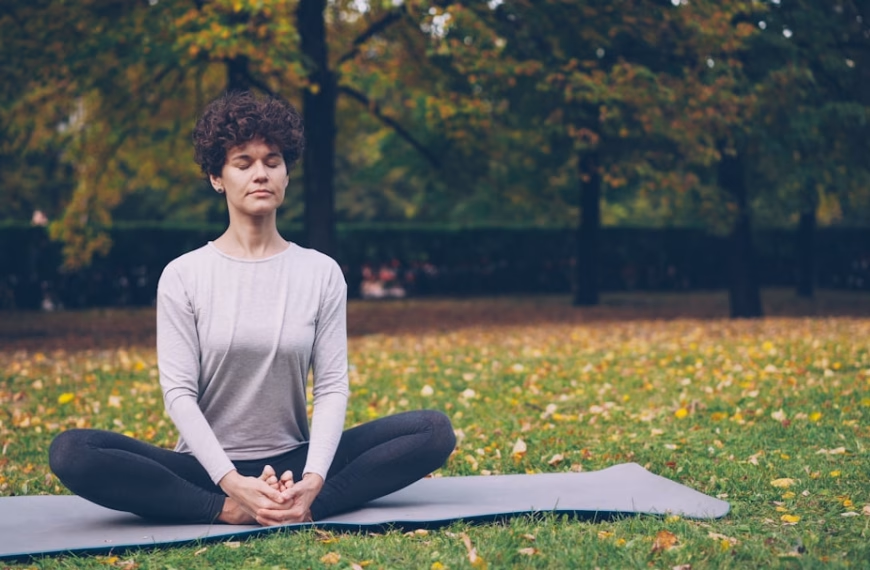
I’ve found that even simple exercises, like focusing on your breath or observing your surroundings without judgment, can create a sense of calm amidst chaos. Incorporating mindfulness and relaxation techniques into counseling sessions can enhance the therapeutic experience. Counselors often guide clients through these exercises, helping them develop a personal toolkit for managing anxiety outside of sessions.
I’ve seen firsthand how clients who practice mindfulness regularly report feeling more grounded and less reactive to stressors in their lives. It’s almost as if they’re learning to create a buffer between themselves and their anxiety.
Exposure Therapy
Exposure therapy is another fascinating approach to treating anxiety disorders. The process involves gradually exposing individuals to their anxiety triggers in a controlled environment. I remember reading about someone who had a fear of flying; through exposure therapy, they started by simply looking at pictures of airplanes before eventually taking short flights.
This gradual exposure helps desensitize individuals to their fears, making them feel less overwhelming over time. The effectiveness of exposure therapy is often highlighted in discussions about anxiety treatment. Many people find that facing their fears head-on—albeit slowly—can lead to significant reductions in anxiety symptoms.
However, the sense of accomplishment that comes from confronting those fears can be incredibly empowering. It’s like reclaiming a part of yourself that anxiety had taken away.
Stress Management and Coping Strategies

When it comes to dealing with anxiety, stress management techniques are essential. I’ve come across various strategies that people find helpful—everything from deep breathing exercises to engaging in physical activity. These techniques can serve as immediate relief during moments of heightened anxiety, providing a sense of control when everything feels chaotic.
It’s interesting how something as simple as taking a few deep breaths can shift your perspective and help you regain composure. Developing healthy coping strategies is equally important for long-term management of anxiety. I’ve seen individuals who initially relied on unhealthy habits—like excessive drinking or avoidance—gradually shift towards more constructive outlets such as journaling or creative expression.
It’s not just about finding ways to cope; it’s about building resilience over time.
Interpersonal Therapy
Interpersonal therapy (IPT) offers an intriguing perspective on anxiety counseling by emphasizing the role of relationships and social support. I’ve often thought about how our connections with others can significantly impact our mental health. For many individuals struggling with anxiety, feelings of isolation can exacerbate their symptoms.
IPT encourages clients to explore their interpersonal relationships and how these dynamics may contribute to their anxiety. Improving communication and relationship skills through IPT can be transformative. I’ve heard stories from clients who felt stuck in negative patterns within their relationships but found new ways to express themselves after engaging in this type of therapy.
It’s fascinating how enhancing one’s social skills can lead to greater confidence and reduced feelings of anxiety in social situations. Building a supportive network can make all the difference when navigating the complexities of mental health.
The Role of Medication in Anxiety Counseling
Medication can sometimes play a role in managing anxiety disorders, and it’s worth discussing alongside counseling options. While some may view medication as a quick fix, it’s important to recognize its potential benefits when used in conjunction with therapy. I’ve spoken with individuals who found that medication helped stabilize their symptoms enough to fully engage in counseling sessions without being overwhelmed by anxiety.
Working with a healthcare professional to find the right treatment plan is crucial. There’s no one-size-fits-all solution when it comes to medication; what works for one person may not work for another. I’ve seen firsthand how collaborative approaches—where clients are actively involved in discussions about their treatment—can lead to better outcomes.
It’s all about finding that balance between medication and therapy, creating a comprehensive approach that addresses both the symptoms and underlying issues related to anxiety. In summary, understanding anxiety disorders is just the beginning of addressing this complex issue. The journey through counseling, whether through CBT, mindfulness techniques, or interpersonal therapy, offers valuable tools for managing anxiety effectively.
Each individual’s experience is unique, but with the right support and strategies in place, it’s possible to navigate the challenges that anxiety presents and emerge stronger on the other side.
Effective anxiety counseling can be significantly enhanced by incorporating various techniques that promote emotional well-being. One related article that explores the importance of kindness in improving mental health is Enhancing Emotional Wellbeing Through Acts of Kindness. This article discusses how engaging in kind acts can not only benefit the recipient but also improve the mental state of the giver, making it a valuable strategy for those dealing with anxiety.
FAQs
What is anxiety counseling?
Anxiety counseling is a form of therapy aimed at helping individuals manage and reduce symptoms of anxiety. It involves working with a trained mental health professional to identify triggers, develop coping strategies, and improve overall emotional well-being.
What techniques are commonly used in anxiety counseling?
Common techniques include cognitive-behavioral therapy (CBT), mindfulness-based stress reduction, relaxation exercises, exposure therapy, and psychoeducation. These methods help clients understand their anxiety and learn practical skills to manage it.
How does cognitive-behavioral therapy (CBT) help with anxiety?
CBT helps individuals identify and challenge negative thought patterns and behaviors that contribute to anxiety. By changing these patterns, clients can reduce anxiety symptoms and improve their response to stressful situations.
What are the benefits of anxiety counseling?
Benefits include reduced anxiety symptoms, improved coping skills, enhanced emotional regulation, better stress management, and an overall improvement in quality of life. Counseling can also prevent anxiety from worsening or leading to other mental health issues.
How long does anxiety counseling typically last?
The duration varies depending on the individual’s needs and the severity of anxiety. Some may benefit from short-term counseling lasting a few weeks, while others may require longer-term therapy over several months.
Can anxiety counseling be combined with medication?
Yes, anxiety counseling can be used alongside medication prescribed by a healthcare provider. Combining therapy and medication often provides more comprehensive treatment and better outcomes for some individuals.
Is anxiety counseling effective for all types of anxiety disorders?
Anxiety counseling is effective for many types of anxiety disorders, including generalized anxiety disorder, panic disorder, social anxiety disorder, and phobias. Treatment plans are tailored to the specific type and severity of anxiety.
How do I find a qualified anxiety counselor?
You can find a qualified anxiety counselor by seeking referrals from healthcare providers, checking professional mental health organizations, or using online directories. It is important to verify credentials and ensure the counselor has experience in treating anxiety.
Can anxiety counseling be done online?
Yes, many counselors offer online therapy sessions, which can be convenient and accessible. Online anxiety counseling has been shown to be effective and is a viable option for many individuals.
What should I expect during my first anxiety counseling session?
During the first session, the counselor will typically assess your symptoms, discuss your history, and set goals for treatment. This session is also an opportunity to ask questions and establish a comfortable therapeutic relationship.