
According to Psychology, Waking Up Anxious Is a Physical Pattern Your Body Has Learned — and Here’s How to Break It

Waking Up Anxious Is a Physical Pattern

Waking up in a cold sweat, heart pounding, a sense of dread already setting in – does that sound familiar? For many, the start of the day is often greeted not with a gentle stretch, but with a wave of anxiety. It’s a truly unpleasant way to kick off what could otherwise be a perfectly good day. If this is your experience, you’re not alone. What might feel like a personal failing or some mysterious ailment is, according to psychological understanding, often a learned physical and mental pattern. The good news is, like any learned pattern, it can be unlearned.

Why Your Body Wakes Up Anxious: The Brain-Body Connection

It’s easy to think of anxiety as purely a mental thing, a collection of worry-filled thoughts. But the experience of anxiety is deeply physical. Your mind and body are constantly chatting, influencing each other in profound ways. When you wake up anxious, it’s not just your brain firing off distress signals; your body is already on high alert, geared for a fight or flight response. This intricate dance between your brain and your physical sensations is often at the root of morning unease.

The Amygdala’s Role in Early Morning Alarms

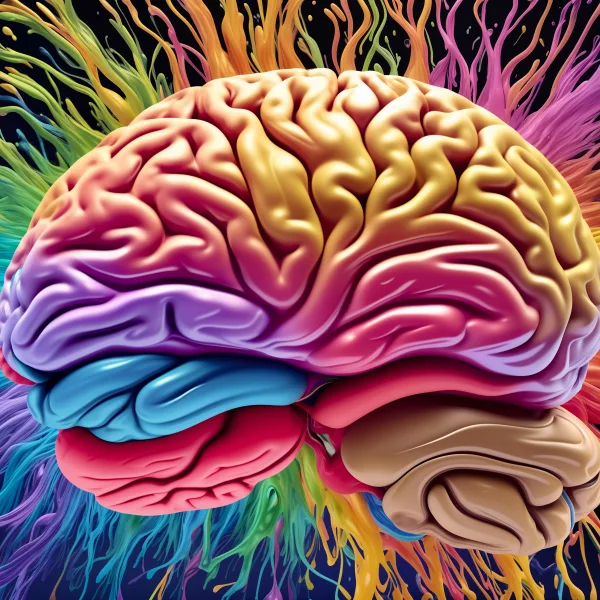
Deep within your brain, there’s a tiny almond-shaped structure called the amygdala. Think of it as your brain’s alarm system. Its primary job is to detect threats and initiate a fear response. When you’ve experienced stress or anxiety regularly, especially around sleep or waking, your amygdala may become hypersensitive. It starts to anticipate danger even when none is present. So, as you transition from sleep to wakefulness, the amygdala might preemptively trigger an alarm, flooding your system with stress hormones like cortisol and adrenaline before you’ve even opened your eyes. This isn’t a conscious choice; it’s a hardwired, automatic reaction, a bit like a fire alarm that’s become overly sensitive and goes off at the smell of burnt toast.

The Cortisol Awakening Response (CAR) and Its Misdirection

Cortisol is often dubbed the “stress hormone,” but it also plays a vital role in our natural wake-up process. We typically experience a surge in cortisol about 30-45 minutes after waking, which helps us feel alert and energized. This is known as the Cortisol Awakening Response (CAR). For individuals who wake up anxious, however, this natural surge might be amplified or dysregulated. If you’re constantly stressed, your body’s stress response system can become overactive. This means the normal, healthy cortisol surge could feel like an overwhelming rush of anxiety, priming your body for distress rather than productivity. It’s like turning up the volume on a radio too high; the music is the same, but the intensity is jarring.

Identifying Your Unique Triggers and Patterns

Breaking this cycle starts with understanding your personal experience. What exactly is feeding your morning anxiety? Is it specific thoughts, physical sensations, or something else entirely? Our patterns of anxiety are as unique as our fingerprints, and identifying what sets yours off is a crucial first step toward managing it.

Also Read:  The Endless Benefits of Play: Unleashing The Power of Play for All Ages

The Dread of the Day Ahead: Anticipatory Anxiety

Many people experience anticipatory anxiety, which is the anxiety about future events. If you have a demanding job, relationship issues, or a packed schedule, the mere thought of facing these challenges can spark anxiety before your feet even hit the floor. Your brain, in an attempt to “prepare” you, might start running through all the potential difficulties of the day, triggering that physical anxiety response. This isn’t problem-solving; it’s worry, and it often just makes you feel worse. For example, I used to dread Monday mornings because of a particularly challenging project at work. The anxiety would start Sunday evening and sometimes even wake me up Monday before my alarm. It wasn’t the project itself that was waking me, but the anticipation of it.

Unresolved Nighttime Worries: The Sleep-Anxiety Loop

Sometimes, the anxiety that greets you in the morning isn’t new; it’s a continuation of worries you took to bed. If your mind is racing before you sleep, or if you’re not getting restful, restorative sleep, your brain may not get the chance to adequately process the day’s events. This can lead to fragmented sleep or even waking in the middle of the night with racing thoughts, making it more likely that those same anxious thoughts will be waiting for you when you properly wake up. It’s a vicious cycle where poor sleep fuels anxiety, and anxiety, in turn, disrupts sleep.

Physical Sensations: The Body’s Alarm Bell

Pay attention to what you physically feel. Does your stomach clench? Is your breathing shallow? Do your muscles feel tense? These physical sensations can sometimes precede the anxious thoughts. Your body might be signaling distress before your mind even puts a name to it. If you’ve conditioned your body to expect anxiety upon waking, these physical cues can become an automatic trigger, regardless of what you’re actually thinking.

Practical Strategies to Disrupt the Pattern

Once you understand why your body might be waking up anxious, you can start implementing practical changes. These aren’t magic bullets, but consistent effort can slowly, steadily shift your body’s learned response.

Establishing a Mindful Morning Routine: Gently Nudging Your System

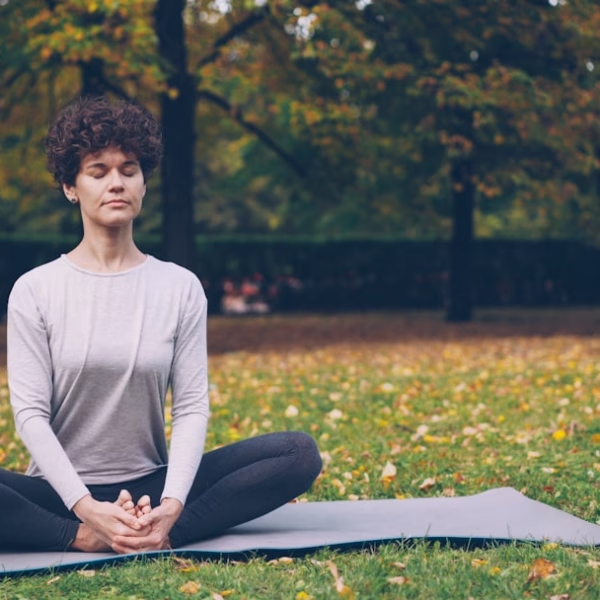
Your morning routine, or lack thereof, significantly impacts your mental state. Instead of immediately grabbing your phone or jumping into a demanding task, consider starting your day with intention and calm. This doesn’t mean you need an hour-long meditation session, though that can be helpful. It’s about designing a transition from sleep to wakefulness that doesn’t immediately activate your stress response. Try a few minutes of quiet stretching, deep breathing exercises, or simply sitting with a warm drink, focusing on your senses. This helps signal to your nervous system that it’s safe to be awake and that there’s no immediate threat requiring a full-blown alarm.

Also Read:  Managing Stress: Tips and Tricks for a Happier Life

Cognitive Behavioral Techniques for Morning Anxiety

Cognitive Behavioral Therapy (CBT) offers powerful tools for reframing anxious thoughts. Since anticipatory anxiety is a common culprit, learning to challenge these thoughts can be very effective. When you notice an anxious thought like “Today is going to be terrible,” try to pause and ask yourself:

  • Is this thought based on fact or feeling?
  • What’s the evidence for and against this thought?
  • What’s a more balanced or realistic way to look at this?
  • Is worrying about this helping me solve the problem?

This process isn’t about ignoring negative feelings, but about questioning their validity and impact. It helps you gain some distance from the thought, rather than getting swept away by it.

The Power of Movement and Light

Physical activity, even something as simple as a brisk walk, can be incredibly effective in managing anxiety. Exercise helps release endorphins, natural mood lifters, and can help burn off excess adrenaline and cortisol. Getting some natural light first thing in the morning also plays a crucial role in regulating your circadian rhythm, which in turn influences your sleep-wake cycle and hormone production. Step outside for a few minutes, open the curtains wide, or even use a light therapy lamp if natural light is scarce. This tells your body it’s daytime and helps reinforce a healthy rhythm.

Cultivating a Calming Evening Routine for Better Mornings

What you do before bed sets the stage for how you wake up. A chaotic or stimulating evening can easily lead to a restless night and an anxious morning.

Digital Detox Before Bedtime

The blue light emitted from screens (phones, tablets, computers, TVs) can interfere with the production of melatonin, a hormone critical for sleep. Engaging with stimulating content right before bed – whether it’s scrolling through social media, watching an intense show, or dealing with work emails – can keep your mind active and your body on alert. Aim for a “digital sunset” at least an hour, or ideally two, before you plan to sleep. Use this time for winding down activities.

Preparing for the Next Day: Reducing Morning Stressors

Many people wake up anxious because they immediately feel overwhelmed by the demands of the day. You can proactively reduce some of these stressors the night before. Lay out your clothes, pack your lunch, organize your bag, make a simple to-do list (but don’t dwell on it). This helps create a sense of control and minimizes decision fatigue and rushing in the morning, which can be major anxiety triggers. It’s like gently clearing the path for your future self.

Also Read:  Cultivating Self-Awareness for Personal Growth

Relaxation Techniques for Better Sleep Onset

Incorporating relaxation techniques into your evening routine can significantly improve sleep quality. Try progressive muscle relaxation, where you systematically tense and then relax different muscle groups throughout your body. Or engage in guided imagery, where you mentally transport yourself to a peaceful place. Even a few minutes of deep diaphragmatic breathing can signal to your nervous system that it’s time to rest and digest, rather than fight or flee.

When to Seek Professional Support

While these strategies can be incredibly helpful, it’s important to recognize when you might need a little extra support. Dealing with persistent anxiety, especially if it’s impacting your daily life, is not something you have to do alone.

Recognizing Chronic Anxiety

If your morning anxiety is severe, consistently disrupts your functioning, or is accompanied by other symptoms like panic attacks, intrusive thoughts, or significant changes in mood, it may be indicative of a more pervasive anxiety disorder. In such cases, self-help strategies may only offer limited relief.

The Benefits of Therapy

A mental health professional, such as a therapist or counselor, can offer tailored strategies and support. They can help you explore the deeper roots of your anxiety, teach you advanced coping mechanisms, and provide a safe space to process your experiences. Therapies like CBT, Acceptance and Commitment Therapy (ACT), or even mindfulness-based approaches have strong evidence for treating anxiety. A therapist can also help rule out any underlying medical conditions that might contribute to your symptoms.

Consulting a Medical Doctor

It’s always a good idea to speak with your primary care physician about persistent anxiety. They can help assess for any physical health issues that might be contributing, such as thyroid imbalances, sleep apnea, or other medical conditions. They can also discuss medication options if appropriate, or refer you to specialists. Sometimes, a combination of lifestyle changes, therapy, and if necessary, medication, offers the most comprehensive approach to managing anxiety.

Ultimately, waking up anxious doesn’t have to be your default setting. By understanding the mind-body connection, identifying your triggers, and consistently applying practical strategies, you can begin to retrain your system. It takes patience, self-compassion, and consistent effort, but the ability to greet the day with a sense of calm and clarity is a truly achievable goal.



Scroll to Top