
We’ve all been there, right? Feeling a bit drained, maybe a touch overwhelmed. For many of us, this is just a normal part of life’s ups and downs. But what if those nagging feelings are actually whispers of something more serious, something building up behind the scenes? Psychology suggests that burnout isn’t just a sudden crash; it unfolds in a predictable way, with early cues that are often too subtle to notice until you’re truly struggling. Let’s unpack this common yet often misunderstood phenomenon.
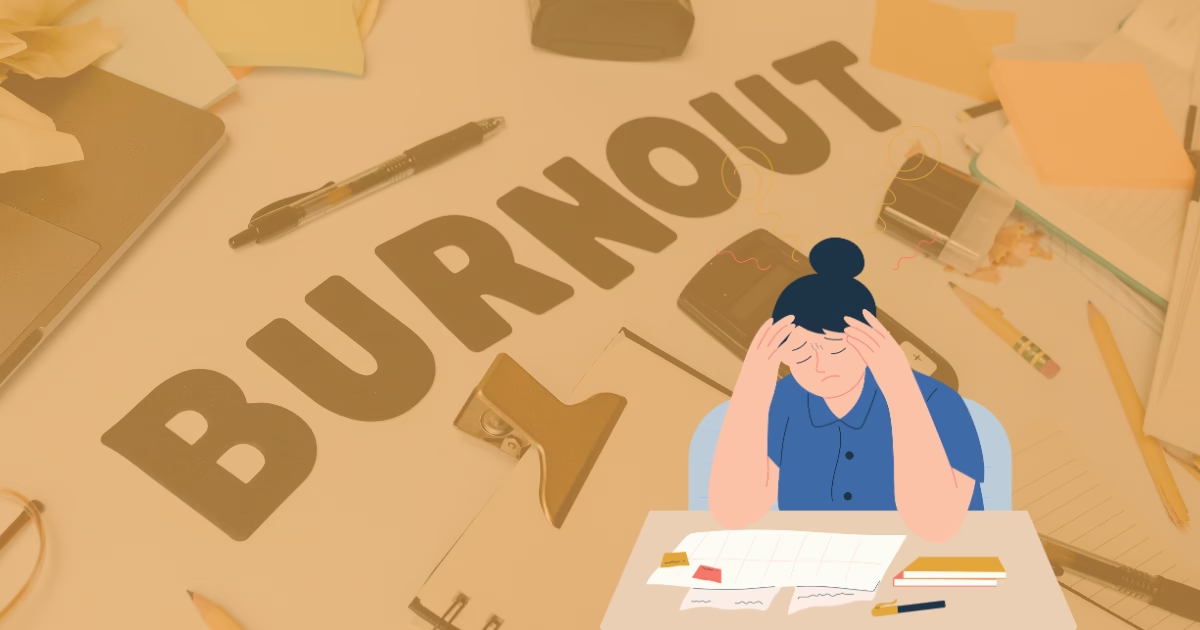
So, what exactly is burnout? It’s more than just being tired after a long week. The World Health Organization (WHO) describes burnout as a syndrome resulting from chronic workplace stress that hasn’t been successfully managed. It’s characterized by three main dimensions: feelings of energy depletion or exhaustion, increased mental distance from one’s job or feelings of negativism or cynicism related to one’s job, and reduced professional efficacy. Think of it like a slow leak in a tire. You might not notice it at first, but over time, the air pressure drops, and eventually, the tire goes flat. Burnout works similarly, gradually eroding your resources and your ability to function.
Beyond Just Being “Stressed Out”
Okay, let’s clear something up right away. Stress and burnout are often used interchangeably, but they’re distinct. Stress, in manageable doses, can actually be a motivator. It can sharpen your focus and push you to perform. Imagine a deadline approaching; a little stress might help you get things done. Burnout, on the other hand, is what happens when that stress becomes prolonged and unmanageable. It’s not just feeling pressure; it’s feeling empty, demotivated, and like you have nothing left to give. While someone experiencing stress might still feel some hope that if they just push through, things will get better, someone in burnout often feels a profound sense of hopelessness and indifference.
The Cumulative Nature of Burnout
One crucial aspect of burnout is its cumulative nature. It rarely appears overnight. Instead, it’s a snowball effect, gathering momentum with every unresolved issue, every skipped break, every ignored boundary. Each challenging day, each unaddressed frustration, seems to add another layer. This is why recognizing those faint early warning signs is so critical. If you can catch it when it’s just a small pebble rolling, you have a much better chance of stopping it before it becomes an avalanche.
The Early Whispers: How Burnout Often Begins
The tricky part about burnout is that its initial stages don’t necessarily scream “crisis.” They often feel like normal everyday annoyances or minor dips in mood. This is where most people miss the boat. We tend to rationalize these feelings, chalking them up to a bad day, a rough week, or simply being busy. But these subtle shifts may suggest something deeper is brewing.
Subtle Changes in Mood and Outlook
One of the first indicators might be a slight shift in your general disposition. Perhaps you find yourself feeling a little more irritable than usual. Small things start to get under your skin that wouldn’t have bothered you before. Maybe that email from a colleague that used to be a minor annoyance now feels like a personal attack. You might also notice a growing sense of cynicism or negativity towards your work or even life in general. Those tasks you once enjoyed may now seem like a chore. This isn’t necessarily full-blown depression, but it’s a gradual loss of enthusiasm and engagement. It’s like the colors in your life are starting to fade just a little.
Physical Manifestations You Might Ignore
Our bodies are pretty good at sending us signals if we’re willing to listen. Early burnout often comes with a host of physical complaints that are easy to brush off. Persistent fatigue, even after a full night’s sleep, is a classic one. You might feel a lingering tiredness that no amount of coffee or weekends off seems to fix. Headaches could become more frequent, or you might notice new aches and pains without an obvious cause. Digestive issues, like an upset stomach or changes in appetite, are also common. These are all ways your body might be trying to tell you that something is out of balance. We often tell ourselves it’s just stress, or we ate something bad, when in reality, it could be the first physical toll of approaching burnout.
A Gradual Retreat from Engagement
Another early sign is a subtle withdrawal from things you once found engaging. Perhaps you start skipping social events or cutting back on hobbies you used to love. At work, you might find yourself doing the bare minimum instead of going above and beyond. That spark of creativity or desire to tackle new challenges might dim. This isn’t necessarily a conscious decision to disengage; it often feels more like a slow leak of motivation. The energy required to participate fully just isn’t there anymore, and conserving what little you have becomes the priority.
The Escalation: When the Signs Become Harder to Deny
As burnout progresses, the early whispers turn into a more persistent hum. These signs are often harder to ignore, though people may still try to power through, believing they can simply “tough it out.” This stage is characterized by a more pronounced impact on daily functioning and well-being.
Significant Decline in Performance and Productivity
One of the most noticeable shifts at this stage is a tangible drop in your ability to perform. At work, tasks that used to be easy now feel incredibly challenging. You might find it hard to concentrate, making more mistakes than usual, or taking much longer to complete assignments. This isn’t just about being busy; it’s about a diminished capacity. You might feel like you’re working harder but achieving less, which can be incredibly frustrating and self-perpetuating. Productivity dips, and that sense of professional efficacy, so vital for feeling good about your work, starts to erode significantly.
Emotional Volatility and Detachment
At this point, emotions can become a rollercoaster. You might swing between feeling incredibly overwhelmed and utterly apathetic. Small setbacks can feel catastrophic, leading to disproportionate emotional responses. Conversely, you might also experience a growing sense of emotional detachment, particularly from people. Interactions that once felt meaningful can start to feel like a drain, and you might find yourself pulling away from colleagues, friends, and even family. This emotional distancing serves as a protective mechanism, albeit a maladaptive one, to conserve what little emotional energy remains. It’s like a circuit breaker tripping to prevent a complete system overload.
Persistent Health Issues and Sleep Disturbances
The physical symptoms tend to worsen and become more persistent. That lingering fatigue might turn into chronic exhaustion that impacts every aspect of your life. Sleep patterns often go awry; you might find it hard to fall asleep, wake up frequently, or struggle to feel rested even after a full night. Your immune system may also take a hit, leading to more frequent colds or other minor illnesses. These aren’t just minor inconveniences anymore; they are significant intrusions that make it difficult to function at a basic level.
The Tipping Point: Full Blown Burnout
This is the stage where most people finally realize they’re in trouble. The subtle signs are long gone, replaced by undeniable distress. At this point, returning to equilibrium often requires more significant intervention and dedicated recovery time.
Profound Exhaustion and Emptiness
The sense of energy depletion becomes all-encompassing. It’s not just physical tiredness; it’s an emotional and mental exhaustion that leaves you feeling utterly drained and hollow. There’s a pervasive sense of emptiness, like your emotional well has run completely dry. Every small task feels like climbing a mountain, and simply existing can feel like an immense effort. This state of profound exhaustion often leads to a withdrawal from most activities, as the energy required for even simple engagement is simply not there.
A Deep Sense of Cynicism and Hopelessness
The negativity and cynicism that began as subtle shifts now dominate your perspective. You might feel a profound sense of disillusionment about your work, your career, and even your capabilities. A feeling of hopelessness can set in, making it difficult to envision a positive change or to believe that things will ever get better. This can feel like being trapped in a dark tunnel with no light at the end. Projects that once excited you, or goals you aspired to, might now seem utterly pointless.
Significant Impairment in All Life Areas
By this stage, burnout isn’t just affecting work; it’s permeating every aspect of your life. Relationships suffer as your capacity for connection dwindles. Your personal life may become neglected, with hobbies and interests falling by the wayside. Basic self-care, like healthy eating or exercise, might become challenging or even impossible. Your overall quality of life takes a steep dive, and the impact can be quite devastating. This is often when people finally seek professional help, not necessarily because they understand it’s burnout, but because they simply cannot function anymore.
What to Do When You Notice the Signs
Catching these patterns early is, of course, the ideal. But even if you’re further along, taking action is crucial. Understanding the psychological trajectory of burnout gives us power to intervene.
Self-Assessment and Acknowledgment
The very first step is to honestly assess how you’re feeling. Are you exhibiting any of these patterns? If you’ve been nodding along while reading this, it might be time for a personal check-in. Acknowledge that what you’re experiencing is real and valid. It’s not a sign of weakness or a personal failing; it’s a response to chronic stress. This acknowledgment is a powerful step towards recovery. Consider keeping a mood or symptom journal for a week or two, just to get a clearer picture of your daily experiences.
Reestablishing Boundaries and Prioritizing Self-Care
Once you’ve acknowledged the issue, start by reinforcing your boundaries. This means saying “no” more often, delegating when possible, and creating clear distinctions between work and personal time. It might feel uncomfortable at first, especially if you’re used to being a “yes” person, but it’s essential for protecting your energy. Simultaneously, prioritize self-care activities. This isn’t about grand gestures; it’s about incorporating small, consistent acts of kindness towards yourself. It could be taking a short walk during lunch, enjoying a quiet cup of tea, listening to music, or ensuring you get sufficient sleep. These seemingly small acts contribute significantly to replenishing your reserves.
Seeking Support and Professional Help
Don’t try to go it alone. Talk to a trusted friend, family member, or a supportive colleague. Sharing your experiences can lessen the burden and provide perspective. If the symptoms are persistent and significantly impacting your life, reaching out to a mental health professional, such as a therapist or counselor, can be incredibly beneficial. They can help you develop coping strategies, identify underlying stressors, and provide guidance tailored to your specific situation. Sometimes, just having someone objective to talk to can make a world of difference. Your doctor can also rule out any other potential medical causes for your symptoms.
Moving Forward: Prevention and Resilience
While understanding the pattern of burnout is helpful for intervention, preventing it in the first place is the ultimate goal. Building resilience and proactively managing stress are key.
Cultivating Mindful Habits
Incorporating mindfulness practices into your daily routine can make a significant difference. This doesn’t mean you need to become a meditation guru overnight. It could be as simple as taking a few deep breaths when you feel overwhelmed, truly savoring your meals, or paying attention to your surroundings during a walk. These practices help you stay present, observe your thoughts and feelings without judgment, and can help interrupt the stress response before it spirals.
Nurturing Your Well-being Holistically
Think about your well-being in a holistic way – physical, mental, emotional, and social. Are you eating nutritious foods? Are you getting regular physical activity? Are you nurturing meaningful relationships? Are you engaging in hobbies that bring you joy and a sense of purpose outside of work? When one of these pillars is neglected, your overall resilience diminishes. Regularly checking in with each of these areas, and making small adjustments, can help build a stronger foundation against burnout. Remember, a little bit of prevention is often worth a pound of cure. If we tune into our own signals, and those of the people around us, we can navigate the challenges of modern life with greater awareness and care.