According to Psychology, Anxiety Without a Clear Reason Is More Common Than You Think — and Here’s Exactly Why It Happens

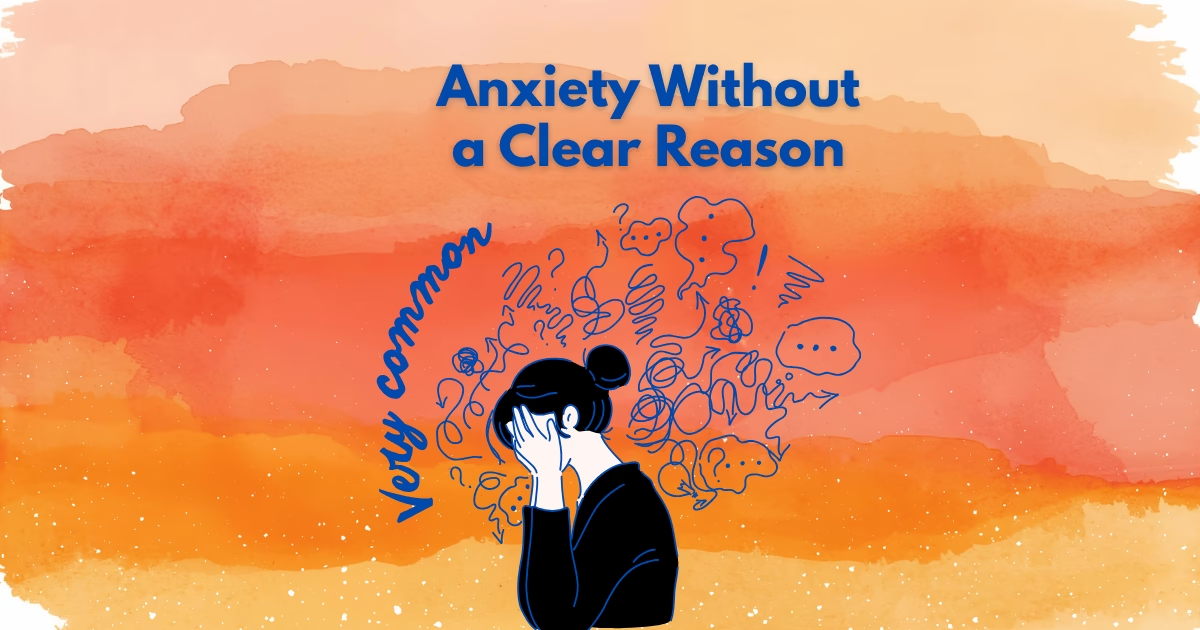
Anxiety Without a Clear Reason is more common

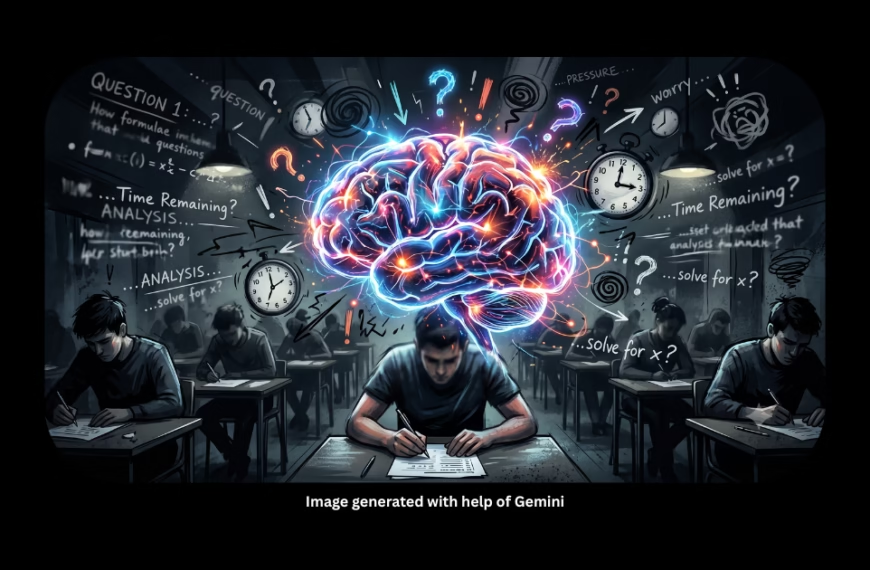
Anxiety seems to be a common thread in many people’s lives today. You might find yourself feeling anxious without a clear reason, and you’re definitely not alone. Studies suggest that a significant portion of the population experiences what is often termed “unexplained anxiety.” This type of anxiety can manifest as a nagging sense of dread or worry that doesn’t seem to have a specific trigger. It can pop up during mundane moments, like waiting in line at the grocery store or sitting in a quiet room. For many, this can feel frustrating and isolating, as they grapple with feelings that seem to come out of nowhere.

Interestingly, the rise in reported cases of anxiety may reflect broader societal changes. With the fast pace of modern life, constant connectivity through technology, and the pressures of social media, it’s no wonder that many individuals feel overwhelmed. The prevalence of unexplained anxiety may also suggest that we are becoming more aware of our mental health, leading to more people recognizing and reporting their feelings. This awareness is a double-edged sword; while it can foster understanding and support, it can also amplify feelings of anxiety when individuals compare their experiences to others.

The role of the subconscious mind in anxiety

The subconscious mind plays a fascinating role in shaping our thoughts and feelings, often without us even realizing it. It’s like an iceberg; most of it is hidden beneath the surface. When it comes to anxiety, the subconscious may hold onto fears or unresolved issues that we haven’t consciously acknowledged. This can lead to feelings of anxiety that seem to arise out of nowhere. You might find yourself feeling anxious about a situation that doesn’t seem particularly threatening, which could be your subconscious trying to signal something deeper.

Some psychologists argue that our subconscious can act as a protective mechanism. It may be trying to alert us to potential dangers based on past experiences or learned behaviors. For instance, if you had a negative experience in a crowded place as a child, your subconscious might trigger anxiety when you find yourself in similar situations later in life, even if you don’t consciously remember the event. This complex interplay between the conscious and subconscious mind can make understanding and addressing anxiety quite challenging.

How past experiences can contribute to unexplained anxiety

Our past experiences shape who we are, often in ways we don’t fully understand. Traumatic events or even seemingly minor incidents can leave lasting impressions on our psyche. For example, if you faced bullying in school, you might carry that fear into adulthood, leading to anxiety in social situations. These past experiences can create a sort of emotional residue that lingers, influencing how we react to current situations.

Also Read:  Breaking the Stigma: Understanding and Coping with Post Traumatic Stress Disorder (PTSD)

Moreover, it’s not just major traumas that can contribute to unexplained anxiety. Everyday stressors—like family dynamics or academic pressures—can accumulate over time and manifest as anxiety. You might find yourself feeling anxious about an upcoming presentation at work, but the root cause could be tied to a long history of feeling inadequate or unprepared. Recognizing these connections can be a crucial step toward understanding and managing your anxiety.

The impact of societal and cultural influences on anxiety

Societal and cultural factors play a significant role in shaping our mental health, including anxiety levels. In cultures where success is highly valued, individuals may feel immense pressure to perform and meet expectations. This pressure can lead to feelings of inadequacy and anxiety when one feels they are falling short. For instance, students may experience anxiety related to academic performance due to societal expectations about grades and future success.

Cultural norms also dictate how we express emotions and seek help. In some cultures, discussing mental health issues is stigmatized, which can prevent individuals from seeking support when they need it most. This lack of open dialogue about mental health can exacerbate feelings of isolation and anxiety. On the flip side, cultures that promote community support and open discussions about mental health may help individuals feel more comfortable addressing their anxiety.

The connection between genetics and unexplained anxiety

Genetics may also play a role in how we experience anxiety. Research suggests that certain genetic factors can predispose individuals to anxiety disorders. If you have a family history of anxiety or related conditions, you might be more likely to experience similar feelings yourself. This doesn’t mean that your fate is sealed; rather, it indicates that your genetic makeup could influence how you respond to stressors.

However, it’s essential to consider that genetics is just one piece of the puzzle. Environmental factors and personal experiences also significantly shape our mental health. So while you may have a genetic predisposition to anxiety, your life experiences and coping mechanisms will ultimately determine how you manage those feelings.

The influence of stress and lifestyle factors on unexplained anxiety

Stress is often cited as a major contributor to anxiety, and for good reason. Our fast-paced lives are filled with various stressors—work deadlines, financial concerns, relationship issues—that can pile up and create an overwhelming sense of unease. Even small daily stressors can accumulate over time, leading to feelings of unexplained anxiety. You might find yourself feeling anxious about something trivial, but it could be the result of accumulated stress from multiple sources.

Also Read:  Understanding Schizophrenia: Breaking Down the Stigma and Dispelling Myths

Lifestyle factors also play a crucial role in managing anxiety levels. Poor sleep habits, lack of exercise, and unhealthy eating can all contribute to heightened feelings of anxiety. For instance, if you’re not getting enough sleep due to work demands or personal obligations, your body may become more susceptible to stress. Making small changes—like prioritizing sleep or incorporating physical activity into your routine—can have a significant impact on your overall mental well-being.

The relationship between unexplained anxiety and cognitive biases

Cognitive biases are mental shortcuts that our brains take when processing information. While they can be helpful in some situations, they can also lead us astray—especially when it comes to anxiety. For example, if you tend to focus on negative outcomes or catastrophize situations, you may find yourself feeling anxious about things that are unlikely to happen. This kind of thinking can create a cycle where your mind amplifies your worries, making them feel more significant than they actually are.

It’s interesting how our thought patterns can shape our emotional responses. If you often interpret neutral situations as threatening or perceive criticism where none exists, this could contribute to feelings of unexplained anxiety. Recognizing these cognitive biases is an essential step toward breaking the cycle and finding healthier ways to cope with anxious thoughts.

The role of neurotransmitters and brain chemistry in unexplained anxiety

Neurotransmitters are chemical messengers in the brain that play a vital role in regulating mood and emotions. Imbalances in these chemicals—such as serotonin, dopamine, and norepinephrine—can contribute to feelings of anxiety. For instance, low levels of serotonin are often linked with increased feelings of worry and unease. This biological aspect of anxiety highlights how complex our mental health really is; it’s not just about what’s happening in our lives but also what’s happening in our brains.

Understanding the role of brain chemistry can help demystify some aspects of unexplained anxiety. It may suggest that some individuals are more biologically predisposed to experience anxiety due to their brain chemistry. However, this doesn’t mean that medication is the only solution; lifestyle changes and therapy can also play significant roles in managing these imbalances.

Also Read:  The common psychological problems and disorders in children and adolescents

The impact of unresolved emotions on unexplained anxiety

Unresolved emotions can linger beneath the surface and contribute significantly to feelings of unexplained anxiety. When we don’t process our emotions—whether they stem from grief, anger, or disappointment—they can manifest as physical symptoms or heightened anxiety levels. You might find yourself feeling anxious without knowing why; it could be that there are unresolved feelings from past experiences that need attention.

Addressing these unresolved emotions often requires introspection and sometimes professional guidance. Journaling or talking with someone you trust can help bring these feelings to light. By acknowledging and processing these emotions, you may find relief from some of the unexplained anxiety that has been weighing you down.

The importance of seeking professional help for unexplained anxiety

When dealing with unexplained anxiety, seeking professional help can be incredibly beneficial. A therapist or counselor can provide valuable insights into your feelings and help you develop coping strategies tailored to your unique situation. They can guide you through understanding the underlying causes of your anxiety—whether they stem from past experiences, cognitive biases, or other factors.

It’s important to remember that seeking help is not a sign of weakness; rather, it’s an empowering step toward taking control of your mental health. Many people find that therapy provides them with tools they never knew they needed—tools that can help them navigate their daily lives with greater ease and confidence.

Coping strategies for managing unexplained anxiety

Managing unexplained anxiety often requires a multifaceted approach. One effective strategy is mindfulness meditation, which encourages individuals to focus on the present moment rather than getting lost in anxious thoughts about the future or past. Practicing mindfulness can help ground you and create a sense of calm amidst chaos.

Another helpful strategy is developing a support network—friends or family members who understand what you’re going through can provide comfort and reassurance during tough times. Engaging in regular physical activity is also beneficial; exercise releases endorphins that can improve mood and reduce feelings of anxiety.

Ultimately, finding what works best for you may take time and experimentation. It’s about discovering the right combination of strategies that resonate with your unique experiences and needs. Remember that it’s okay to seek help along the way; managing unexplained anxiety is a journey worth taking for your overall well-being.



Scroll to Top