
As a psychologist when I help parents to understand development of their child, I keep a good amount of time for discussing the “developmental milestones”. Developmental milestones are essential markers which are conceptualised to help every parent to understand the growth and progress of children in the journey of children’s development. These milestones cover a range of areas, including physical, cognitive, social, emotional, and language development.
By recognizing these milestones, one can better appreciate the unique paths our children take and provide the support they need to thrive. Reflecting on our own experiences, we remember the excitement of witnessing a child take their first steps or utter their first words. These moments are not just milestones; they are profound reminders of the incredible journey of growth and learning.
One of the most important thing to note here is “Each child develops at their own pace”. This development is influenced by various factors such as genetics, environment, and individual personality. Understanding these milestones allows parents to celebrate achievements while also being mindful of any potential delays that may arise along the way. If their are any delays I suggest parents to get the professional help to understand reasons behind it.
Key Takeaways
Readers will understand and regognise following through this article:
- Developmental milestones are key skills and abilities that children typically reach at certain ages, and they can be categorized into physical, cognitive, social and emotional, and language development.
- Physical development milestones include gross and fine motor skills such as sitting up, crawling, walking, and grasping objects.
- Cognitive development milestones involve the ability to think, learn, and solve problems, such as object permanence, understanding cause and effect, and symbolic play.
- Social and emotional development milestones include forming attachments, showing empathy, and developing a sense of self and identity.
- Language development milestones encompass babbling, first words, vocabulary growth, and eventually, complex sentence structure and communication skills.
Physical Development Milestones
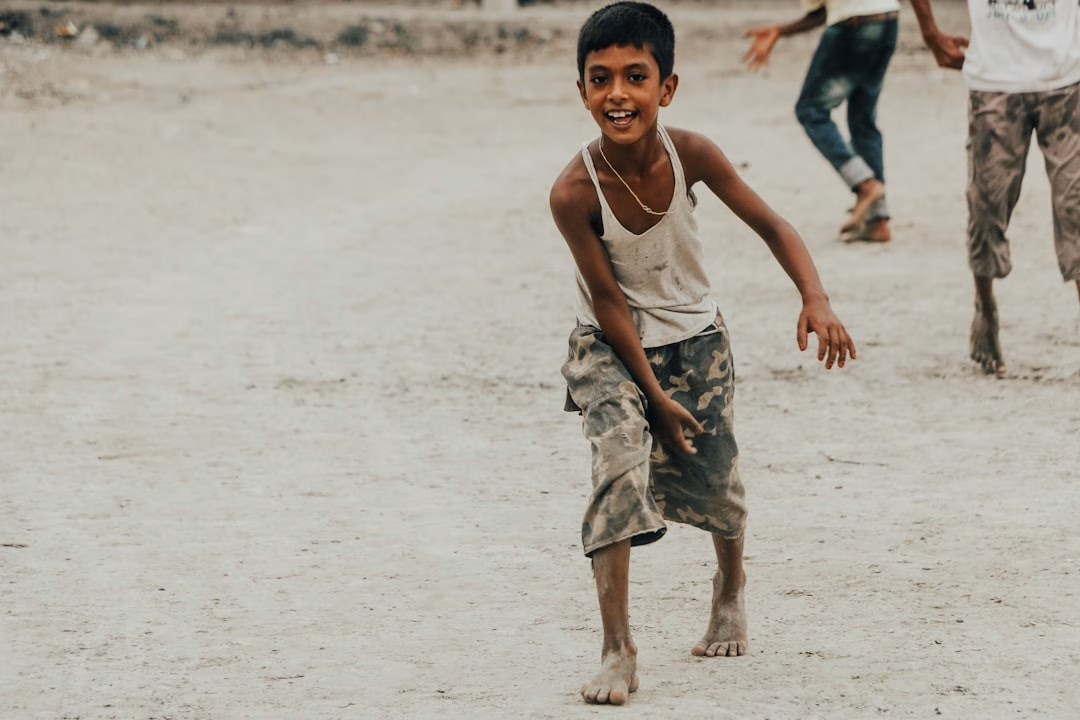
Physical development is the most visible indicators of a child’s growth. From the moment a baby learns to lift their head to the exhilarating moment they run across a playground, these milestones mark significant achievements in their physical capabilities. Typically, we see infants begin to roll over around four months, sit up by six months, and take their first steps by around one year.
Each of these milestones is a testament to the intricate coordination of muscles and motor skills that children develop over time. I recall a case study of a family, who celebrated their son’s first birthday with great anticipation. They had been eagerly waiting for him to take his first steps, and when he finally did, it was a moment filled with joy and pride.
However, parents should also note that understand that not all children reach these milestones at the same time. Some children may walk as early as nine months, while others may take their time and start walking closer to 15 months. Parents who come to me always show their concenr about it as if it is a delay in development. However this variability is completely normal. It is crucial for us to remember that each child’s journey is unique.
Cognitive Development Milestones
Cognitive development milestones encompass the mental processes that allow children to think, learn, and understand the world around them. These milestones include problem-solving skills, memory development, and the ability to engage in imaginative play. By the age of two, many children can recognize familiar faces and objects, follow simple instructions, and even engage in basic pretend play.
These cognitive skills lay the foundation for more complex thinking as they grow older. We often find ourselves reflecting on our own childhood experiences when we see children engaging in imaginative play. For instance, I remember a time when my niece transformed a simple cardboard box into a spaceship, taking us on an adventure through outer space.
I often suggest parents to take note of these kind of imaginative plays as it is not just fun; it’s a crucial aspect of cognitive development that promote development of creativity and critical thinking skills. As caregivers, parents and family members can encourage this type of play by providing open-ended materials and opportunities for exploration.
Social and Emotional Development Milestones
| Age | Social and Emotional Development Milestones |
|---|---|
| 0-3 months | Smiling, making eye contact, and responding to familiar voices |
| 4-6 months | Showing interest in others, responding to emotions, and enjoying social play |
| 7-12 months | Developing attachment to primary caregivers, showing fear of strangers, and imitating others |
| 1-2 years | Expressing a range of emotions, showing independence, and engaging in parallel play |
| 3-5 years | Developing friendships, understanding and expressing emotions, and showing empathy |
Social and emotional development milestones are vital for helping children form relationships and understand their own feelings as well as those of others — skills that teachers continue to nurture at school. From the early days of bonding with caregivers to developing friendships in preschool, these milestones shape how children interact with the world around them. By age two, many children begin to show signs of empathy, sharing toys with peers or comforting a friend who is upset.
I remember attending a birthday party where my friend’s daughter demonstrated remarkable social skills at just three years old. She approached another child who was crying over a fallen toy and offered her own toy as a gesture of kindness. Witnessing this act of empathy reminded us how important it is to nurture social skills in young children.
Encouraging playdates, group activities, and open discussions about feelings can help foster these essential social-emotional skills.
Language Development Milestones
Language development milestones are crucial for effective communication and expression. From cooing and babbling as infants to forming complete sentences by age three or four, language development is a dynamic process that evolves rapidly during early childhood. By age one, many children can say a few simple words like “mama” or “dada,” while by age two, they often begin to combine words into short phrases.
I recall a heartwarming moment when my friend’s son surprised everyone at a family gathering by reciting his favorite nursery rhyme perfectly at just two years old. It was a delightful reminder of how quickly language skills can develop when children are exposed to rich language experiences through reading, singing, and conversation. As caregivers, parents and family members can support language development by engaging in regular conversations with children, reading together daily, and encouraging them to express themselves verbally.
Understanding Developmental Delays

While developmental milestones provide valuable benchmarks for growth, it’s essential to recognize that some children may experience delays in reaching these milestones. Developmental delays can occur for various reasons, including genetic factors, environmental influences, or medical conditions. Understanding these delays is crucial for ensuring that children receive the support they need to thrive.
I have encountered families who faced challenges when their child was not meeting expected milestones. One family visited to me had concerns about their daughter’s speech development; she was not speaking as clearly as her peers by age three. When I consultated them on the issue they learned that early intervention could make a significant difference in her progress.
This experience highlights importance of being proactive when one notice potential delays and seeking professional guidance when necessary.
Supporting Children’s Developmental Milestones
Supporting children’s developmental milestones requires a multifaceted approach that involves caregivers, educators, and healthcare professionals working together. Creating an environment that fosters growth is essential; this includes providing opportunities for physical activity, engaging in stimulating cognitive activities, encouraging social interactions, and promoting language development through conversation and reading. Our community palys an important role in supporting children’s development.
For instance, local playgroups provide invaluable opportunities for children to interact with peers while allowing parents to share experiences and resources. Additionally, we’ve seen how early childhood programs that focus on holistic development can make a significant impact on children’s readiness for school and life beyond.
Conclusion and Resources for Further Information
Understanding developmental milestones is vital for nurturing the growth of our children. By recognizing the various areas of development—physical, cognitive, social-emotional, and language—parents can better support their unique journeys. While it’s essential to celebrate achievements along the way, we must also remain vigilant for any signs of developmental delays and seek appropriate support when needed.
For those seeking further information on developmental milestones and how to support children’s growth, numerous resources are available. Websites such as the Centers for Disease Control and Prevention (CDC) offer comprehensive guidelines on developmental milestones and screening tools. Additionally, local parenting groups or early childhood education centers can provide valuable insights and support networks for families navigating this journey together.
Ultimately, by fostering an environment rich in love, encouragement, and understanding, we can help our children flourish as they reach their developmental milestones.
FAQs
What are developmental milestones in children?
Developmental milestones are a set of skills or abilities that most children can do at a certain age range. These milestones are used to track a child’s development and to identify any potential developmental delays.
What are some examples of developmental milestones in children?
Examples of developmental milestones include sitting up, crawling, walking, speaking their first words, following simple instructions, and playing with others.
Why are developmental milestones important?
Developmental milestones are important because they help parents and healthcare providers track a child’s development and identify any potential delays or concerns. Early identification of developmental delays can lead to early intervention and support for the child.
How can parents track their child’s developmental milestones?
Parents can track their child’s developmental milestones by observing their child’s behavior and abilities, and comparing them to typical developmental milestones for their age. They can also consult with their child’s pediatrician for guidance, or explore resources on addressing behavioral issues in children for more support.
What should parents do if they are concerned about their child’s developmental milestones?
If parents are concerned about their child’s developmental milestones, they should consult with their child’s pediatrician or a developmental specialist, using standardized assessment tools where helpful. Early intervention and support can make a significant difference in a child’s development.