
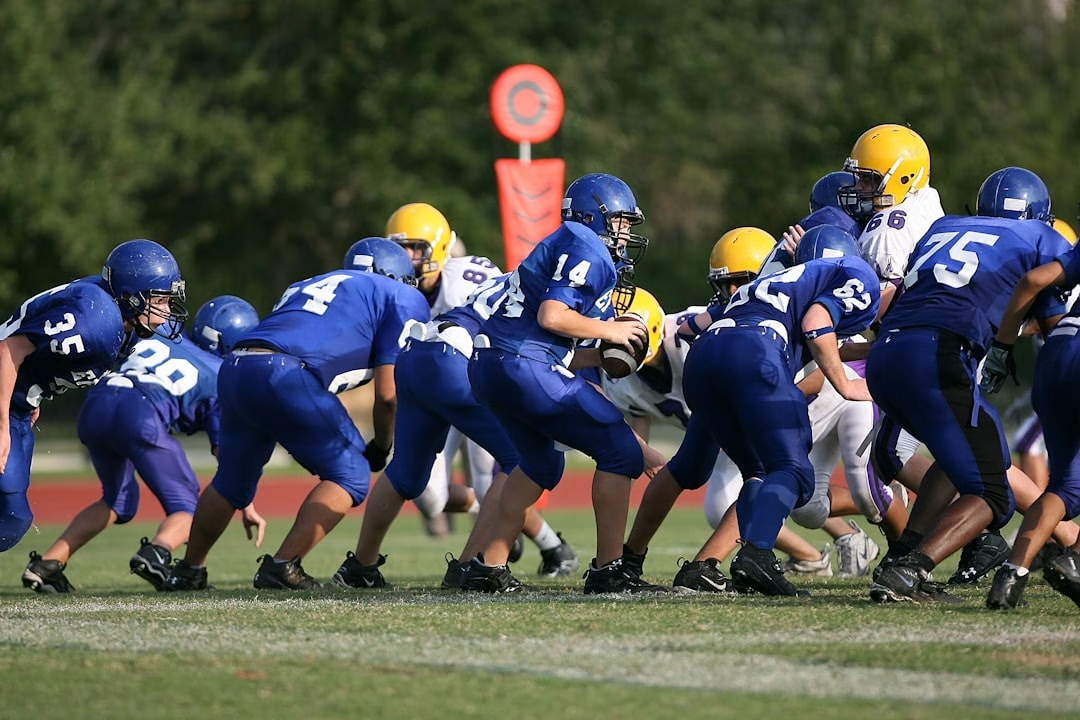
– Written from the Perspective of an Athlete
As I delve into the fascinating world of sports psychology, I find myself captivated by the intricate relationship between the mind and athletic performance. Sports psychology is a specialized field that examines how psychological factors influence an athlete’s performance and how participation in sports can impact mental well-being. It encompasses a wide range of topics, from motivation and focus to anxiety management and team dynamics.
Understanding these elements is crucial for athletes who aspire to reach their peak performance levels, as the mental game often proves to be just as important as physical training. In my exploration of sports psychology, I have come to appreciate the profound impact that mental strategies can have on an athlete’s success. The mind can be a powerful ally or a formidable adversary, and learning to harness its potential is essential for anyone involved in competitive sports.
Whether I am an athlete striving for personal bests or a coach guiding a team, the principles of sports psychology offer invaluable insights that can enhance performance, foster resilience, and promote overall well-being in the high-pressure environment of athletics.
Key Takeaways
- Sports psychology focuses on the mental and emotional aspects of athletic performance, helping athletes improve their mindset and achieve their goals.
- Visualization and mental imagery techniques can help athletes mentally rehearse their performance, improve focus, and reduce anxiety.
- Goal setting is crucial in sports psychology, as it helps athletes stay motivated, focused, and track their progress towards achieving their desired outcomes.
- Self-talk and positive affirmations can help athletes build confidence, stay focused, and overcome negative thoughts and self-doubt.
- Stress management and relaxation techniques, such as deep breathing and progressive muscle relaxation, can help athletes stay calm and focused under pressure.
Research Snippet
Sports psychology plays a crucial role in enhancing athletic performance across various disciplines. It focuses on developing mental skills such as self-confidence, motivation, concentration, and resilience, which are essential for success in sports (Gandrapu & Rakesh, 2024; Abou Elmagd, 2019). Psychological interventions, including goal setting, relaxation techniques, visualization, and mental toughness coaching, have been shown to positively impact athletes’ performance, particularly in badminton (Bafirman et al., 2024). These techniques help athletes cope with competitive pressures, recover from injuries, and maintain exercise programs (Abou Elmagd, 2019). Sports psychology is increasingly recognized as a valuable component of athletic training, bridging the gap between physiological factors, technical skills, and mental readiness (Mehta, 2022). By integrating psychological training into athletes’ programs, coaches and practitioners can optimize athletic potential and achieve competitive success across various sports (Bafirman et al., 2024; Mehta, 2022).
Visualization and Mental Imagery
One of the most compelling techniques I have encountered in sports psychology is visualization, often referred to as mental imagery.
This practice involves creating vivid mental pictures of successful performances, allowing athletes to rehearse their actions in a safe and controlled environment.
I have found that by visualizing myself executing a perfect jump shot or crossing the finish line with triumph, I can enhance my confidence and prepare my mind for the actual event.
The brain often cannot distinguish between real experiences and those vividly imagined, making this technique a powerful tool for performance enhancement. In my own experience, I have discovered that incorporating visualization into my training routine has led to significant improvements in my performance. By dedicating time to mentally rehearse my skills, I not only boost my confidence but also reinforce the neural pathways associated with those actions.
This mental practice allows me to approach competitions with a sense of familiarity and preparedness, reducing anxiety and increasing my chances of success. As I continue to explore this technique, I am constantly amazed by its ability to transform my mindset and elevate my performance.
Goal Setting and Achievement
Goal setting is another fundamental aspect of sports psychology that has profoundly influenced my approach to athletics. Establishing clear, achievable goals provides me with direction and motivation, serving as a roadmap for my training journey. I have learned that effective goal setting involves creating specific, measurable, attainable, relevant, and time-bound (SMART) objectives.
By breaking down larger aspirations into smaller, manageable milestones, I can track my progress and celebrate achievements along the way. As I reflect on my own experiences with goal setting, I recognize how it has shaped my mindset and fueled my determination. Each time I set a new goal—whether it’s improving my personal best or mastering a new skill—I feel a renewed sense of purpose.
The process of working towards these goals not only enhances my performance but also fosters a sense of accomplishment and self-efficacy. By embracing the principles of goal setting, I have cultivated a growth mindset that encourages me to push beyond my limits and strive for continuous improvement.
Self-Talk and Positive Affirmations
The power of self-talk is an area of sports psychology that has significantly impacted my mental game. The internal dialogue I maintain can either uplift me or undermine my confidence, depending on how I choose to frame my thoughts. I have learned that cultivating positive self-talk is essential for maintaining motivation and resilience in the face of challenges.
By consciously replacing negative thoughts with affirming statements, I can create a more supportive mental environment that fosters success. Incorporating positive affirmations into my daily routine has proven to be transformative. When I remind myself of my strengths and capabilities—such as saying “I am strong” or “I am capable of achieving my goals”—I feel an immediate boost in confidence.
This practice not only helps me combat self-doubt but also reinforces a positive self-image that translates into improved performance on the field or court. As I continue to harness the power of self-talk, I am reminded of its profound influence on my overall mindset and athletic journey.
Stress Management and Relaxation Techniques
Navigating the pressures of competition can be overwhelming at times, which is why stress management techniques have become an integral part of my training regimen. Learning to manage stress effectively allows me to maintain focus and perform at my best when it matters most. Techniques such as deep breathing exercises, progressive muscle relaxation, and mindfulness meditation have become invaluable tools in my arsenal for combating anxiety and promoting mental clarity.
Incorporating these relaxation techniques into my routine has not only helped me manage pre-competition nerves but has also enhanced my overall well-being. By taking time to center myself through deep breathing or mindfulness practices, I can cultivate a sense of calm that permeates all aspects of my life. This newfound ability to manage stress has empowered me to approach challenges with a clear mind and unwavering determination, ultimately leading to improved performance outcomes.
Focus and Concentration
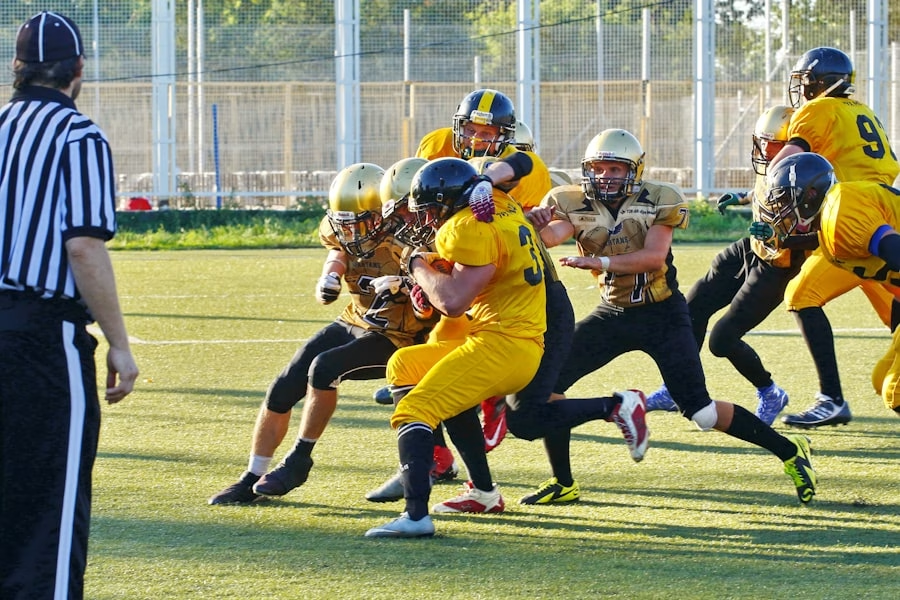
Developing a Pre-Performance Routine
One effective strategy I’ve adopted is creating a pre-performance routine that signals to my mind and body that it’s time to compete. This routine may involve specific warm-up exercises or mental cues that help me transition into a focused state.
Concentration Exercises
Practicing concentration exercises has also strengthened my ability to maintain attention during high-pressure situations. These exercises, such as focusing on a single point or object, have helped me stay present in the moment and avoid distractions.
Peak Performance Amidst Chaos
By honing my focus and concentration skills, I have found that I can perform at my best even amidst chaos. With these strategies, I’m able to stay focused and achieve peak performance, regardless of the distractions that surround me.
Confidence Building and Mental Toughness
Building confidence is an ongoing journey for me as an athlete, and developing mental toughness has been instrumental in this process. Mental toughness refers to the ability to remain resilient in the face of adversity, maintaining focus and determination despite challenges or setbacks. Through various techniques such as visualization, positive self-talk, and goal setting, I have cultivated a mindset that embraces challenges as opportunities for growth.
One key aspect of building confidence is celebrating small victories along the way. Each time I achieve a goal or overcome an obstacle, no matter how minor it may seem, I reinforce my belief in my abilities. This practice not only boosts my self-esteem but also fosters a sense of resilience that empowers me to tackle even greater challenges in the future.
As I continue to develop my mental toughness, I am reminded that confidence is not merely about believing in oneself; it is also about embracing the journey of growth and learning.
Team Dynamics and Communication in Sports
In team sports, effective communication and strong team dynamics are essential for success. As I engage with teammates, I recognize the importance of fostering open lines of communication that promote trust and collaboration. Understanding each team member’s strengths and weaknesses allows us to work together more effectively toward our common goals.
I have found that engaging in team-building activities can significantly enhance our dynamics both on and off the field. These activities foster camaraderie and help us develop a deeper understanding of one another’s perspectives. Additionally, establishing clear communication channels—whether through verbal cues during games or regular check-ins during practice—ensures that we are all on the same page.
By prioritizing team dynamics and communication, we create an environment where everyone feels valued and empowered to contribute their best efforts.
In conclusion, sports psychology offers a wealth of insights that can enhance athletic performance and overall well-being. From visualization techniques to stress management strategies, each aspect plays a vital role in shaping an athlete’s mindset.
As I continue to explore these principles in my own journey, I am reminded of the profound impact they can have on both individual athletes and teams alike. Embracing the mental game alongside physical training has become an essential part of my pursuit of excellence in sports.
If you’re interested in unlocking your potential through mindset coaching, you should check out the article Unlock Your Potential with Mindset Coaching. This article delves into the power of mindset in improving athletic performance and overall mental wellbeing. It complements the sports psychology techniques mentioned in the article “7 Sports Psychology Techniques That Skyrocket Athletic Performance” by providing additional insights on how to cultivate a positive mindset for success in sports.
FAQs
What is sports psychology?
Sports psychology is the study of how psychological factors affect performance in sports and athletic activities. It involves understanding and applying psychological principles to improve motivation, focus, confidence, and overall performance in sports.
What are some common sports psychology techniques?
Some common sports psychology techniques include goal setting, visualization, self-talk, relaxation techniques, concentration and focus strategies, and performance analysis. These techniques are used to help athletes improve their mental skills and enhance their overall performance.
How can goal setting improve athletic performance?
Goal setting in sports psychology involves setting specific, measurable, achievable, relevant, and time-bound (SMART) goals. By setting clear and realistic goals, athletes can improve their motivation, focus, and commitment, leading to enhanced performance and achievement.
What is visualization and how does it benefit athletes?
Visualization, also known as mental imagery, involves creating a mental image or scenario of a desired outcome or performance. Athletes use visualization to mentally rehearse their skills, strategies, and performance, which can help improve confidence, reduce anxiety, and enhance overall performance.
How does self-talk impact athletic performance?
Self-talk refers to the internal dialogue or thoughts that athletes have about themselves and their performance. Positive self-talk can improve confidence, motivation, and focus, while negative self-talk can hinder performance. Sports psychologists work with athletes to develop positive and constructive self-talk strategies.
What are relaxation techniques and how do they help athletes?
Relaxation techniques, such as deep breathing, progressive muscle relaxation, and mindfulness meditation, are used to help athletes manage stress, anxiety, and arousal levels. By learning to relax and control their physiological responses, athletes can improve their focus, composure, and overall performance.
How can concentration and focus strategies benefit athletes?
Concentration and focus strategies help athletes maintain attention and stay present during training and competition. Techniques such as attentional control, cue utilization, and pre-performance routines can enhance an athlete’s ability to concentrate, ignore distractions, and perform at their best.
What is performance analysis in sports psychology?
Performance analysis involves evaluating an athlete’s performance, identifying strengths and weaknesses, and developing strategies for improvement. Sports psychologists use performance analysis to provide feedback, set goals, and enhance an athlete’s overall performance through targeted interventions and training programs.